
Browse "People"
-
Article
King George III
King George III (born Prince George William Frederick on 4 June 1738 in London, United Kingdom; died 29 January 1820 in Windsor, United Kingdom), King of Great Britain and Ireland from 1760 to 1820 and elector and then King of Hanover. George III was the first monarch to reign over English and French Canada. He granted royal assent to the Royal Proclamation of 1763, Quebec Act of 1774 and Constitutional Act of 1791. Following the American Revolution, thousands of United Empire Loyalists, who were loyal to King George III, received Crown lands in Upper and Lower Canada and the Maritime provinces.
"https://d3d0lqu00lnqvz.cloudfront.net/Hanoverians/George_III_portrait.jpg" // resources/views/front/categories/view.blade.php
https://d3d0lqu00lnqvz.cloudfront.net/Hanoverians/George_III_portrait.jpg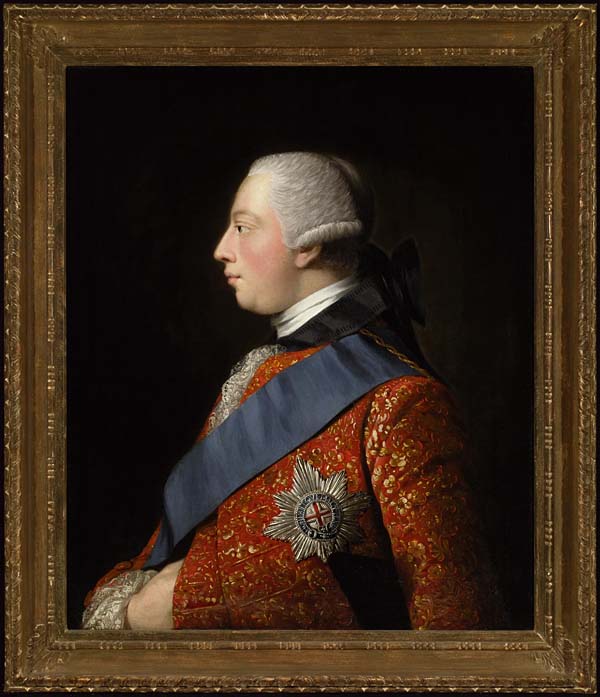
-
Article
King George IV
King George IV (born Prince George Augustus Frederick on 12 August 1762 in London, United Kingdom; died 26 June 1830 in Windsor, United Kingdom), Prince Regent of the United Kingdom from 1811 to 1820 and King of the United Kingdom and Hanover from 1820 to 1830. As Prince Regent, the future King George IV ratified the Treaty of Ghent that formally ended the War of 1812. As king, George IV issued a royal charter to King’s College in 1827, which eventually became the University of Toronto.
"https://d3d0lqu00lnqvz.cloudfront.net/GeorgeIV/A-voluptuary-under-the-horrors-of-digestion-King-George-IV.jpg" // resources/views/front/categories/view.blade.php
https://d3d0lqu00lnqvz.cloudfront.net/GeorgeIV/A-voluptuary-under-the-horrors-of-digestion-King-George-IV.jpg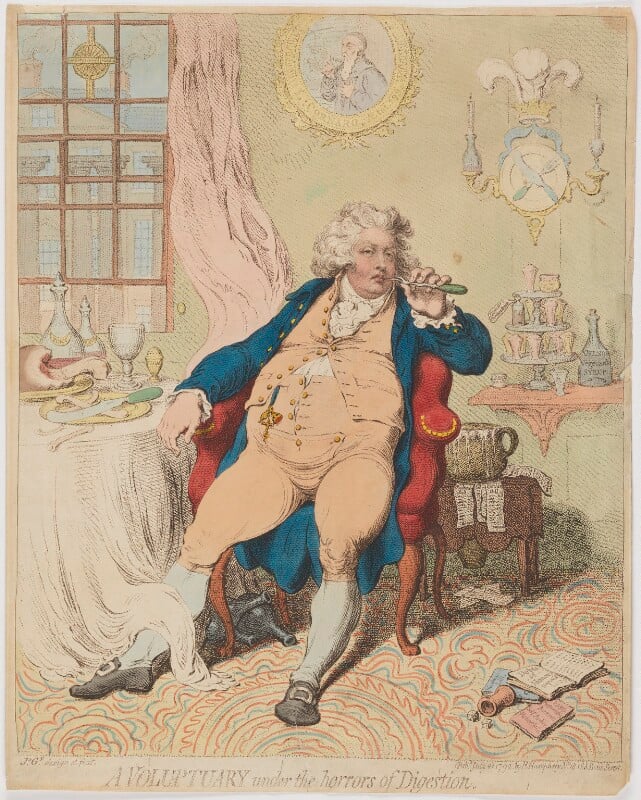
-
Article
King George V
King George V (George V, by the Grace of God, of Great Britain, Ireland and the British Dominions beyond the Seas, King, Defender of the Faith, Emperor of India) (born 3 June 1865 at Marlborough House, London, United Kingdom; died 20 January 1936 at Sandringham House, Norfolk, United Kingdom). The grandfather of Queen Elizabeth II, George V reigned during the First World War. His reign included key innovations that continue to shape the modern constitutional monarchy, including the Balfour Report of 1926 and the 1931 Statute of Westminster. George visited Canada three times, including a month-long tour across Canada by train in 1901.
"https://d3d0lqu00lnqvz.cloudfront.net/GeorgeV/GeorgeVandMary_1927.jpg" // resources/views/front/categories/view.blade.php
https://d3d0lqu00lnqvz.cloudfront.net/GeorgeV/GeorgeVandMary_1927.jpg
-
Article
King George VI
King George VI (George VI, by the Grace of God of Great Britain, Ireland and the British Dominions Beyond the Seas, King, Defender of the Faith, Emperor of India) (born 14 December 1895 at York Cottage, Sandringham, Norfolk, United Kingdom; died 6 February 1952 at Sandringham House, Norfolk). The father of Queen Elizabeth II (1926 to 2022), George VI reigned during the Second World War. He was the first reigning monarch to tour Canada (in 1939) and the first monarch to hold the official title of Head of the Commonwealth (from 1949).
"https://d3d0lqu00lnqvz.cloudfront.net/GeorgeVI/1939TourBanff_GeorgeVI-QueenLiz-King.jpg" // resources/views/front/categories/view.blade.php
https://d3d0lqu00lnqvz.cloudfront.net/GeorgeVI/1939TourBanff_GeorgeVI-QueenLiz-King.jpg
-
Article
King Olav V and Crown Princess Märtha of Norway
King Olav V of Norway (born Prince Alexander Christian Edward Frederik of Denmark on 2 July 1903 in Sandringham, United Kingdom; died 17 January 1991 in Oslo, Norway), King of Norway from 1957 to 1991; Crown Princess Märtha of Norway (born Princess Märtha Sofia Lovisa Dagmar Thyra of Sweden on 28 March 1901 in Stockholm, Sweden; died 5 April 1954 in Oslo, Norway). As Crown Prince and Crown Princess of Norway, Olav and Märtha travelled extensively in Canada and the United States on behalf of the Norwegian resistance during the Second World War, including the Little Norway air force bases in Toronto and Muskoka, Ontario, and Camp Norway in Lunenburg, Nova Scotia.
"https://d3d0lqu00lnqvz.cloudfront.net/Olav-Martha/Roosevelt-Norwegian-Juliana.jpg" // resources/views/front/categories/view.blade.php
https://d3d0lqu00lnqvz.cloudfront.net/Olav-Martha/Roosevelt-Norwegian-Juliana.jpg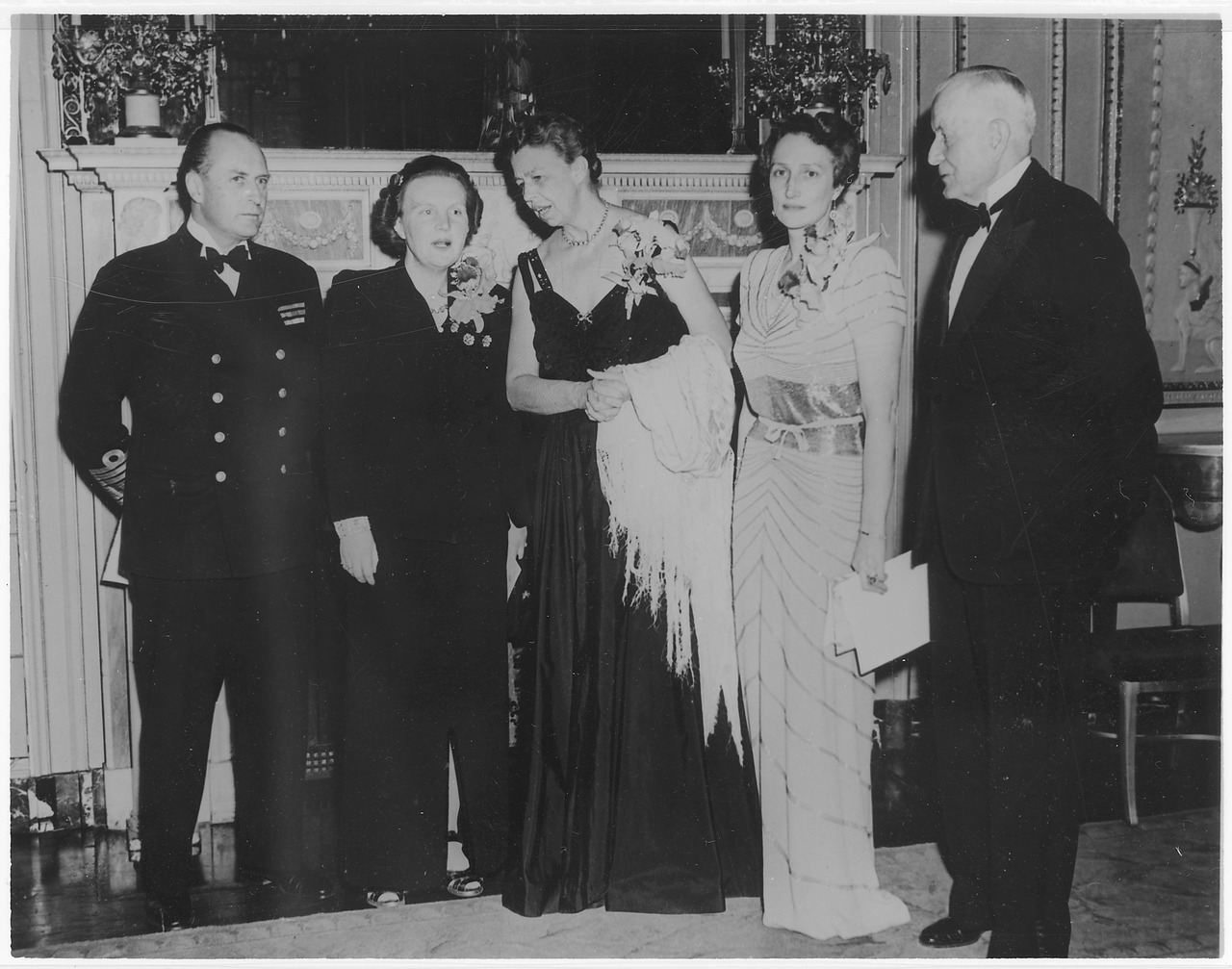
-
Article
King William IV
King William IV (born Prince William Henry on 21 August 1765 in London, United Kingdom; died 20 June 1837 in Berkshire, United Kingdom), King of the United Kingdom of Great Britain and Ireland and King of Hanover from 1830 until 1837. William IV was the first member of the royal family to visit Canada, spending time in Newfoundland, Nova Scotia and Quebec in the late 1780s during his naval career. As king, William IV gave royal assent to the Representation of the People Act of 1832 (also known as the Great Reform Act), which inspired the 1837 rebellions in Canada, and the Slavery Abolition Act of 1833, which came into force in the British Empire on 1 August 1834.
"https://d3d0lqu00lnqvz.cloudfront.net/WilliamIV/WilliamIVbyLonsdale.jpg" // resources/views/front/categories/view.blade.php
https://d3d0lqu00lnqvz.cloudfront.net/WilliamIV/WilliamIVbyLonsdale.jpg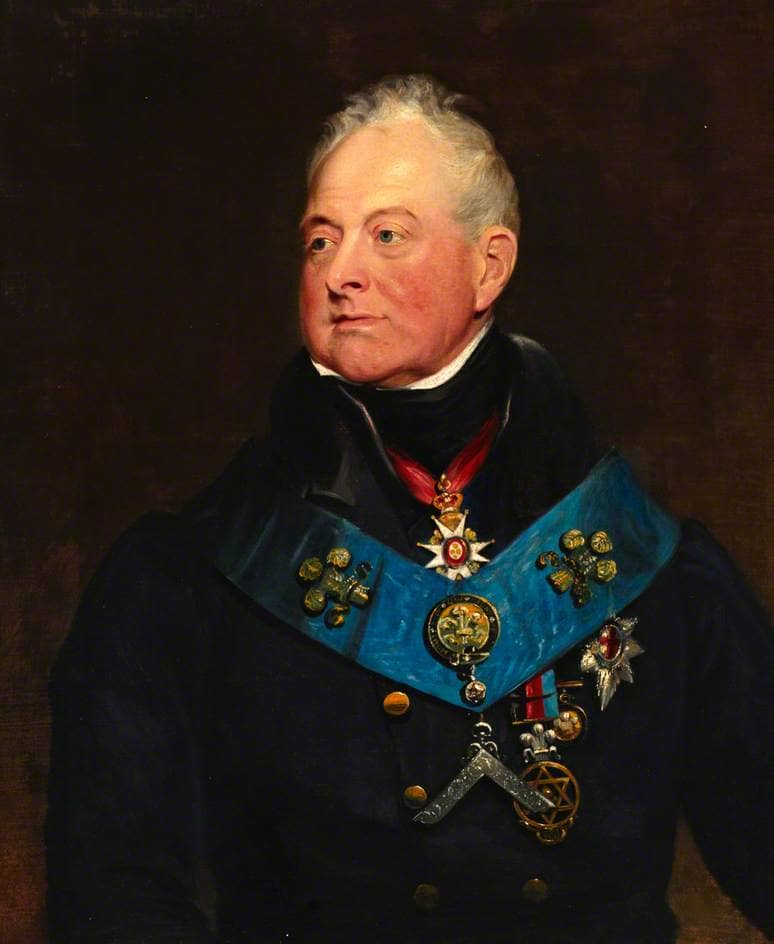
-
Article
Kivas Tully
Kivas Tully, architect, civil engineer, politician (b at Garrarucum, Queen's County, Ire 1820; d at Toronto 24 Apr 1905).
"https://thecanadianencyclopedia.ca/images/tce_placeholder.jpg?v=e9dca980c9bdb3aa11e832e7ea94f5d9" // resources/views/front/categories/view.blade.php
https://thecanadianencyclopedia.ca/images/tce_placeholder.jpg?v=e9dca980c9bdb3aa11e832e7ea94f5d9
-
Article
Klaro Mizerit
Klaro (Maria) Mizerit,. Conductor, composer, b Monfalcone, Italy, 12 Aug 1914 of Slovenian parents, naturalized Canadian 1973, d Halifax, 3 Jan 2007. Klaro Mizerit studied violin, conducting, and composition 1941-8, receiving diplomas from the academies of music of Ljubljana and Vienna.
"https://thecanadianencyclopedia.ca/images/tce_placeholder.jpg?v=e9dca980c9bdb3aa11e832e7ea94f5d9" // resources/views/front/categories/view.blade.php
https://thecanadianencyclopedia.ca/images/tce_placeholder.jpg?v=e9dca980c9bdb3aa11e832e7ea94f5d9
-
Article
Klee Wyck
Klee Wyck (1941) is a memoir by Emily Carr, consisting of a collection of literary sketches. It is an evocative work that describes in vivid detail the influence that the Indigenous people and culture of the Northwest Coast had on Carr. Klee Wyck (“Laughing One”) is the name the Nuu-chah-nulth (Nootka) people gave her. The book won a Governor General’s Literary Award for nonfiction in 1941 and has been translated into French.
"https://d3d0lqu00lnqvz.cloudfront.net/media/media/a470b336-21e0-40c4-a8a8-4118d56bb838.jpg" // resources/views/front/categories/view.blade.php
https://d3d0lqu00lnqvz.cloudfront.net/media/media/a470b336-21e0-40c4-a8a8-4118d56bb838.jpg
-
Article
Kondiaronk
Kondiaronk, Tionontati chief (born circa 1649; died 2 August 1701 in Montreal, QC). He has been known by several names throughout history, including Gaspar Soiaga, Souoias, Sastaretsi, and Le Rat (the Rat). Kondiaronk was one of the main brokers of the Great Peace of Montreal, signed in 1701. This peace agreement between the French and Haudenosaunee brought to an end almost a century of hostilities marked by atrocities on both sides. (See also Indigenous-French Relations in Canada.)
"https://d3d0lqu00lnqvz.cloudfront.net/Kondiaronk/KondiaronkStamp.jpg" // resources/views/front/categories/view.blade.php
https://d3d0lqu00lnqvz.cloudfront.net/Kondiaronk/KondiaronkStamp.jpg
-
Article
Ktunaxa (Kootenay)
The Ktunaxa (Kootenay) are an Indigenous people who traditionally occupied territories in southeastern British Columbia, as well as in parts of Alberta, Idaho, Montana and Washington. The term “Kootenay” may be an anglicized form of an old Ktunaxa word. In the 2016 census, 935 people identified as having Ktunaxa ancestry.
"https://d3d0lqu00lnqvz.cloudfront.net/media/media/c6ee12de-e628-4471-b4e7-db4c40e30884.jpg" // resources/views/front/categories/view.blade.php
https://d3d0lqu00lnqvz.cloudfront.net/media/media/c6ee12de-e628-4471-b4e7-db4c40e30884.jpg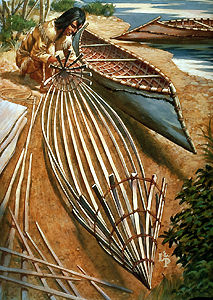
-
Article
Korean Music in Canada
In the 1986 Census of Canada, 29,705 listed Korean as their single or multiple ethnic origin. Half of these lived in the Metropolitan Toronto area.
"https://thecanadianencyclopedia.ca/images/tce_placeholder.jpg?v=e9dca980c9bdb3aa11e832e7ea94f5d9" // resources/views/front/categories/view.blade.php
https://thecanadianencyclopedia.ca/images/tce_placeholder.jpg?v=e9dca980c9bdb3aa11e832e7ea94f5d9
-
Article
Korean Music and Dance
The first significant wave of immigration to Canada from Korea began in the late 1960s and the early 1970s.
"https://thecanadianencyclopedia.ca/images/tce_placeholder.jpg?v=e9dca980c9bdb3aa11e832e7ea94f5d9" // resources/views/front/categories/view.blade.php
https://thecanadianencyclopedia.ca/images/tce_placeholder.jpg?v=e9dca980c9bdb3aa11e832e7ea94f5d9
-
Article
Korean Canadians
Korea was a single, independent country for 1,300 years before splitting in two after the Second World War. North Korea is today an isolated military dictatorship while South Korea is a liberal democracy. Almost all Korean immigration to Canada has been from South Korea. In 2016, the census recorded 198,210 Canadians of Korean origin (177,925 single and 20,290 multiple responses.)
"https://d3d0lqu00lnqvz.cloudfront.net/media/new_article_images/KoreanCanadians/Koreatown_Toronto.jpg" // resources/views/front/categories/view.blade.php
https://d3d0lqu00lnqvz.cloudfront.net/media/new_article_images/KoreanCanadians/Koreatown_Toronto.jpg
-
Article
Kornelius Neufeld
Kornelius (Herman) Neufeld. Choir conductor, educator, administrator, composer, b Nikolajewa, south Russia, 10 Dec 1892, d Winkler, Man, 14 Jan 1957. As a youth he studied voice at the Moscow Cons and with Max Pohl in Berlin and sang in Moscow's Simin Opera Chorus.
"https://thecanadianencyclopedia.ca/images/tce_placeholder.jpg?v=e9dca980c9bdb3aa11e832e7ea94f5d9" // resources/views/front/categories/view.blade.php
https://thecanadianencyclopedia.ca/images/tce_placeholder.jpg?v=e9dca980c9bdb3aa11e832e7ea94f5d9