
Browse "Communities & Sociology"
-
Article
Sammy Luftspring
Sammy Luftspring, boxer, referee, businessman (born 14 March 1915 in Toronto, ON; died 27 September 2000 in Toronto). Sammy Luftspring was the Ontario amateur featherweight champion in 1933 and the Canadian amateur welterweight champion in 1938. A proud Jew, Luftspring wore the Star of David on his trunks and was subjected to anti-Semitism throughout his life. He fought Nazi youth in the Christie Pits Riot and is perhaps best remembered for boycotting the 1936 Olympic Summer Games in Berlin. He also landed in the Guinness Book of World Records for officiating some 2,000 fights. He has been inducted into Canada’s Sports Hall of Fame and the Ontario Sports Hall of Fame.
"https://d3d0lqu00lnqvz.cloudfront.net/Everguard_Fight_Gloves.jpg" // resources/views/front/categories/view.blade.php
https://d3d0lqu00lnqvz.cloudfront.net/Everguard_Fight_Gloves.jpg
-
Article
Samuel Dwight Chown
Samuel Dwight Chown, Methodist minister (b at Kingston, Canada W 11 Apr 1853; d at Toronto 30 Jan 1933).
"https://thecanadianencyclopedia.ca/images/tce_placeholder.jpg?v=e9dca980c9bdb3aa11e832e7ea94f5d9" // resources/views/front/categories/view.blade.php
https://thecanadianencyclopedia.ca/images/tce_placeholder.jpg?v=e9dca980c9bdb3aa11e832e7ea94f5d9
-
Article
Sandra Birdsell
Sandra Birdsell (née Sandra Bartlette), CM, Mennonite-Métis, short-story writer, novelist (born 22 April 1942 in Hamiota, MB). Birdsell’s fiction often investigates the lives of small-town characters, especially women. She has written novels, plays, radio dramas and scripts for television and film. Appointed a Member of the Order of Canada in 2010, Birdsell has been nominated for the Governor General’s Literary Award for English Language Fiction three times, and for the Scotiabank Giller Prize in 2001.
"https://d3d0lqu00lnqvz.cloudfront.net/media/new_article_images/SandraBirdsell/Sandra Birdsell.jpg" // resources/views/front/categories/view.blade.php
https://d3d0lqu00lnqvz.cloudfront.net/media/new_article_images/SandraBirdsell/Sandra Birdsell.jpg
-
Article
Sandra Lovelace Nicholas
Mary Sandra Lovelace Nicholas, CM, Wolastoqiyik (Maliseet), Tobique Nation, Liberal Senator for New Brunswick, Indigenous rights advocate (born 15 April 1948 on Tobique reserve near Perth-Andover, NB). Sandra Lovelace Nicholas is the first woman of Indigenous background appointed to the Senate from Atlantic Canada. She championed changes to the Indian Act that seek to restore the legal rights of many Status Indian women and children.
"https://d3d0lqu00lnqvz.cloudfront.net/media/media/4d994481-dad0-4092-811e-1f0718cd1a1e.jpg" // resources/views/front/categories/view.blade.php
https://d3d0lqu00lnqvz.cloudfront.net/media/media/4d994481-dad0-4092-811e-1f0718cd1a1e.jpg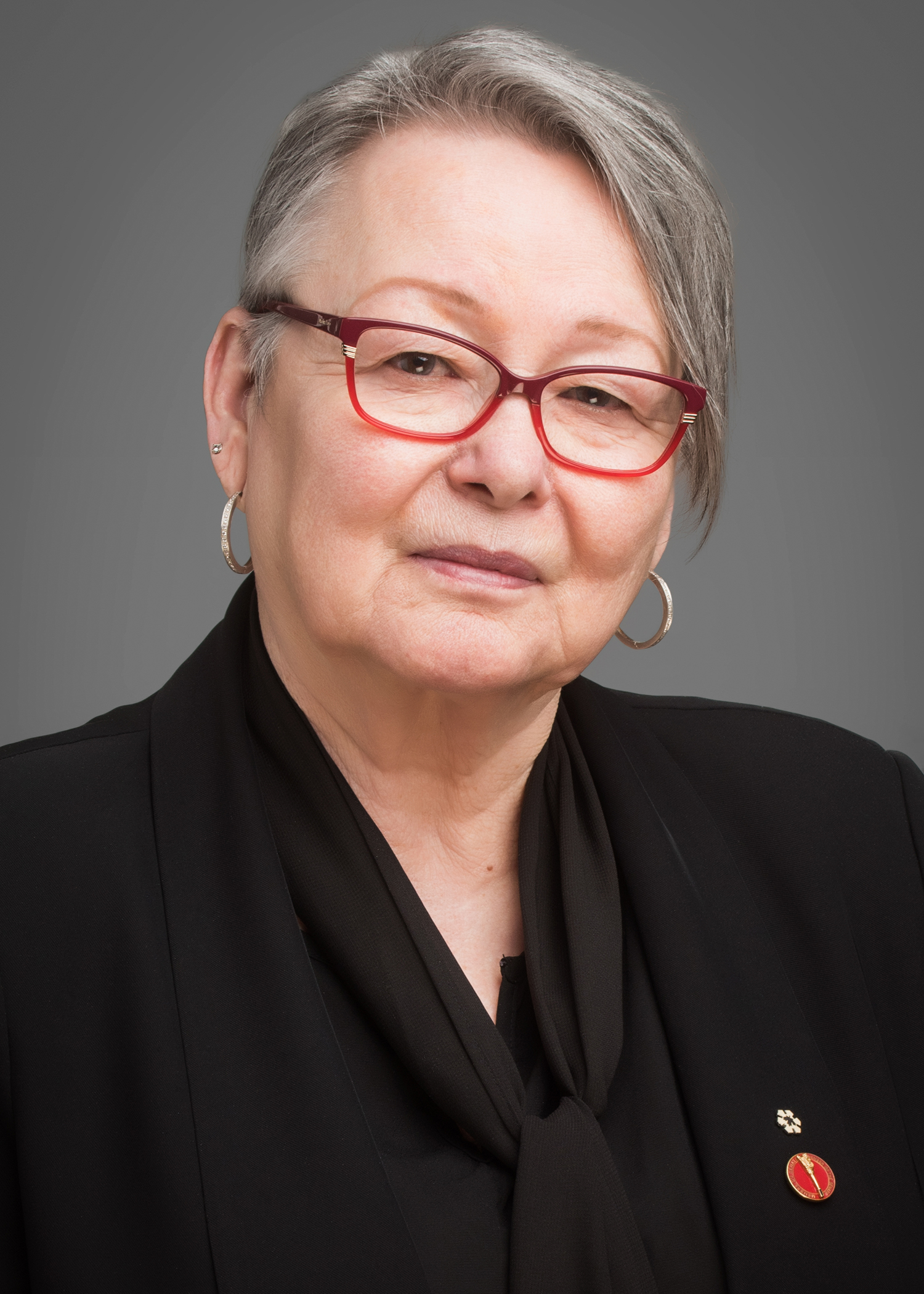
-
Article
Sandra Oh
Sandra Miju Oh, OC, actor, producer (born 20 July 1971 in Nepean, ON). Sandra Oh is a versatile actor whose performances in film and television have won popular and critical acclaim. She won Genie Awards for her performances in Double Happiness (1994) and Last Night(1998) before gaining international recognition for her role in the successful ABC medical drama Grey’s Anatomy (2005–14). Her work has been groundbreaking for the visibility it has brought to roles for Asian actors in North America. With her lead role in the BBC America drama Killing Eve (2018–), Oh became the first actor of Asian heritage to be nominated for a Primetime Emmy Award for best actress and the first to win a Golden Globe in that category since 1981. She was inducted into Canada’s Walk of Fame in 2011 and won a Governor General's Performing Arts Award in 2019. She was made an Officer of the Order of Canada in 2022.
"https://d3d0lqu00lnqvz.cloudfront.net/media/Twitter_Cards/Sandra Oh 1.jpg" // resources/views/front/categories/view.blade.php
https://d3d0lqu00lnqvz.cloudfront.net/media/Twitter_Cards/Sandra Oh 1.jpg
-
Macleans
Sandra Oh: Maclean's 1995 Honor Roll
Sandra Oh lives just up the hill from Hollywood Boulevard. Her temporary home is a pleasantly faded apartment hotel.This article was originally published in Maclean's Magazine on December 18, 1995
"https://thecanadianencyclopedia.ca/images/tce_placeholder.jpg?v=e9dca980c9bdb3aa11e832e7ea94f5d9" // resources/views/front/categories/view.blade.php
https://thecanadianencyclopedia.ca/images/tce_placeholder.jpg?v=e9dca980c9bdb3aa11e832e7ea94f5d9
-
Article
Sara Riel
Sara Riel, (also known as Sister Marguerite Marie), sister of Louis Riel, Métis Grey Nun and missionary, cultural liaison, teacher, founder of female Catholic lay organization (born 11 October 1848 in St. Boniface, Red River Colony [now Manitoba]; died 27 December 1883 in Île-à-la-Crosse, SK). Sara Riel strove to empower Métis people and women through English-language and Catholic studies. Her education and multilingual abilities made her a valuable mediator between conflicting cultures in the early Red River Colony. Today, a charitable organization established by the Grey Nuns of Manitoba bears her name.
"https://d3d0lqu00lnqvz.cloudfront.net/media/media/56b33fa4-cc78-47d6-aa73-783101061032.jpg" // resources/views/front/categories/view.blade.php
https://d3d0lqu00lnqvz.cloudfront.net/media/media/56b33fa4-cc78-47d6-aa73-783101061032.jpg
-
Macleans
SARS Victims Tell Their Stories
This article was originally published in Maclean’s magazine on May 5, 2003. Partner content is not updated. THE SARS OUTBREAK has swept many people into its vortex of tragedy, fear and confusion. The DISEASE suddenly changed their lives in ways they couldn't have imagined.
"https://thecanadianencyclopedia.ca/images/tce_placeholder.jpg?v=e9dca980c9bdb3aa11e832e7ea94f5d9" // resources/views/front/categories/view.blade.php
https://thecanadianencyclopedia.ca/images/tce_placeholder.jpg?v=e9dca980c9bdb3aa11e832e7ea94f5d9
-
Article
SchoolNet
SchoolNet was an educational project launched in 1993 by federal, provincial and territorial governments, educational organizations and industry partners. Their goals were to link Canadian schools and libraries (particularly those in remote areas) via the Internet and to foster the creation of a Canadian educational website in English and French.
"https://thecanadianencyclopedia.ca/images/tce_placeholder.jpg?v=e9dca980c9bdb3aa11e832e7ea94f5d9" // resources/views/front/categories/view.blade.php
https://thecanadianencyclopedia.ca/images/tce_placeholder.jpg?v=e9dca980c9bdb3aa11e832e7ea94f5d9
-
Article
Scottish Canadians
Though often considered Anglo-Canadians, the Scots have always regarded themselves as a separate people. The Scots have immigrated to Canada in steady and substantial numbers for over 200 years, with the connection between Scotland and Canada stretching farther — to the 17th century. Scots have been involved in every aspect of Canada's development as explorers, educators, businessmen, politicians, writers and artists. The Scots are among the first Europeans to establish themselves in Canada and are the fourth largest ethnic group in the country. In the 2021 census, a total of 4,392,200 Canadians, or 12 per cent of the population, listed themselves as being of Scottish origin (single and multiple responses). The Scots and their descendants shaped place names and institutions, as well as the economic, political and cultural life of the country. Scots have been involved in every aspect of Canada's development. A few of the many well-known Canadians of Scottish descent include Sir Alexander Tilloch Galt, James Bruce (Lord Elgin), Donald Alexander Smith (Lord Strathcona), William Lyon Mackenzie, Harold Adams Innis, Sir William Mackenzie, Sir Hugh Allan, George Stephen, Maxwell Aitken (Lord Beaverbrook), Alexander Begg, William Lewis Morton, Blair Fraser, Norman Bethune, Farley Mowat, Charles William Gordon (pen name Ralph Connor), Douglas Campbell and Norman McLaren.
"https://d3d0lqu00lnqvz.cloudfront.net/media/media/4d323062-cb6e-4937-acd9-7666f7d8c449.jpg" // resources/views/front/categories/view.blade.php
https://d3d0lqu00lnqvz.cloudfront.net/media/media/4d323062-cb6e-4937-acd9-7666f7d8c449.jpg
-
Article
Racial Segregation of Asian Canadians
The beginning of Chinese immigration to present-day British Columbia in the 1850s sparked a vociferous and sustained opposition from Euro-Canadian residents. This opposition intensified with the arrival of Japanese immigrants in the 1870s and South Asians in the early 1900s. To counter the supposed racial and economic dangers presented by these groups, labour leaders and others in the province successfully lobbied for legal and social restrictions on Asian employment, housing, education and civic participation in the province. These formed the basis for Asian segregation in British Columbia and Canada generally, which continued until the end of Japanese internment and the removal of all Asian voting restrictions in 1949. While it never attained the level of racial separation seen during the US South’s Jim Crow era, Asian segregation from whites in 19th and early 20th century Canada defined many aspects of everyday life in Canada.
"https://d3d0lqu00lnqvz.cloudfront.net/media/media/0cf92f4d-b2fe-43d7-90b4-4d520d9659b6.jpg" // resources/views/front/categories/view.blade.php
https://d3d0lqu00lnqvz.cloudfront.net/media/media/0cf92f4d-b2fe-43d7-90b4-4d520d9659b6.jpg
-
Article
Sekani
Sekani are an Indigenous people from central and north-eastern British Columbia. They are also known as the Tsek'ehne, which means "people of the rocks or mountains."In the past, they consisted of several family groups or bands, each of 30-40 persons, who hunted and traded along the Finlay and Parsnip tributaries of the Peace River. Each group had a name indicating its territory, but the term Sekani applied to the people of the Parsnip-Finlay area in central and north-eastern British Columbia. Sekani and Dane-zaa are mutually intelligible dialects of a single Athapaskan language. They were first contacted by Alexander Mackenzie in 1793. In the 2021 census, 650 people claimed to be of Tse’khene (Sekani) ancestry.
"https://thecanadianencyclopedia.ca/images/tce_placeholder.jpg?v=e9dca980c9bdb3aa11e832e7ea94f5d9" // resources/views/front/categories/view.blade.php
https://thecanadianencyclopedia.ca/images/tce_placeholder.jpg?v=e9dca980c9bdb3aa11e832e7ea94f5d9
-
Article
Seneca
The Seneca (Onöndowa’ga, “People of the Great Hills”) are an Indigenous nation. Known as the “Keepers of the Western Door,” they are the western-most member of the Haudenosaunee Confederacy with ancestral lands located south of Lake Ontario. Today, some Seneca people also live on Six Nations territory near Brantford, Ontario. (See also First Nations.)
"https://d3d0lqu00lnqvz.cloudfront.net/media/media/6c0023ab-b0fd-42d7-84e8-3ee0b717d091.jpg" // resources/views/front/categories/view.blade.php
https://d3d0lqu00lnqvz.cloudfront.net/media/media/6c0023ab-b0fd-42d7-84e8-3ee0b717d091.jpg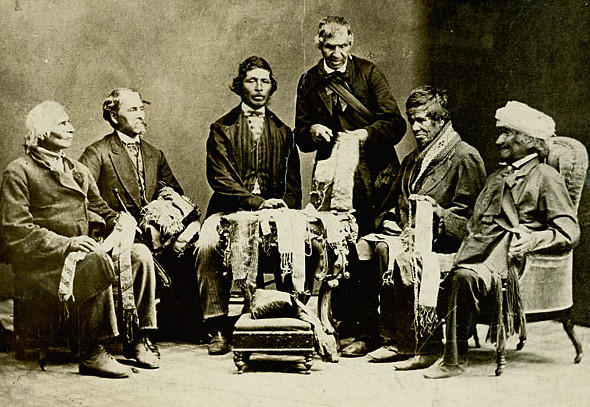
-
Article
Serbian Music in Canada
Immigration to Canada by the peoples of this eastern portion of modern Yugoslavia began in significant numbers after World War II, and by 1986 some 12,970 Serbian-Canadians lived and worked in the industrial areas of southern Ontario. Others lived in Ottawa, Montreal, and Vancouver.
"https://thecanadianencyclopedia.ca/images/tce_placeholder.jpg?v=e9dca980c9bdb3aa11e832e7ea94f5d9" // resources/views/front/categories/view.blade.php
https://thecanadianencyclopedia.ca/images/tce_placeholder.jpg?v=e9dca980c9bdb3aa11e832e7ea94f5d9
-
Article
Sergio Barroso
Sergio Barroso. Composer, teacher, synthesist, b Havana, Cuba, 4 Mar 1946; Honours Diploma (Havana Conservatory) 1966, post-graduate certificate (Prague Superior Academy of Music) 1968.
"https://thecanadianencyclopedia.ca/images/tce_placeholder.jpg?v=e9dca980c9bdb3aa11e832e7ea94f5d9" // resources/views/front/categories/view.blade.php
https://thecanadianencyclopedia.ca/images/tce_placeholder.jpg?v=e9dca980c9bdb3aa11e832e7ea94f5d9