
Browse "Things"
-
Article
Geology
Every day of our lives, we interact with the planet we live on. Normally, the interaction is quiet and unobtrusive and we take a stable environment for granted. But at times we are reminded that this planet changes: a volcano erupts in a remote country and its dust reduces sunlight by 5 per cent for a few years; an earthquake leaves thousands dead or homeless. We have been forced to become aware of the limitations and fragility of the Earth, and of problems such as acid rain and toxic-waste pollution.
"https://d3d0lqu00lnqvz.cloudfront.net/media/media/92685b7d-13c5-4eb5-9286-12f499300daf.jpg" // resources/views/front/categories/view.blade.php
https://d3d0lqu00lnqvz.cloudfront.net/media/media/92685b7d-13c5-4eb5-9286-12f499300daf.jpg
-
Article
Geomatics Canada
Geomatics Canada, along with the Geological Survey of Canada and the Polar Continental Shelf Project, became part of the Earth Sciences Sector of the Department of Natural Resources in the mid-1990s. It was formerly known as the Surveys, Mapping and Remote Sensing Sector.
"https://thecanadianencyclopedia.ca/images/tce_placeholder.jpg?v=e9dca980c9bdb3aa11e832e7ea94f5d9" // resources/views/front/categories/view.blade.php
https://thecanadianencyclopedia.ca/images/tce_placeholder.jpg?v=e9dca980c9bdb3aa11e832e7ea94f5d9
-
Article
Geomorphology
Geomorphology is primarily concerned with the scientific study of landscapes and landforms on Earth's surface, and the processes acting on them, although geomorphic principles are also applied to the study of planetary bodies with solid crusts, such as the Moon and Mars. Geomorphologists seek to explain variations in surface form and evolution and the impact of geomorphological processes on human populations, including hazardous events such as landslides and river flooding, which may intensify in the future with climate change. Modern geomorphologists usually align themselves with a specialized branch of the subject, such as glaciers, rivers or coasts. In Canada, which was covered by several large ice sheets and still has permafrost underlying half its land mass, many geomorphologists are concerned with the Quaternary (last 2.6 million years) or with prevailing cold conditions.
"https://d3d0lqu00lnqvz.cloudfront.net/media/media/55353aa3-0ef5-4692-b755-9d08eca9972c.jpg" // resources/views/front/categories/view.blade.php
https://d3d0lqu00lnqvz.cloudfront.net/media/media/55353aa3-0ef5-4692-b755-9d08eca9972c.jpg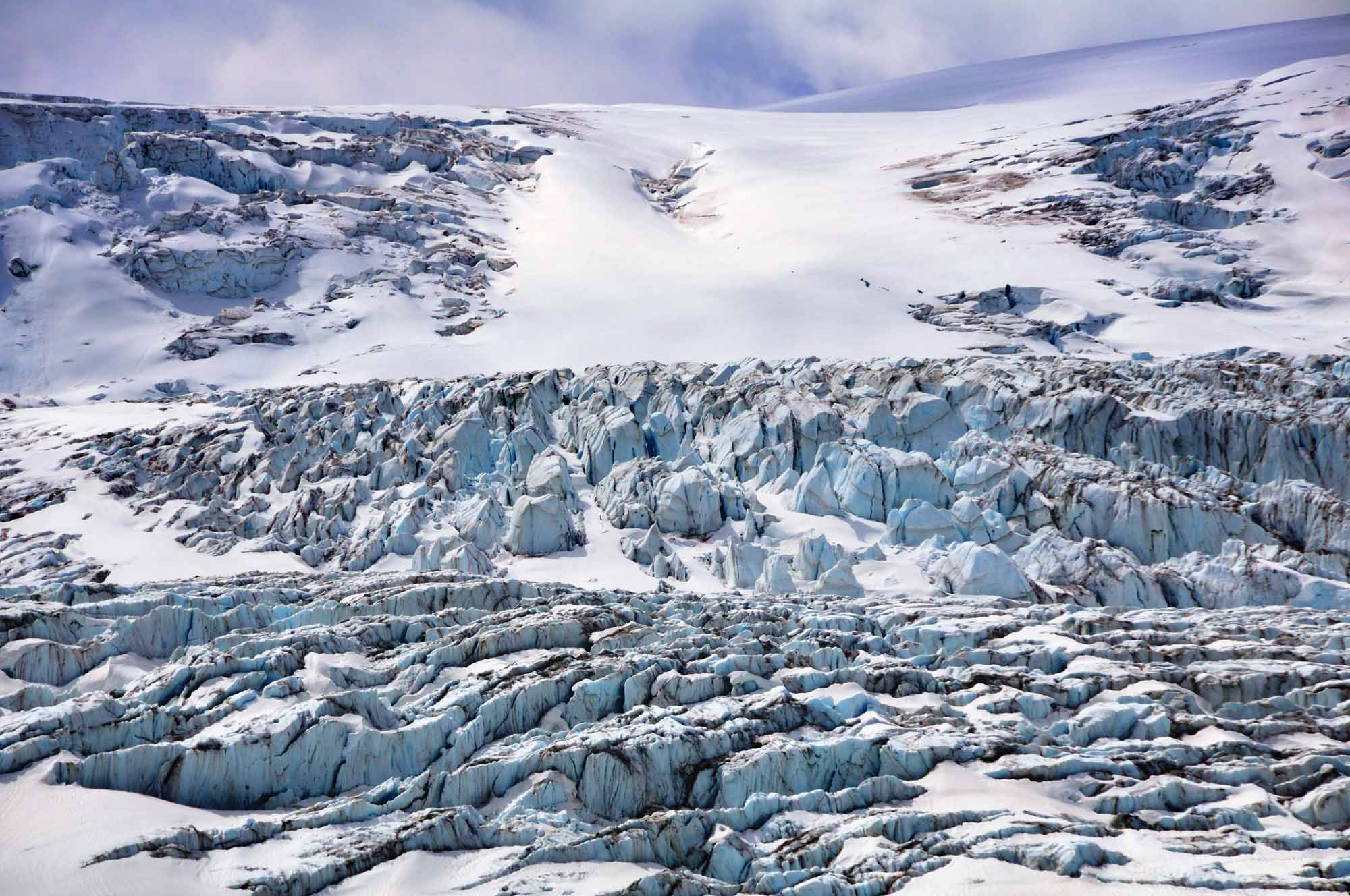
-
Article
Geopolitics
Geopolitics refers to a strategy for national identity and development based on a country's geographical characteristics and natural resources.
"https://thecanadianencyclopedia.ca/images/tce_placeholder.jpg?v=e9dca980c9bdb3aa11e832e7ea94f5d9" // resources/views/front/categories/view.blade.php
https://thecanadianencyclopedia.ca/images/tce_placeholder.jpg?v=e9dca980c9bdb3aa11e832e7ea94f5d9
-
Article
George Cross
The aerial bombing of centres of civilian population in Britain early in WWII gave rise to numerous acts of the most conspicuous bravery. In response, King George VI instituted a major decoration in 1940 for which civilians and members of the armed forces are eligible.
"https://thecanadianencyclopedia.ca/images/tce_placeholder.jpg?v=e9dca980c9bdb3aa11e832e7ea94f5d9" // resources/views/front/categories/view.blade.php
https://thecanadianencyclopedia.ca/images/tce_placeholder.jpg?v=e9dca980c9bdb3aa11e832e7ea94f5d9
-
Article
George Weston Limited
George Weston Limited is one of North America’s largest processors and distributors of food. The company operates three subsidiaries: Loblaw Companies Limited, a grocery, drugstore and general retailer; Weston Foods, a baking company; and Choice Properties, a real estate investment trust. George Weston Ltd. owns a variety of brands and retail banners. Loblaw brands include No Name, President’s Choice, Life Brand and Joe Fresh. Loblaw stores include Loblaws, Zehrs, Your Independent Grocer, Provigo, Atlantic Superstore, Fortinos, Dominion, Independent City Market, Valu-mart, ARZ Bakery, Wholesale Club, T&T Supermarket, Real Canadian Liquorstore, Real Canadian Superstore, No Frills, Maxi, Extra Foods and Shoppers Drug Mart. In 2023, George Weston Ltd. registered over $60 billion in revenue. George Weston Ltd. Is the country’s largest private-sector employer, with over 200,000 full- and part-time employees. It is a public company headquartered in Toronto and listed on the Toronto Stock Exchange under the symbol WN.
"https://d3d0lqu00lnqvz.cloudfront.net/media/media/04dcf06f-4c1e-4e37-8d17-d67fb352e1a7.jpg" // resources/views/front/categories/view.blade.php
https://d3d0lqu00lnqvz.cloudfront.net/media/media/04dcf06f-4c1e-4e37-8d17-d67fb352e1a7.jpg
-
Article
Geothermal Energy
Geothermal Energy is the exploitable heat within the Earth. The interior of the planet is maintained at a high temperature by a vast store of heat, of which part remains from the formation of the Earth and part is continually generated by the decay of radioactive elements
"https://thecanadianencyclopedia.ca/images/tce_placeholder.jpg?v=e9dca980c9bdb3aa11e832e7ea94f5d9" // resources/views/front/categories/view.blade.php
https://thecanadianencyclopedia.ca/images/tce_placeholder.jpg?v=e9dca980c9bdb3aa11e832e7ea94f5d9
-
Article
Gerald Stanley Case
On 9 February 2018, Gerald Stanley, a white farmer in rural Saskatchewan, was acquitted of murder and manslaughter in the killing of Colten Boushie, a 22-year-old Cree man. The acquittal caused great controversy but was not appealed by prosecutors. However, it led the Justin Trudeau government to abolish peremptory challenges, which allowed Stanley’s legal team to keep five Indigenous people off the all-white jury that acquitted him. In 2021, an investigation conducted by a civilian watchdog concluded that that the RCMP was insensitive and racially discriminatory toward Boushie’s mother, and that the police mishandled witnesses and evidence. A Globe and Mail investigation also found that the RCMP “destroyed records of police communications from the night Colten Boushie died.”
"https://thecanadianencyclopedia.ca/images/tce_placeholder.jpg?v=e9dca980c9bdb3aa11e832e7ea94f5d9" // resources/views/front/categories/view.blade.php
https://thecanadianencyclopedia.ca/images/tce_placeholder.jpg?v=e9dca980c9bdb3aa11e832e7ea94f5d9
-
Article
Geranium
Geranium, annual, biennial or perennial plant of genus Geranium, family Geraniaceae, with opposite, palmate and often divided leaves.
"https://thecanadianencyclopedia.ca/images/tce_placeholder.jpg?v=e9dca980c9bdb3aa11e832e7ea94f5d9" // resources/views/front/categories/view.blade.php
https://thecanadianencyclopedia.ca/images/tce_placeholder.jpg?v=e9dca980c9bdb3aa11e832e7ea94f5d9
-
Article
German Furniture
Furniture of Germanic derivation has come to Canada as a result of emigration from Germany and from Pennsylvania (see GERMANS). Traditional German furniture in Europe evolved over several centuries to serve the needs of ordinary, primarily rural, people.
"https://thecanadianencyclopedia.ca/images/tce_placeholder.jpg?v=e9dca980c9bdb3aa11e832e7ea94f5d9" // resources/views/front/categories/view.blade.php
https://thecanadianencyclopedia.ca/images/tce_placeholder.jpg?v=e9dca980c9bdb3aa11e832e7ea94f5d9
-
Article
German Music in Canada
In 1986 Canadians of German descent formed the fifth largest ethnic group in Canada - after French, English, Scottish, and Irish. In 1986 the figure was approximately 900,000 of German origin and an estimated 1,700,000 with German-speaking ancestors from various parts of Europe.
"https://thecanadianencyclopedia.ca/images/tce_placeholder.jpg?v=e9dca980c9bdb3aa11e832e7ea94f5d9" // resources/views/front/categories/view.blade.php
https://thecanadianencyclopedia.ca/images/tce_placeholder.jpg?v=e9dca980c9bdb3aa11e832e7ea94f5d9
-
Article
Gerontology
Gerontology is the scientific study of AGING and its consequences including psychological, biological, and social changes confronting individuals, the social and economic issues created by growing numbers of older people in a population, and the opportunities older age brings with it.
"https://thecanadianencyclopedia.ca/images/tce_placeholder.jpg?v=e9dca980c9bdb3aa11e832e7ea94f5d9" // resources/views/front/categories/view.blade.php
https://thecanadianencyclopedia.ca/images/tce_placeholder.jpg?v=e9dca980c9bdb3aa11e832e7ea94f5d9
-
Article
Giant Beaver
The giant beaver (Castoroides ohioensis) is an extinct rodent that lived in North America between 1.4 million and 10,000 years ago. It was a distant cousin to modern beavers, but in many ways may have been more similar to modern capybaras. The giant beaver was one of the largest rodents ever to roam the Earth, and one of approximately 30 extinct genera of beavers. Only two beaver species survive today: the North American beaver and the Eurasian beaver. The giant beaver received its scientific name after remains were found in 1837 in Ohio. In Canada, giant beaver fossils have been found on Indian Island, New Brunswick; in Toronto and near Highgate, Ontario; and in Old Crow Basin, Yukon. They live on in the oral history of many Indigenous peoples, including the Innu, Seneca, eastern Cree, Chippewa and Vuntut Gwitchin.
"https://d3d0lqu00lnqvz.cloudfront.net/media/new_article_images/GiantBeaver/GiantBeaver.jpg" // resources/views/front/categories/view.blade.php
https://d3d0lqu00lnqvz.cloudfront.net/media/new_article_images/GiantBeaver/GiantBeaver.jpg
-
Article
Giant Mine Murders
The killing of nine underground miners in 1992 was one of Canada's worst mass murders. During an already violent strike-lockout at the Giant gold mine in Yellowknife, Northwest Territories, nine replacement workers died when their rail car hit a deliberately set bomb. After a lengthy police investigation, striking miner Roger Warren confessed to the crime, then recanted, but was convicted anyway in 1995. He was paroled from prison in 2014, having re-admitted his guilt.
"https://d3d0lqu00lnqvz.cloudfront.net/media/media/81e97328-6e3c-4dc1-a37b-889adc59f660.jpg" // resources/views/front/categories/view.blade.php
https://d3d0lqu00lnqvz.cloudfront.net/media/media/81e97328-6e3c-4dc1-a37b-889adc59f660.jpg
-
Macleans
Giant Mine Murders: Ten Years Later
It was 8:45 a.m. on sept. 18, 1992, when the rail car transporting the replacement workers hit the trip wire, setting off an explosion so powerful that it drove bits of their flesh and bone deep into the hard rock ceiling.This article was originally published in Maclean's Magazine on August 19, 2002
"https://thecanadianencyclopedia.ca/images/tce_placeholder.jpg?v=e9dca980c9bdb3aa11e832e7ea94f5d9" // resources/views/front/categories/view.blade.php
https://thecanadianencyclopedia.ca/images/tce_placeholder.jpg?v=e9dca980c9bdb3aa11e832e7ea94f5d9