Share on Facebook
 Share on X
 Share by Email
 Share on Google Classroom
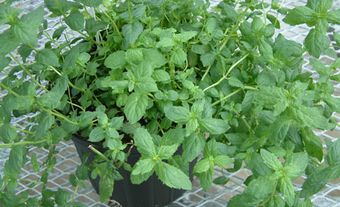
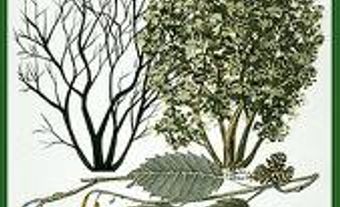
Sagebrush (genus Artemisia), bitter, aromatic plant or shrub of the family Compositae or Asteraceae. They include annual, biennial and perennial plants. More than 100 species are known, chiefly from arid regions of the Northern Hemisphere. Fifteen species are native to Canada; seven others are introduced (two European, four Eurasian and one from Aleutian Islands).
Species of sagebrush
The greatest variety of native sagebrushes occurs in the western mountains, where species that range from Alaska to California and Colorado are found. Several species range across the prairies and two species are transcontinental in Canada. Sagebrushes grow on dry plains, hills and rocky slopes.
Appearance
Flower clusters, aggregations of heads that are usually loose and nodding and sometimes spikelike, appear in summer and autumn. Each head is a disc of few or many tubular florets. Fruit is small, hard and dry. Many sagebrushes are highly variable, and hybridization occurs freely. (See also Traditional Plants and Indigenous Peoples in Canada.)
The common name derives from the characteristic, sagelike odour, while the genus is named for the Persian Queen of Caria, Artemisia. The genus includes wormwoods and tarragon.