Share on Facebook
 Share on X
 Share by Email
 Share on Google Classroom
Mould or mold is a colloquial term for woolly or cottony growths produced by Fungi, and for species causing these growths. As many as 300,000 species are estimated to exist worldwide, although they are incompletely catalogued. Many common Canadian species have worldwide distributions, but some are unique to Canada.
Structure
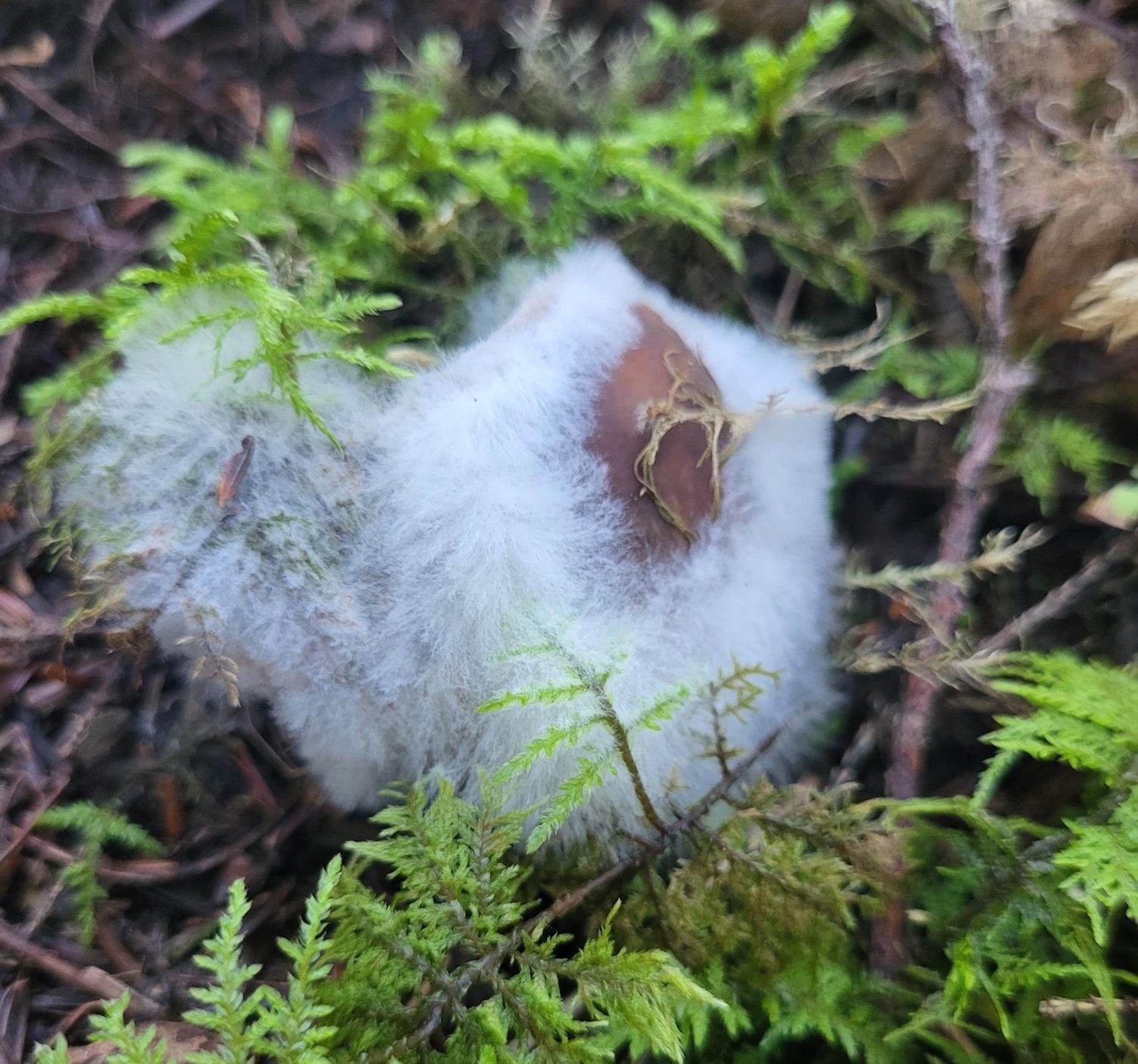
Mould consists of filamentous, microscopic cells called hyphae (collectively called mycelia), and asexually produced spores, which give mould colonies their powdery appearance.
Growth and Diet
Mould requires a source of nutrition, water, oxygen and appropriate pH to grow. The organic materials in which hyphae grow are digested by enzymes released from the fungal cells and absorbed by the fungus as nutrients. This process is what we know as decay, an essential ecological process, causing the deterioration of foods, textiles and structural materials. Maximum species numbers and growth rates occur under warm, humid conditions, but some moulds grow slowly at -20°C, while others continue growing at +60°C.
Interaction with Humans
Moulds affect humans by causing decay and disease, but many are utilized because of their production of unusual chemicals known as secondary metabolites. Secondary metabolites may be harmful or beneficial. Carcinogenic metabolites called mycotoxins are produced by many common moulds that decay food, rendering the food unsafe for consumption.
Antibiotics are beneficial metabolites that are useful because they are toxic to other microorganisms. The antibiotic penicillin, produced by many Penicillium species, is used against disease-causing bacteria. Cyclosporin A, produced by Tolypocladium inflatum, is widely employed to prevent tissue rejection in human organ transplants.
Mould infections cause skin diseases (e.g., ringworm and athlete's foot). Severe systemic infections (mycoses) are common in some regions. Some hay fever may be caused by airborne mould spores. Moulds infect and kill insects and cause many plant diseases; some water moulds cause fatal fish and crustacean infections.
Common blue and green moulds, which cause spoilage of fruits, vegetables and jams, are mostly species of Penicillium and Aspergillus. Some species of these genera are important in the industrial production of antibiotics, citric and gluconic acids, commercially used enzymes, etc. Blue and camembert-style cheeses owe their distinctive flavour to species of Penicillium. Moulds related to black bread mould and Aspergillus species are used in the production of some Asian foods (e.g., soy sauce).