Share on Facebook
 Share on X
 Share by Email
 Share on Google Classroom
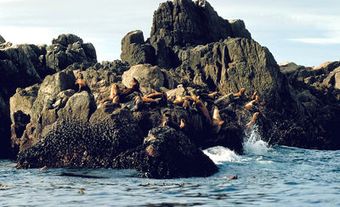
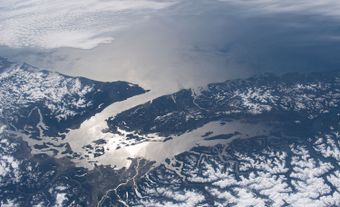
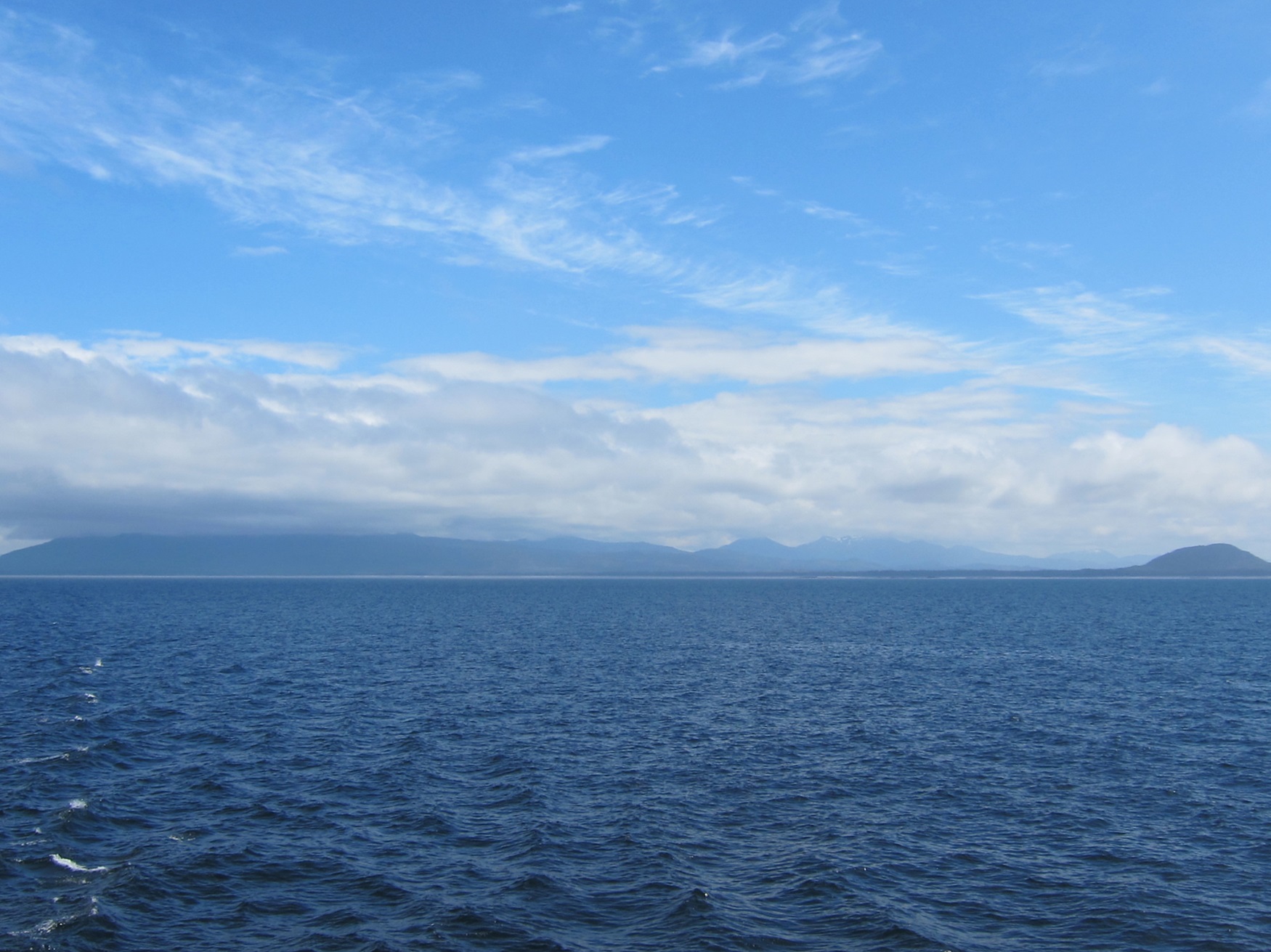
Hecate Strait is a body of water 48–140 km wide, underlain by a shallow basin (less than 45 m at the north end) separating Haida Gwaii from mainland British Columbia. Marine weather conditions are severe: winter storms originating in the Gulf of Alaska bring high waves through the strait and winds persistently higher than 40 km/h off the south end of Moresby Island. The open strait and numerous sheltered inlets are rich in marine life.
Marine Protected Area
A 2,410 km2 section of the Hecate Strait was protected in 2017 as part of the Hecate Strait and Queen Charlotte Sound Glass Sponge Reefs Marine Protected Area. As its name implies, the main objective of this marine protected area is to conserve the biological diversity, structural habitat and ecosystem function of the glass sponge reefs in the area.
Economic Importance
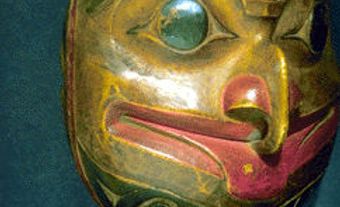
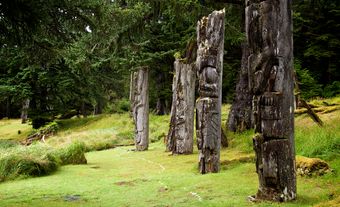
Halibut, groundfish, herring, shellfish and salmon fisheries are centred around Prince Rupert. Hecate Strait was navigated by the Haida, whose water-based settlements on the east coast of Haida Gwaii date from 6,000–8,000 years ago. Spanish explorer Jacinto Caamano (1792) was the first European to enter the waters of the strait, although the strait is named after a British paddlewheel sloop that surveyed the North Pacific coast from 1860 to 1863. Offshore oil drilling under the southern strait began in the 1950s but was halted in 1972 following an oil tanker moratorium. This moratorium barred certain types of oil tankers from stopping, loading, and unloading at ports within a designated area. The moratorium was put in place because the area can be challenging for tankers to navigate, and an oil spill could cause massive ecological harm.