Share on Facebook
 Share on X
 Share by Email
 Share on Google Classroom
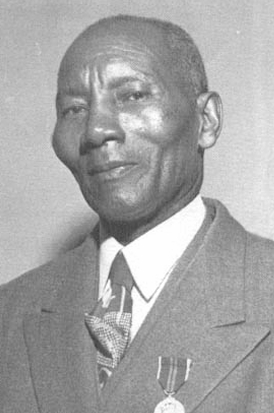
Beresford Augustus (B.A.) Husbands, civil rights leader, community organizer, businessman (born 3 December 1882 in Barbados; died 20 June 1968 in Halifax, NS). Husbands “spared no effort” in confronting the injustices faced by African Nova Scotians, particularly in the areas of racial discrimination, poverty, and the systemic barriers to employment, education, and vocational training (see African Canadians; Black Canadians.). In June 1930, he organized the Halifax Colored Citizens Improvement League, believed to be the first Black secular organization in Nova Scotia, which he led for four decades.
Early Life and Marriage
B.A. Husbands was the son of Prince Husbands and his wife, Mary. He was one of at least three children. At the turn of the century, Husbands immigrated to Nova Scotia, joining a number of West Indian migrants who sought opportunities in port cities such as Halifax and Sydney, Nova Scotia. (See also Caribbean Canadians.) Husbands integrated into the historic African Nova Scotian community in Halifax. He attended Joseph Howe School and eventually married Iris Lucas of Lucasville in 1903. The couple remained together over the course of their lives and had 15 children: 8 sons and 7 daughters. Their family home was located on Charles Street.
Business Career
B.A. Husbands started his career working as a seaman for H. R. Silver, a merchant, before being employed as a porter by the Intercolonial Railway (ICR). Husbands later opened an advertising agency and a West India Products Import Company. In 1913, he opened “(Original) Domestic Employment Bureau” after receiving a license from the Immigration Department of Ottawa. This agency provided jobs for the local Black community, including housemaids, general maids, waitresses, chambermaids, and store clerks. Not long after, Husbands opened a fruit store on Gottingen Street, launched a large-scale real estate business — where he employed both Black and white workers, operated a tobacco store, and became proprietor of a pool hall.
Activism and Community Work
Active for well over 60 years, B.A. Husbands played a significant role in the struggle for racial equality in Nova Scotia, dedicating his life to improving social and economic conditions for Black Nova Scotians (see Black Canadians). Unlike later activists such as Rocky Jones (who famously championed the slogan “Black Power” in Canada), Husbands adopted a more moderate approach in challenging the status quo. Though many of his actions were political in nature, he prided himself on having accomplished these things without “rancour, bitterness, or strife,” as reported in a 1963 article from Halifax newspaper The Mail-Star.
Did you know?
Rocky Jones was a lawyer and Black Canadian activist who spent much of his life fighting for social justice in Canada. Jones was instrumental in organizing the Black Family Meeting, which brought together hundreds of representatives from Black communities across Nova Scotia in November 1968. He cofounded the Black United Front of Nova Scotia (BUF) in the late 1960s. Later in his life, Jones, concerned with the disproportionate lack of Black and Indigenous university graduates, helped establish the Transition Year Program and the Indigenous Blacks and Mi’kmaq Law Initiative (IB&M) at Dalhousie University.
Husbands believed that racial equality would be secured through visibility and representation in the public sphere, working within existing power structures to achieve change. He founded organizations like the International Athletic and Social Club, which city officials lauded for their “splendid” work. His role as vice-president of the Herald and Evening Mail Junior Baseball League and entry of the “Internationals” team into the otherwise all-white league was one of the earliest recorded instances of sporting desegregation in the province. (See also Racial Segregation of Black People in Canada.)
Husbands also served as the elected chairman of the Trustee Advisory Board of the Universal Negro Improvement Association’s (UNIA) Halifax Branch, linking local activism to the broader international movement for Black advancement.
Did you know?
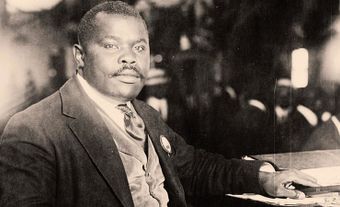
The Universal Negro Improvement Association (UNIA) was founded by Marcus Garvey in 1914 to promote Black pride, unity and economic self-reliance. Guided by two key tenets — “Black Nationalism” and “Back-to-Africa” — the movement quickly spread worldwide, boasting over six million members at its peak. By the 1920s, Canadian divisions had formed in cities such as Montreal, Toronto and Edmonton.
Halifax Colored Citizens Improvement League
By the start of 1930, Black Haligonians were growing increasingly dissatisfied with their circumstances (see Black Canadians). In 1929 alone, B.A. Husbands publicly challenged the accusation that Black residents were responsible for the stabbing of seven-year-old Billy Walsh at Citadel Hill, commenting that members of the Black community were “under a cloud” which “would bear a stain on their reputation” until the culprit was found (see Halifax Citadel). He led thepetition of Africville residents to receive streetlights in their community. Furthermore, the Black community rejected the school board’s formal proposal for the creation of separate schools and continuation of systemized segregation.
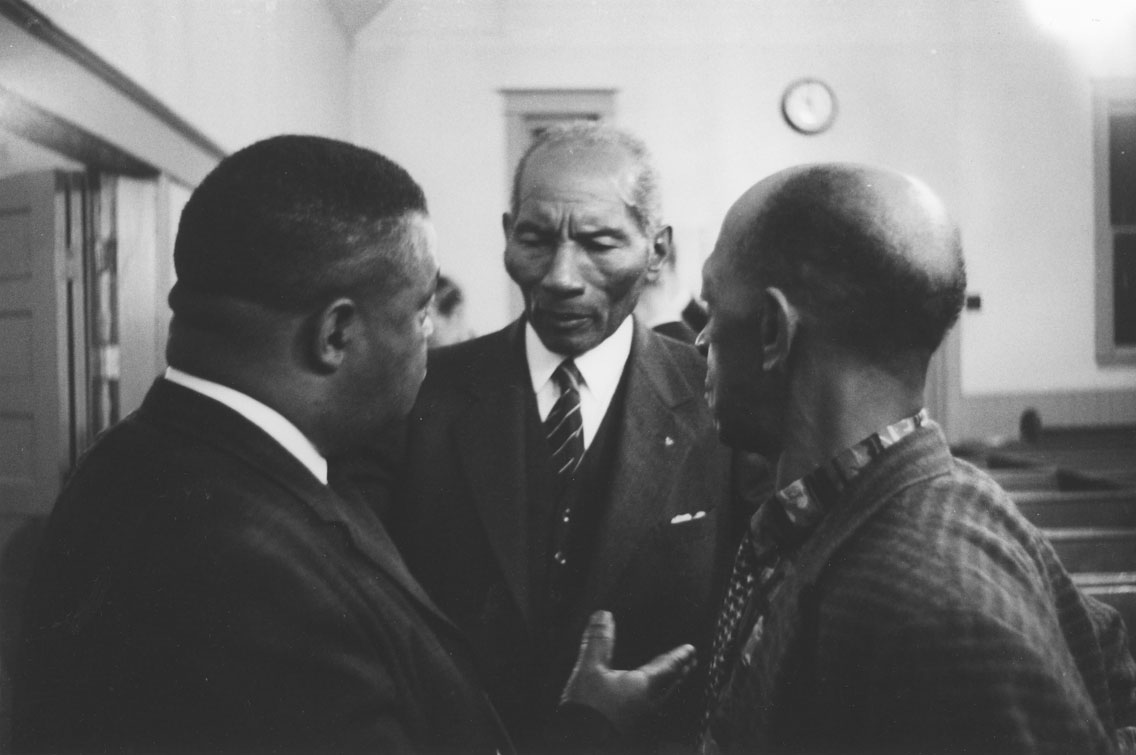
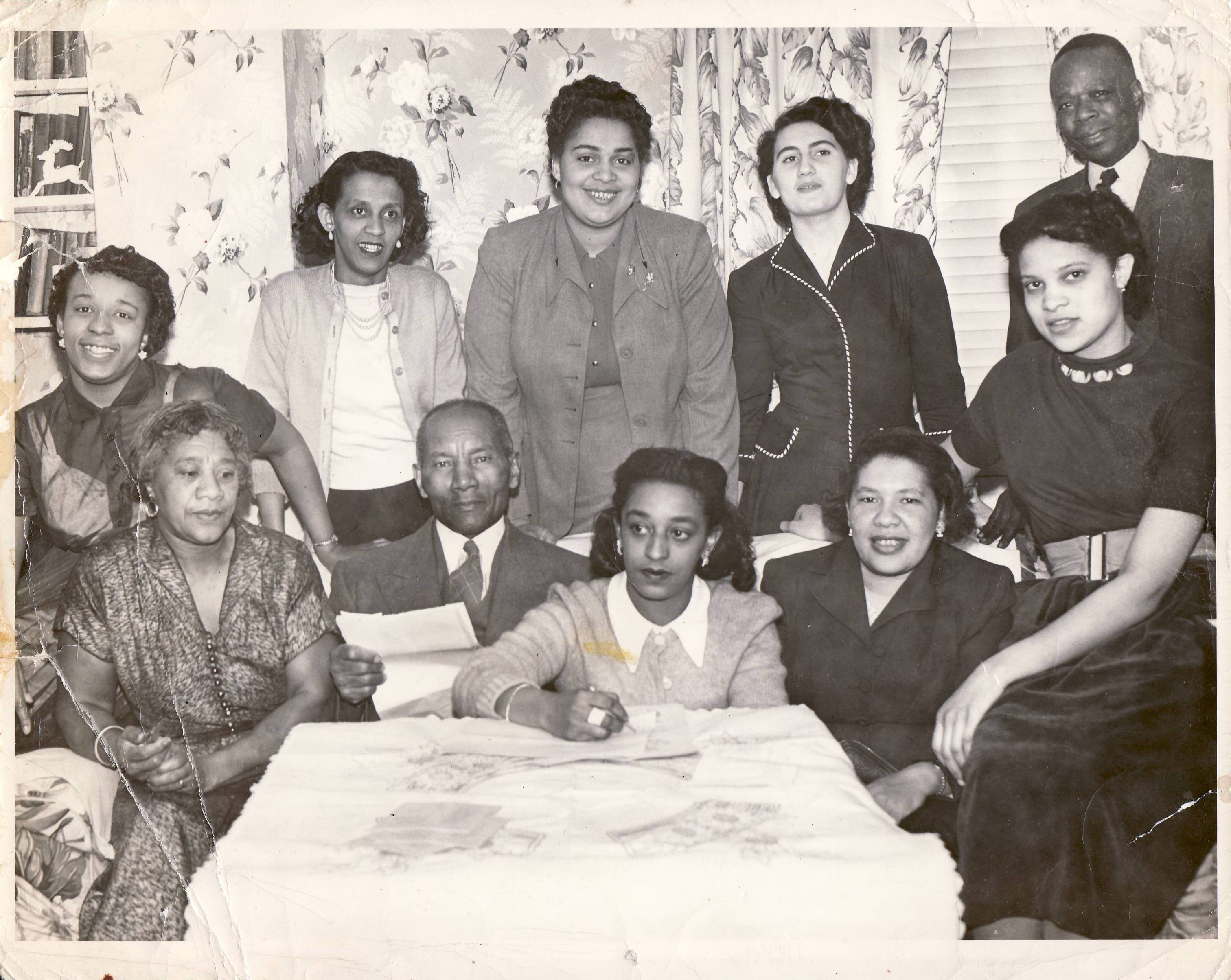
By June 1930, the Halifax Colored Citizens Improvement League (HCCIL) was formed. Led by Husbands, the League’s letterhead described the HCCIL as “[an] organization to further the interests of Canadians who are members of the [c]olored [r]ace” and as “dedicated to the welfare of underprivileged colored children.”
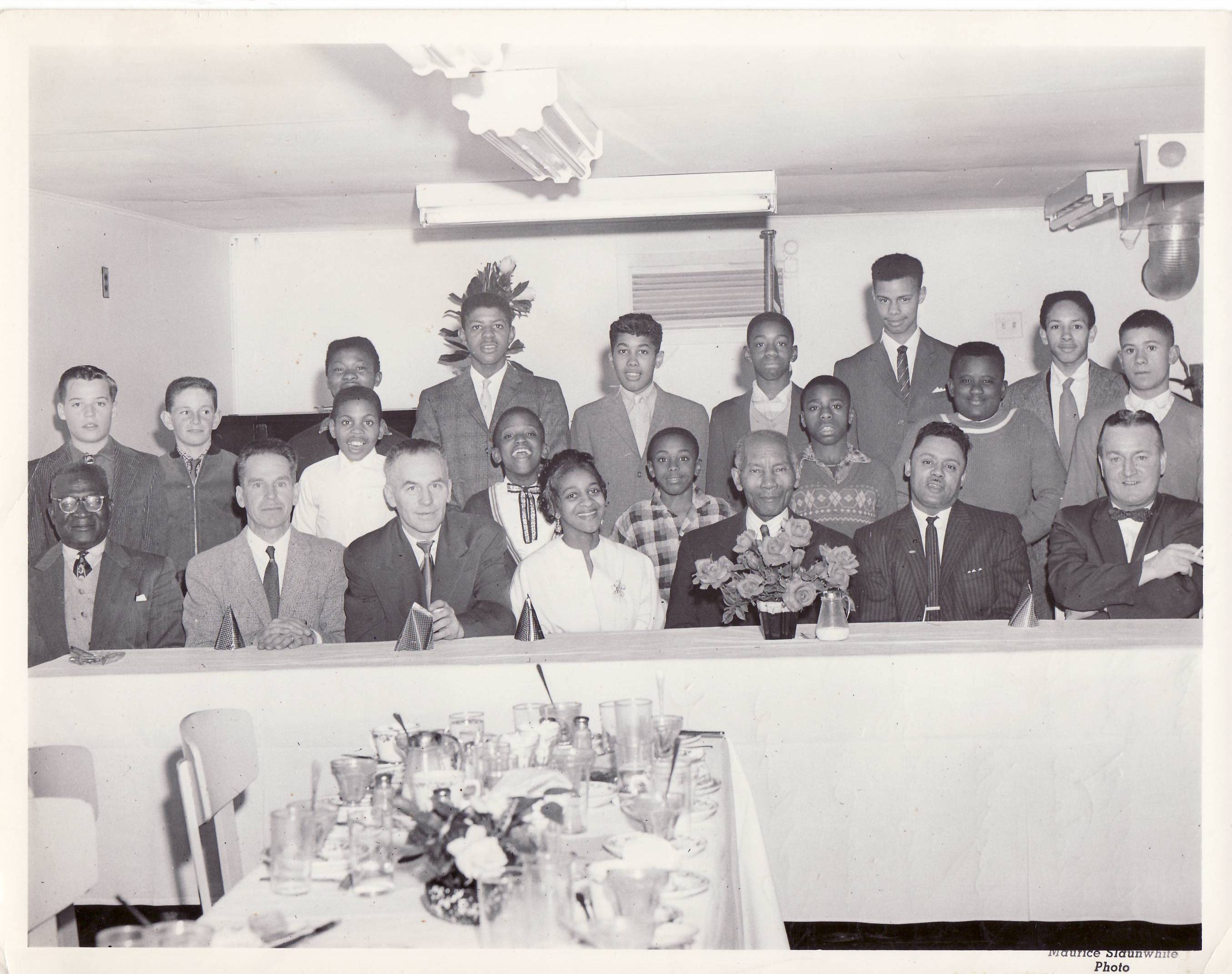
During the years that followed, the League worked to improve issues affecting Black Nova Scotian communities. It successfully pressured the province to remove a derogatory text from the elementary curriculum and desegregated the nursing profession alongside activist Althea “Pearleen” Oliver, wife of William Pearly Oliver. Decades of League advocacy culminated in the 1969 opening of the George Dixon Community Centre — fulfilling a vision first championed by Husbands more than 30 years earlier (see George Dixon). The League influenced many of the community’s subsequent developments, including the Coloured Education Centre (CEC) and the Nova Scotia Association for the Advancement of Coloured People (NSAACP).
Legacy
B.A. Husbands is fondly remembered by many African Nova Scotians (see African Canadians). Throughout his lifetime, he gained immense acknowledgement for his many efforts, receiving recognition from the likes of Sir Winston Churchill, Ramsay MacDonald, Franklin D. Roosevelt, Eleanor Roosevelt, Pope John XXIII, and John F. Kennedy.
Husbands died on 20 June 1968. Breaking the news, The Mail-Star titled their obituary “City Mourning Coloured Leader.” Halifax City Council unanimously extended its sympathy to his family, referring to Husbands as a “well-known and widely respected leader among the people of Halifax” who “did much for the advancement of colored citizens in the city.” Of his life the Mail-Star wrote: “The entire community has benefit[t]ed from his life and has gained distinction through the tributes which have been showered upon him. There are many who will miss the sight of his familiar figure about the streets of Halifax.”
Honours and Awards
- Coronation Medal (date unknown)
- Inductee, Ebony Promotions Wall of Fame (1978)
- Inductee, Rev. Dr. W.P. Oliver Wall of Honour, Black Cultural Centre for Nova Scotia (2004)