
Browse "Things"
-
Article
Triangular Trade
The triangular trade was a trade route connecting France, New France and the West Indies. It was established by France’s comptroller general of finance, Jean-Baptiste Colbert, and applied in Canada in 1667 by Jean Talon, the intendant of New France. The triangular trade enabled New France to diversify its economy and establish its position on the international trade networks.
"https://d3d0lqu00lnqvz.cloudfront.net/media/media/e010947298-v8.jpg" // resources/views/front/categories/view.blade.php
https://d3d0lqu00lnqvz.cloudfront.net/media/media/e010947298-v8.jpg
-
Article
Triathlon
The first recorded triathlon was held in California in 1974 by the San Diego Track and Field Club at Mission Bay. There are now more than 6 million athletes participating in the sport worldwide and almost 100 national federations.
"https://d3d0lqu00lnqvz.cloudfront.net/media/media/0d05c4b1-2c31-42f2-9ceb-6f343ec2291d.jpg" // resources/views/front/categories/view.blade.php
https://d3d0lqu00lnqvz.cloudfront.net/media/media/0d05c4b1-2c31-42f2-9ceb-6f343ec2291d.jpg
-
Article
Triceratops
Triceratops is a genus of plant-eating, horned dinosaur. There are two species of Triceratops: T. Horridus and T. Prorsus. Triceratops lived between 68 million and 66 million years ago during the Late Cretaceous period. The name Triceratops is of Greek origin and means “three-horned face.” Triceratops remains are among the most abundant dinosaur fossils found, though this is more true in the United States than in Canada. In 1921, paleontologist Charles M. Sternberg found the first Triceratops fossil from Canada, discovered in southern Saskatchewan. Paleontologists have also discovered Triceratops fossils in Alberta. (See also Dinosaurs Found in Canada.)
"https://d3d0lqu00lnqvz.cloudfront.net/triceratops/triceratopsspecimen.jpg" // resources/views/front/categories/view.blade.php
https://d3d0lqu00lnqvz.cloudfront.net/triceratops/triceratopsspecimen.jpg
-
Article
Trillium
Trillium, common and generic name of a perennial plant of the Trilliaceae family (sometimes classified as a subfamily of the LILY family). The name derives from the arrangement of leaves, petals and sepals in groups of 3. The
"https://d3d0lqu00lnqvz.cloudfront.net/media/media/aa1088a8-87d6-4b84-8811-f34fbfa0b9a7.jpg" // resources/views/front/categories/view.blade.php
https://d3d0lqu00lnqvz.cloudfront.net/media/media/aa1088a8-87d6-4b84-8811-f34fbfa0b9a7.jpg
-
Article
Trilobite
Trilobites are extinct marine arthropods of the Palaeozoic era (544–300 million years ago). Their closest modern relative is the horseshoe crab. Trilobite fossils are relatively abundant throughout Canada.
"https://d3d0lqu00lnqvz.cloudfront.net/trilobite/Trilobite-Fossil.jpg" // resources/views/front/categories/view.blade.php
https://d3d0lqu00lnqvz.cloudfront.net/trilobite/Trilobite-Fossil.jpg
-
Article
Triticale
Triticale (Triticosecale Wittmack), the first man-made crop species, is initially produced by crossing wheat (genus Triticum) with rye (Secale), and resembles wheat.
"https://d3d0lqu00lnqvz.cloudfront.net/media/media/968ada8b-613f-4a8f-9cfe-228d13b3a75d.jpg" // resources/views/front/categories/view.blade.php
https://d3d0lqu00lnqvz.cloudfront.net/media/media/968ada8b-613f-4a8f-9cfe-228d13b3a75d.jpg
-
Article
Trivial Pursuit
Trivial Pursuit is a board game that was invented by Canadians Chris Haney and Scott Abbott in December 1979. The game quickly became a massive international success and a defining pop culture artifact of the 1980s. It ushered in a new wave of board game popularity and was called “the biggest phenomenon in game history” by Time Magazine. First introduced in Canada in 1981 and in the United States in 1982, the game had sold more than 20 million copies by 1984. Total sales are estimated to have exceeded $1 billion and more than 100 million copies worldwide. The game is named after a common term for a frivolous activity (like a board game), which also literally describes the nature of the game (players answer trivia questions in pursuit of the most correct answers). Trivial Pursuit has been translated into multiple languages and re-issued in numerous editions.
"https://d3d0lqu00lnqvz.cloudfront.net/Trivial_Pursuit_at_Pyynikin_Taproom.jpg" // resources/views/front/categories/view.blade.php
https://d3d0lqu00lnqvz.cloudfront.net/Trivial_Pursuit_at_Pyynikin_Taproom.jpg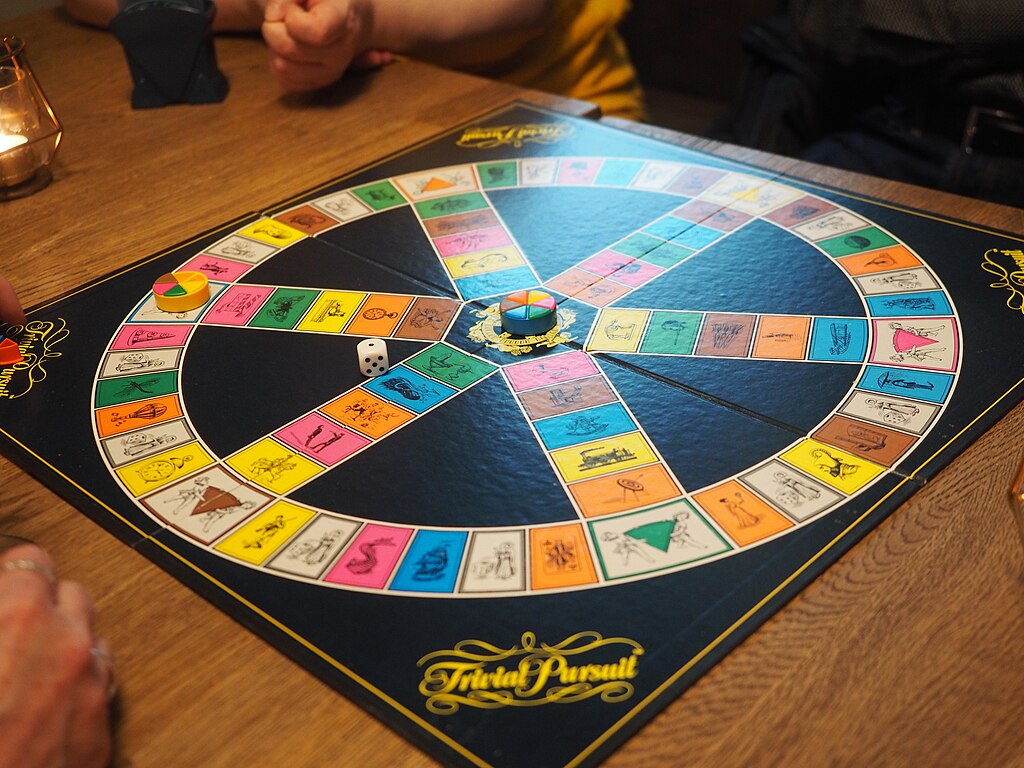
-
Macleans
Troops Move Into East Timor
The two Huey helicopters carrying Maj. Alain Gauthier and platoon commanders from Canada's Royal 22nd Regiment drifted low over the coastal flats of southern East Timor. Below, the giant leaves of banana trees swayed gently in what passes for breeze in the torpid tropical heat.This article was originally published in Maclean's Magazine on November 8, 1999
"https://thecanadianencyclopedia.ca/images/tce_placeholder.jpg?v=e9dca980c9bdb3aa11e832e7ea94f5d9" // resources/views/front/categories/view.blade.php
https://thecanadianencyclopedia.ca/images/tce_placeholder.jpg?v=e9dca980c9bdb3aa11e832e7ea94f5d9
-
Article
Troupes de la Marine
The Troupes de la Marine (also known as the Compagnies franches de la Marine) were French regular infantry soldiers under the control of the Ministère de la Marine. Their key purpose was to defend France’s overseas colonial possessions, including New-France. These soldiers can be considered Canada’s first permanent regular army.
"https://d3d0lqu00lnqvz.cloudfront.net/media/media/c006216k.jpg" // resources/views/front/categories/view.blade.php
https://d3d0lqu00lnqvz.cloudfront.net/media/media/c006216k.jpg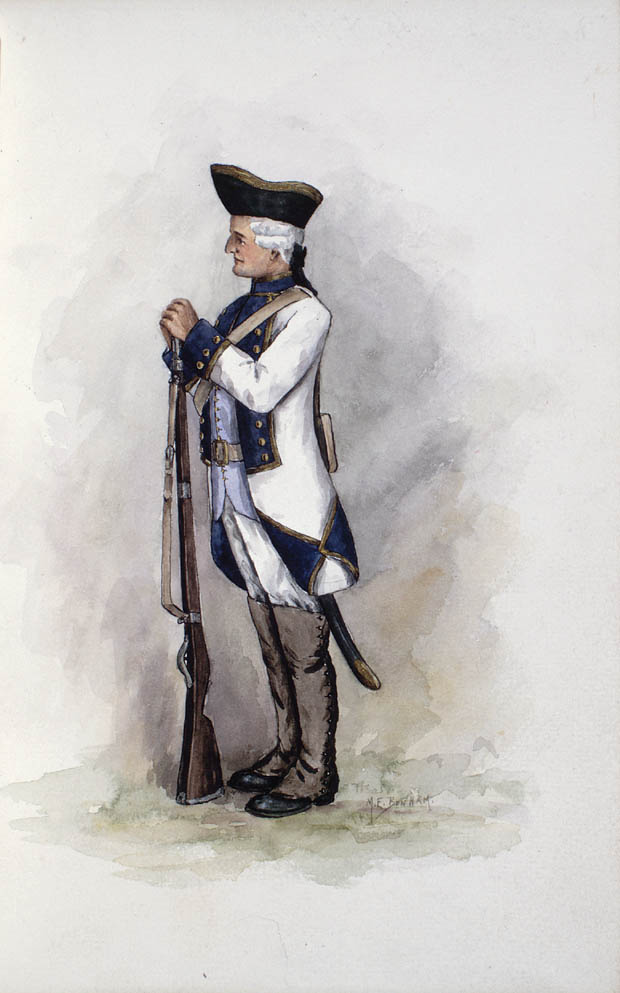
-
Article
Trout in Canada
Trout is the common name given to the species of freshwater fish from three genera, all members of the salmon family (Salmonidae). Trouts include the brown trout (Salmo trutta) and Atlantic salmon (S. Salar). Rainbow and cutthroat trouts are placed in the genus Oncorhynchus (O. mykiss and O. clarki respectively) along with Pacific salmon. These three species all originated in Pacific drainages. Several chars of the genus Salvelinus are also commonly called trout, including lake trout (S. namaycush), brook or speckled trout (S. fontinalis) and bull trout (S. confluentus). The bull trout is the provincial fish of Alberta, and the brook trout is the provincial fish of Nova Scotia.
"https://d3d0lqu00lnqvz.cloudfront.net/trout/rainbow-trout.jpg" // resources/views/front/categories/view.blade.php
https://d3d0lqu00lnqvz.cloudfront.net/trout/rainbow-trout.jpg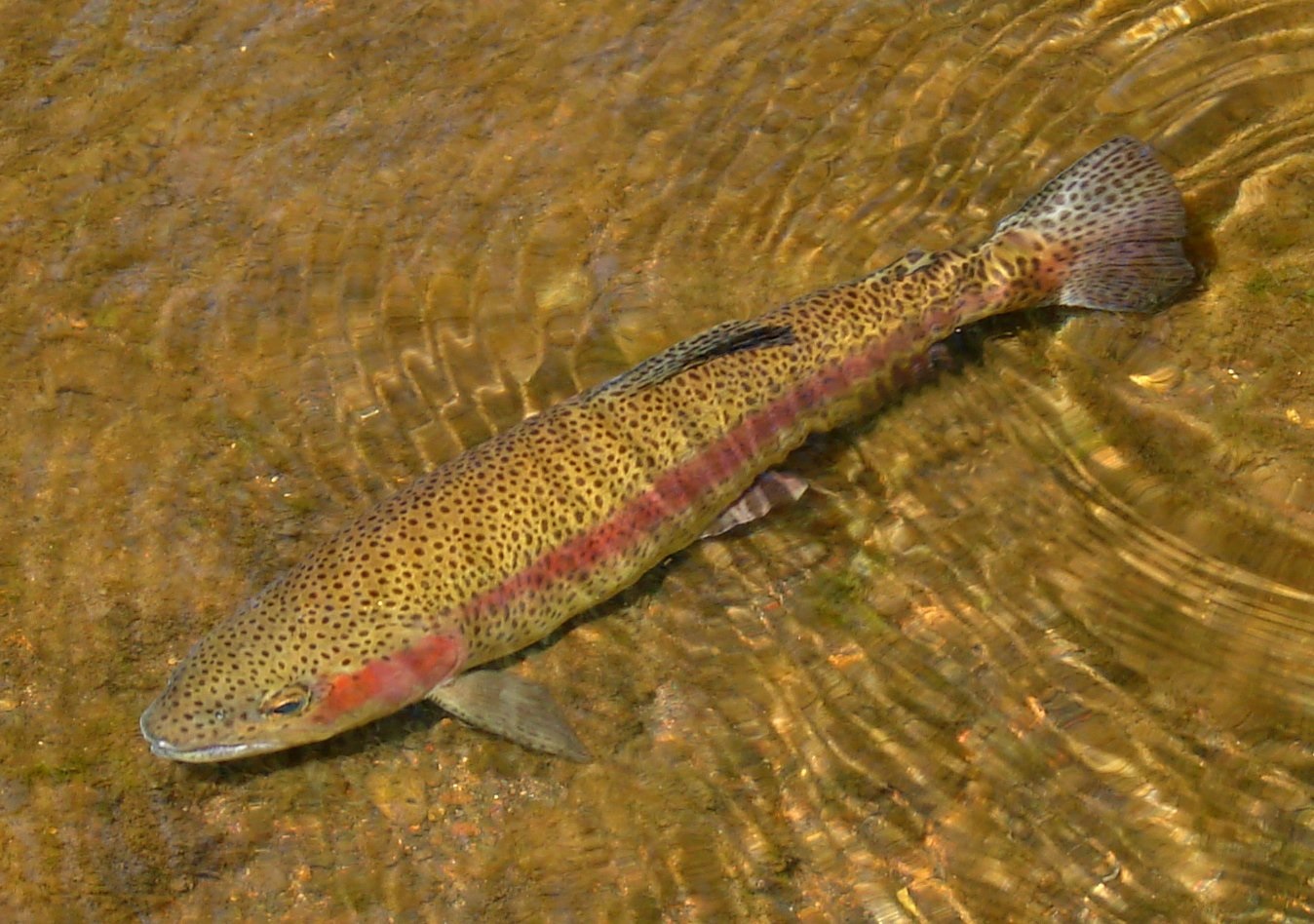
-
Macleans
Truscott's Quest for Vindication Continues
This article was originally published in Maclean’s magazine on November 8, 2004. Partner content is not updated. Once a 14-year-old boy on death row, Steven Truscott was for the longest time Canada's poster case for the abolition of capital punishment. His 1959 conviction for the rape and strangulation of grade-school friend Lynne Harper, 12, shocked and divided Canadians for decades.
"https://thecanadianencyclopedia.ca/images/tce_placeholder.jpg?v=e9dca980c9bdb3aa11e832e7ea94f5d9" // resources/views/front/categories/view.blade.php
https://thecanadianencyclopedia.ca/images/tce_placeholder.jpg?v=e9dca980c9bdb3aa11e832e7ea94f5d9
-
Article
Trust Company
A trust company is the only legal entity that can act as a trustee by holding property in TRUST for such functions as executors, trustees and administrators of estates, personal trusts, PENSION plans and MUTUAL FUNDS.
"https://thecanadianencyclopedia.ca/images/tce_placeholder.jpg?v=e9dca980c9bdb3aa11e832e7ea94f5d9" // resources/views/front/categories/view.blade.php
https://thecanadianencyclopedia.ca/images/tce_placeholder.jpg?v=e9dca980c9bdb3aa11e832e7ea94f5d9
-
Article
Truth and Reconciliation Commission
The Truth and Reconciliation Commission of Canada (TRC) was officially launched in 2008 as part of the Indian Residential Schools Settlement Agreement (IRSSA). Intended to be a process that would guide Canadians through the difficult discovery of the facts behind the residential school system, the TRC was also meant to lay the foundation for lasting reconciliation across Canada.This is the full-length entry about the Truth and Reconciliation Commission. For a plain language summary, please see Truth and Reconciliation Commission (Plain Language Summary).
"https://d3d0lqu00lnqvz.cloudfront.net/media/media/2bd71aaf-ebc5-44e0-9f91-e4d07b16e81d.jpg" // resources/views/front/categories/view.blade.php
https://d3d0lqu00lnqvz.cloudfront.net/media/media/2bd71aaf-ebc5-44e0-9f91-e4d07b16e81d.jpg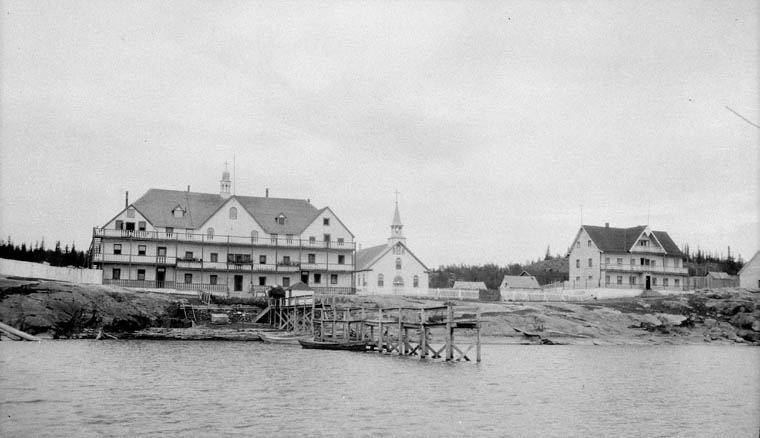
-
Article
Truth and Reconciliation Commission of Canada: Calls to Action
The Truth and Reconciliation Commission of Canada (TRC) was officially launched in 2008 as part of the Indian Residential Schools Settlement Agreement. This multi-faceted agreement was intended to compensate survivors for the harms they suffered in residential schools, and to work towards a more just and equitable future for Indigenous peoples. The TRC was also meant to lay the foundation for lasting reconciliation across Canada. The TRC’s six-volume final report was released on 15 December 2015. It argued that the residential school program resulted in cultural genocide and outlined 94 Calls to Action.
"https://d3d0lqu00lnqvz.cloudfront.net/media/media/a042133-v6.jpg" // resources/views/front/categories/view.blade.php
https://d3d0lqu00lnqvz.cloudfront.net/media/media/a042133-v6.jpg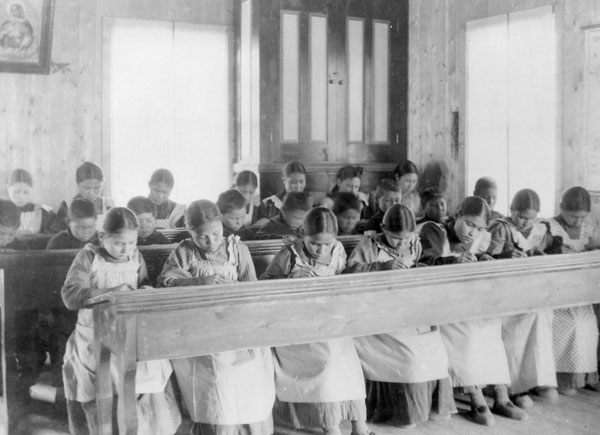
-
Article
Truth and Reconciliation Commission (Plain-Language Summary)
The Truth and Reconciliation Commission (TRC) started working in 2008. It was a result of the Indian Residential Schools Settlement Agreement (IRSSA). The IRSSA recognized the suffering and trauma experienced by Indigenous students at residential schools. It also provided financial compensation (money) to the students. The TRC performed many tasks. It created a national research centre. It collected documents from churches and government. It held events where students told their stories. Also, it did research about residential schools and issued a final report. (See also Reconciliation in Canada.)
"https://d3d0lqu00lnqvz.cloudfront.net/media/media/2bd71aaf-ebc5-44e0-9f91-e4d07b16e81d.jpg" // resources/views/front/categories/view.blade.php
https://d3d0lqu00lnqvz.cloudfront.net/media/media/2bd71aaf-ebc5-44e0-9f91-e4d07b16e81d.jpg