
Browse "Politics & Law"
-
Article
Representative Government
Representative government is a political system in which an elected assembly governs. Members of the assembly act as the people's representatives in government.
"https://d3d0lqu00lnqvz.cloudfront.net/media/media/b82af0bf-c28c-4f44-be97-09df6c7f769a.jpg" // resources/views/front/categories/view.blade.php
https://d3d0lqu00lnqvz.cloudfront.net/media/media/b82af0bf-c28c-4f44-be97-09df6c7f769a.jpg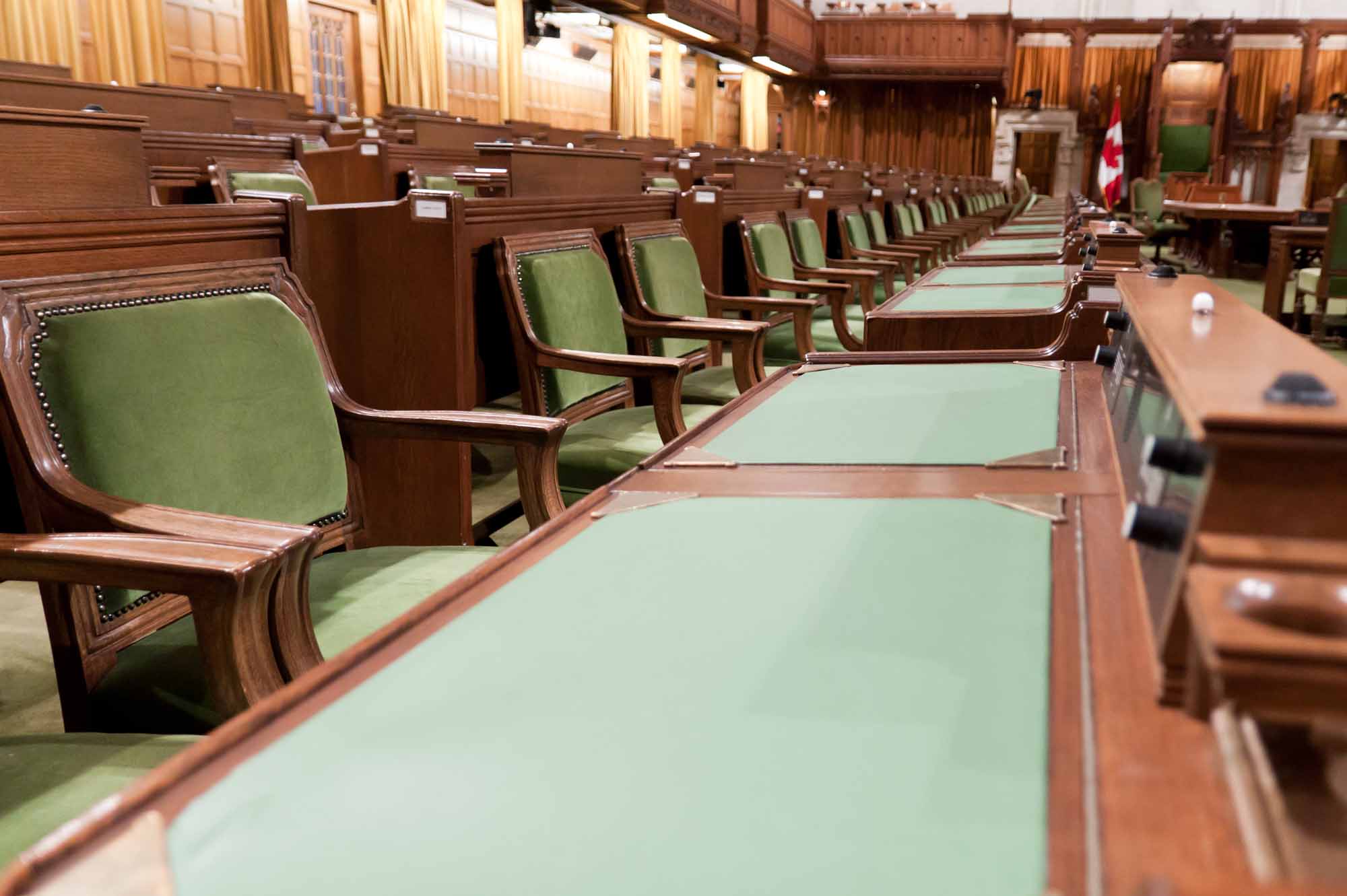
-
Article
Residential Tenancies Act (Reference)
The Supreme Court of Canada (1996) held constitutionally valid the legislative provisions of the Residential Tenancies Act of Nova Scotia which empowered the director of residential letting to act as a mediator in order to settle differences between landlords and tenants.
"https://thecanadianencyclopedia.ca/images/tce_placeholder.jpg?v=e9dca980c9bdb3aa11e832e7ea94f5d9" // resources/views/front/categories/view.blade.php
https://thecanadianencyclopedia.ca/images/tce_placeholder.jpg?v=e9dca980c9bdb3aa11e832e7ea94f5d9
-
Article
Resource Management
Resource management usually refers to the responsibility of governments to ensure that natural resources under their jurisdiction are used wisely or conserved.
"https://thecanadianencyclopedia.ca/images/tce_placeholder.jpg?v=e9dca980c9bdb3aa11e832e7ea94f5d9" // resources/views/front/categories/view.blade.php
https://thecanadianencyclopedia.ca/images/tce_placeholder.jpg?v=e9dca980c9bdb3aa11e832e7ea94f5d9
-
Article
Resource Rights
Natural-resource development has played a major role in Canada's economy and continues to be a focus of national concerns.
"https://d3d0lqu00lnqvz.cloudfront.net/media/media/b714baa3-b8d8-4657-a436-7f27a8b1c819.jpg" // resources/views/front/categories/view.blade.php
https://d3d0lqu00lnqvz.cloudfront.net/media/media/b714baa3-b8d8-4657-a436-7f27a8b1c819.jpg
-
Article
Restitution (Legal)
Restitution is a legal response calculated to take away a gain or enrichment that is considered to be inappropriate. It developed to address situations of unjust enrichment that were not adequately addressed by the laws of tort or contract.
"https://thecanadianencyclopedia.ca/images/tce_placeholder.jpg?v=e9dca980c9bdb3aa11e832e7ea94f5d9" // resources/views/front/categories/view.blade.php
https://thecanadianencyclopedia.ca/images/tce_placeholder.jpg?v=e9dca980c9bdb3aa11e832e7ea94f5d9
-
Article
Revenue Canada
In 1927 the Department of National Revenue Act established the Department of National Revenue by renaming the Department of Customs and Excise.
"https://thecanadianencyclopedia.ca/images/tce_placeholder.jpg?v=e9dca980c9bdb3aa11e832e7ea94f5d9" // resources/views/front/categories/view.blade.php
https://thecanadianencyclopedia.ca/images/tce_placeholder.jpg?v=e9dca980c9bdb3aa11e832e7ea94f5d9
-
Article
Rhinoceros Party
The Rhinoceros Party was founded in 1963 by a group of humorists led by Montreal doctor Jacques Ferron to poke fun at federal election campaigns. First fielding candidates for 1964 by-elections, it participated in every subsequent general election until 1985. Eighty-nine candidates (across Canada) represented the party in the federal election of 1984; it received 99,207 votes, 0.790% of the total votes cast. In May 1985, shortly after the death of Ferron, the party was officially dissolved.
"https://thecanadianencyclopedia.ca/images/tce_placeholder.jpg?v=e9dca980c9bdb3aa11e832e7ea94f5d9" // resources/views/front/categories/view.blade.php
https://thecanadianencyclopedia.ca/images/tce_placeholder.jpg?v=e9dca980c9bdb3aa11e832e7ea94f5d9
-
Article
Rideau Hall
A sophisticated estate that incorporated the primary elements of English landscape style, Rideau Hall was thought to be in keeping with the stature and lifestyle of the Queen's representative in Canada.
"https://d3d0lqu00lnqvz.cloudfront.net/media/media/65601146-87c4-4c0a-9747-e9ea04708cd6.jpg" // resources/views/front/categories/view.blade.php
https://d3d0lqu00lnqvz.cloudfront.net/media/media/65601146-87c4-4c0a-9747-e9ea04708cd6.jpg
-
Article
Rights Revolution in Canada
The time between the end of the Second World War and the signing of the Canadian Charter of Rights and Freedoms in 1982 is often referred to as the Rights Revolution in Canada. During this period, awareness of and support for human rights increased. At the grassroots level, women, queer communities, Indigenous peoples, and disability activists pushed for greater inclusion and made significant rights gains. At the same time, both federal and provincial governments passed laws that prohibited discrimination and protected human rights for more people across Canada.
"https://d3d0lqu00lnqvz.cloudfront.net/media/media/60a22170-8899-482c-a931-09f5860302dd.jpg" // resources/views/front/categories/view.blade.php
https://d3d0lqu00lnqvz.cloudfront.net/media/media/60a22170-8899-482c-a931-09f5860302dd.jpg
-
Article
RJR-MacDonald Case
In the RJR-MacDonald case (1995), a 7-2 majority of the Supreme Court of Canada concluded that the federal law regulating the use of tobacco products rested on Parliament's jurisdiction in the criminal law area, in the division of powers sector, as set out in section 91 (27) of the Constitution Act, 1867.
"https://thecanadianencyclopedia.ca/images/tce_placeholder.jpg?v=e9dca980c9bdb3aa11e832e7ea94f5d9" // resources/views/front/categories/view.blade.php
https://thecanadianencyclopedia.ca/images/tce_placeholder.jpg?v=e9dca980c9bdb3aa11e832e7ea94f5d9
-
Article
Robbery
Robbery is one of the earliest and most serious felonies and was once punishable by death. Robbery is a serious, indictable offence under the Canadian CRIMINAL CODE (s302), punishable by life imprisonment.
"https://thecanadianencyclopedia.ca/images/tce_placeholder.jpg?v=e9dca980c9bdb3aa11e832e7ea94f5d9" // resources/views/front/categories/view.blade.php
https://thecanadianencyclopedia.ca/images/tce_placeholder.jpg?v=e9dca980c9bdb3aa11e832e7ea94f5d9
-
Article
Robert Latimer Case
In 1993, Saskatchewan farmer Robert Latimer killed his severely disabled daughter Tracy. His prosecution for murder attracted national and international attention, and raised contentious issues concerning euthanasia.
"https://d3d0lqu00lnqvz.cloudfront.net/media/media/a7e37b63-d2cb-4615-8eeb-b832a758bcf2.jpg" // resources/views/front/categories/view.blade.php
https://d3d0lqu00lnqvz.cloudfront.net/media/media/a7e37b63-d2cb-4615-8eeb-b832a758bcf2.jpg
-
Article
Assisted Suicide in Canada: The Rodriguez Case (1993)
In the early 1990s, Sue Rodriguez submitted to the courts that section 241(b) of the Criminal Code, which prohibited assisted suicide, was constitutionally invalid. (See also Assisted Suicide in Canada.) Rodriguez suffered from amyotrophic lateral sclerosis (ALS) and wanted the legal right to have a physician’s help in ending her own life. On 30 September 1993, a 5–4 majority of the Supreme Court of Canada upheld section 241(b), declaring that it was constitutional and did not violate the Canadian Charter of Rights and Freedoms. Nonetheless, Rodriguez committed suicide in February 1994, assisted by an anonymous doctor and in the presence of NDP MP Svend Robinson, who had championed her cause. In 2015, the Supreme Court decided unanimously to strike down the prohibition and allow medically assisted suicide, which was officially legalized with the passing of the Medical Assistance in Dying (MAID) Act on 17 June 2016. In March 2021, new legislation was passed that expanded eligibility for MAID. This article contains sensitive material that may not be suitable for all audiences.
"https://d3d0lqu00lnqvz.cloudfront.net/media/Twitter_Cards/supreme court.jpg" // resources/views/front/categories/view.blade.php
https://d3d0lqu00lnqvz.cloudfront.net/media/Twitter_Cards/supreme court.jpg
-
Article
Romeo Phillion Case
Romeo Phillion was the longest-serving prisoner in Canadian history to have a murder conviction overturned.
"https://d3d0lqu00lnqvz.cloudfront.net/media/media/60d763f2-60f1-49b9-ae90-ea3f0d0916ec.jpg" // resources/views/front/categories/view.blade.php
https://d3d0lqu00lnqvz.cloudfront.net/media/media/60d763f2-60f1-49b9-ae90-ea3f0d0916ec.jpg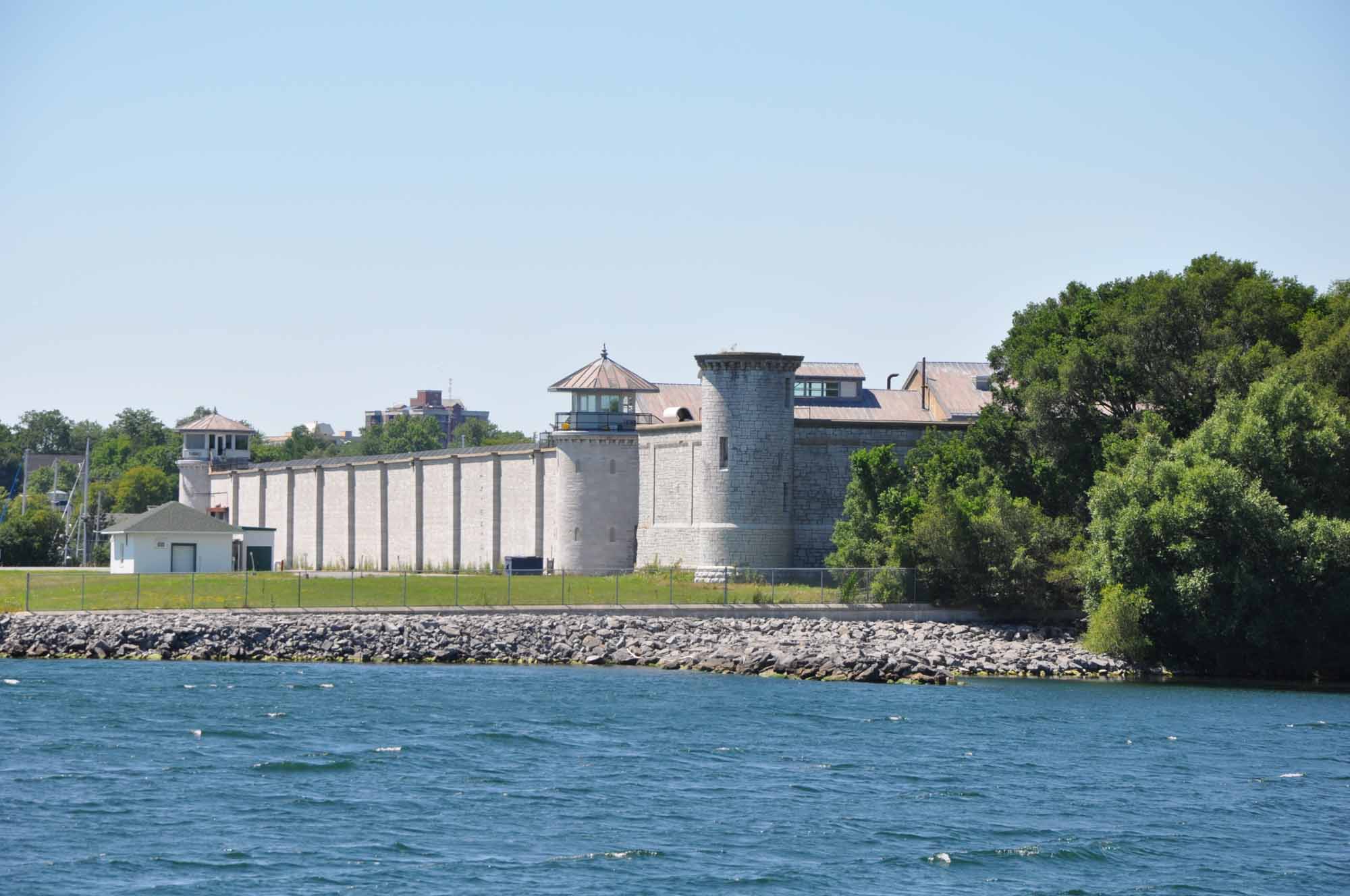
-
Article
Roncarelli v Duplessis
In 1946, Maurice DUPLESSIS, then premier and attorney general of Qué, caused the Liquor Commission chairman to revoke the liquor licence of Frank Roncarelli, a Montréal restaurant owner, so ruining the restaurant.
"https://d3d0lqu00lnqvz.cloudfront.net/media/media/22180159-911b-4d85-94c5-fc2a39cd939d.jpg" // resources/views/front/categories/view.blade.php
https://d3d0lqu00lnqvz.cloudfront.net/media/media/22180159-911b-4d85-94c5-fc2a39cd939d.jpg