
Browse "Politics & Law"
-
Macleans
Parliament Legislates End to Strike
While the two sides in the rail strike remained at loggerheads last week, the government moved quickly to end the dispute.This article was originally published in Maclean's Magazine on April 3, 1995
"https://d3d0lqu00lnqvz.cloudfront.net/media/media/629e4435-3bac-43fb-8d0d-e7676d4693a9.jpg" // resources/views/front/categories/view.blade.php
https://d3d0lqu00lnqvz.cloudfront.net/media/media/629e4435-3bac-43fb-8d0d-e7676d4693a9.jpg
-
Article
Canadian Parliamentary Press Gallery
The Canadian Parliamentary Press Gallery (CPPG) is a self-governing corporation that consists of accredited journalists who cover Parliament and other Ottawa-based governmental organizations and institutions.
"https://d3d0lqu00lnqvz.cloudfront.net/media/media/8981a05d-eeb8-4088-b564-b75deee61391.jpg" // resources/views/front/categories/view.blade.php
https://d3d0lqu00lnqvz.cloudfront.net/media/media/8981a05d-eeb8-4088-b564-b75deee61391.jpg
-
Macleans
Parrott's Killer Convicted
This article was originally published in Maclean’s magazine on April 26, 1999. Partner content is not updated. The porch at Peter and Lesley Parrott's farm northwest of Toronto overlooks rolling hills, a lawn of scattered daffodils and a heart-shaped flower bed adorned by a weeping crab-apple tree. The tree was planted on Sept. 28, 1995 - what would have been their daughter Alison's 21st birthday.
"https://thecanadianencyclopedia.ca/images/tce_placeholder.jpg?v=e9dca980c9bdb3aa11e832e7ea94f5d9" // resources/views/front/categories/view.blade.php
https://thecanadianencyclopedia.ca/images/tce_placeholder.jpg?v=e9dca980c9bdb3aa11e832e7ea94f5d9
-
Article
Parti bleu
Favouring an attitude known as la survivance and opposing the anticlerical and radical Parti rouge, the Parti bleu received the support of the Roman Catholic clergy, making it the most powerful political party in Canada East (Québec).
"https://d3d0lqu00lnqvz.cloudfront.net/media/media/3f9db44a-f917-48c9-8458-e59d308093bf.jpg" // resources/views/front/categories/view.blade.php
https://d3d0lqu00lnqvz.cloudfront.net/media/media/3f9db44a-f917-48c9-8458-e59d308093bf.jpg
-
Article
Parti canadien
Formed at the turn of the 19th century, the Parti canadien was an alliance of French Canadian deputies in the elected Legislative Assembly of Lower Canada (Québec). First led by Pierre-Stanislas Bédard, the party used the assembly as a forum to promote its authority in the colonial government. The Parti canadien was the first political party in Canadian history.
"https://d3d0lqu00lnqvz.cloudfront.net/media/media/fff11157-7177-4659-9035-c83489ea72d7.jpg" // resources/views/front/categories/view.blade.php
https://d3d0lqu00lnqvz.cloudfront.net/media/media/fff11157-7177-4659-9035-c83489ea72d7.jpg
-
Article
Parti national
The Parti national was a political party founded in 1871 by Québec Liberals including Honoré MERCIER and Louis Jetté. It unsuccessfully attempted to acquire the clerical support for liberalism that the PARTI ROUGE lacked. Mercier revived it in 1885 during the uproar over Louis RIEL's execution.
"https://thecanadianencyclopedia.ca/images/tce_placeholder.jpg?v=e9dca980c9bdb3aa11e832e7ea94f5d9" // resources/views/front/categories/view.blade.php
https://thecanadianencyclopedia.ca/images/tce_placeholder.jpg?v=e9dca980c9bdb3aa11e832e7ea94f5d9
-
Article
Parti pris
Parti pris was a political and cultural magazine founded 1963 by Montréal writers André MAJOR, Paul CHAMBERLAND, Pierre Maheu, Jean-Marc Piotte and André Brochu, all in their twenties and convinced that Québec needed a revolution to produce an independent, socialist and secular state.
"https://thecanadianencyclopedia.ca/images/tce_placeholder.jpg?v=e9dca980c9bdb3aa11e832e7ea94f5d9" // resources/views/front/categories/view.blade.php
https://thecanadianencyclopedia.ca/images/tce_placeholder.jpg?v=e9dca980c9bdb3aa11e832e7ea94f5d9
-
Article
Parti rouge
Successor of the Parti patriote, the Parti rouge was a radical liberal political party from Canada East (Québec). From the 1840s to Confederation, the party stood in stark opposition to George-Étienne Cartier’s conservative Parti bleu. Fighting for democratic reforms, such as universal suffrage, the party allied with George Brown’s Clear Grits, even forming a coalition government for a few days in 1858. The Parti rouge was never a dominant political force in Canada East, owing to its radicalism and anticlerical attitudes. Following Confederation, which it opposed, moderate members of the Parti rouge merged with the Clear Grits, creating the Liberal Party of Canada.
"https://d3d0lqu00lnqvz.cloudfront.net/media/media/6b5bd6fa-ef94-4e9a-aa76-54ef4f795ddf.jpg" // resources/views/front/categories/view.blade.php
https://d3d0lqu00lnqvz.cloudfront.net/media/media/6b5bd6fa-ef94-4e9a-aa76-54ef4f795ddf.jpg
-
Article
Political Party Financing in Canada
The financial activities of political parties in Canada were largely unregulated until the Election Expenses Act was passed in 1974. Canada now has an extensive regime regulating federal political party financing, both during and outside of election periods. Such regulation encourages greater transparency of political party activities. It also ensures a fair electoral system that limits the advantages of those with more money. Political parties and candidates are funded both privately and publicly. Election finance laws govern how parties and candidates are funded, as well as the ways in which they can spend money.
"https://d3d0lqu00lnqvz.cloudfront.net/media/media/3217b36a-f0cf-4108-91d7-0d45276492fc.jpg" // resources/views/front/categories/view.blade.php
https://d3d0lqu00lnqvz.cloudfront.net/media/media/3217b36a-f0cf-4108-91d7-0d45276492fc.jpg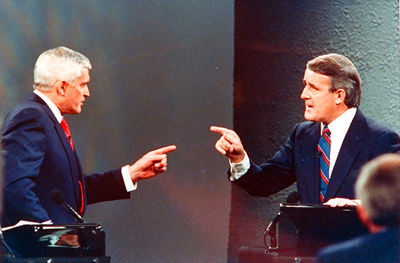
-
Article
Patriation of the Constitution
In 1982, Canada “patriated” its Constitution. It transferred the country’s highest law, the British North America Act (which was renamed the Constitution Act, 1867), from the authority of the British Parliament to Canada’s federal and provincial legislatures. The Constitution was also updated with a new amending formula and a Charter of Rights and Freedoms. These changes occurred after a fierce, 18-month political and legal struggle that dominated headlines and the agendas of every government in the country.
"https://thecanadianencyclopedia.ca/images/tce_placeholder.jpg?v=e9dca980c9bdb3aa11e832e7ea94f5d9" // resources/views/front/categories/view.blade.php
https://thecanadianencyclopedia.ca/images/tce_placeholder.jpg?v=e9dca980c9bdb3aa11e832e7ea94f5d9
-
Editorial
Editorial: The Canadian Constitution Comes Home
The following article is an editorial written by The Canadian Encyclopedia staff. Editorials are not usually updated. In April 1982, as an Ottawa winter turned to spring, Queen Elizabeth II made her eleventh visit to Canada. She had come to make it official. After more than a half-century of trying, Canada would have its own constitution. A Canadian-made constitution was unfinished business from the country’s colonial past. The British North America Act in 1867 set out the jurisdictions of the federal and provincial governments and created the Dominion of Canada. It was, however, a law of the British Parliament, and it could only be amended (changed) by the British.
"https://d3d0lqu00lnqvz.cloudfront.net/media/media/231555c5-c09f-428e-8a64-bbd73e0e0c0a.jpg" // resources/views/front/categories/view.blade.php
https://d3d0lqu00lnqvz.cloudfront.net/media/media/231555c5-c09f-428e-8a64-bbd73e0e0c0a.jpg
-
Article
Political Patronage in Canada
Political patronage in Canada is a broad term covering the granting of favours, money, jobs, government contracts or appointments to individuals or corporations in exchange for political or monetary support. Patronage can range from the relatively benign — political campaign members are frequently hired as staff members for elected officials — to outright corruption and fraud. Patronage is linked to lobbying, conflict of interest and corruption and is therefore a politically volatile subject. Though some efforts have been made to discourage patronage, the practice remains a fixture of Canadian political life.
"https://thecanadianencyclopedia.ca/images/tce_placeholder.jpg?v=e9dca980c9bdb3aa11e832e7ea94f5d9" // resources/views/front/categories/view.blade.php
https://thecanadianencyclopedia.ca/images/tce_placeholder.jpg?v=e9dca980c9bdb3aa11e832e7ea94f5d9
-
Article
Paul Bernardo and Karla Homolka Case
The crimes of Paul Bernardo and his wife Karla Homolka were among the most horrifying and controversial in Canadian history. This article contains sensitive material that may not be suitable for all audiences.
"https://d3d0lqu00lnqvz.cloudfront.net/media/media/60d763f2-60f1-49b9-ae90-ea3f0d0916ec.jpg" // resources/views/front/categories/view.blade.php
https://d3d0lqu00lnqvz.cloudfront.net/media/media/60d763f2-60f1-49b9-ae90-ea3f0d0916ec.jpg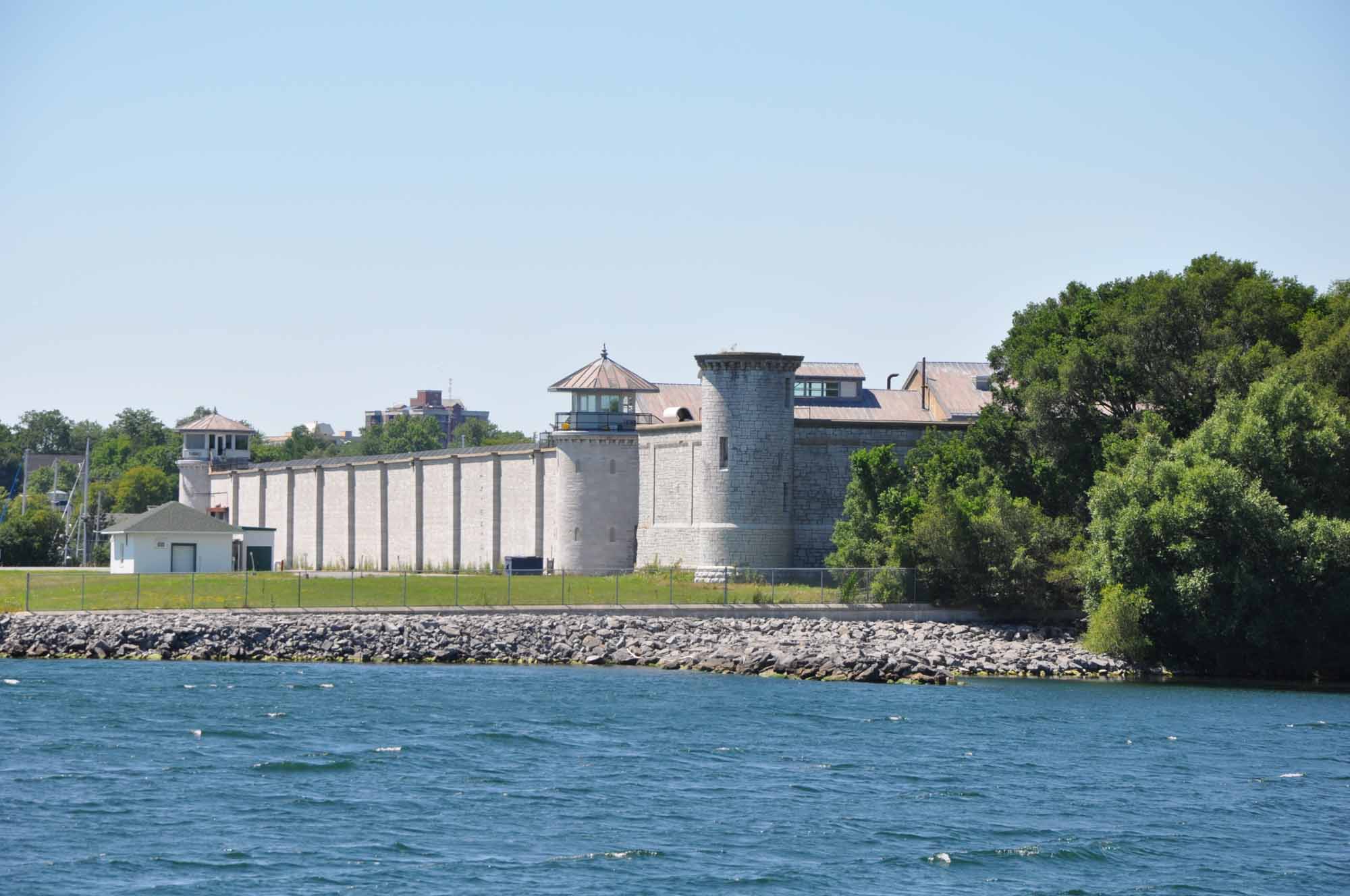
-
Article
Peace and Friendship Treaties
Between 1725 and 1779, Britain signed a series of treaties with various Mi’kmaq, Wolastoqiyik (Maliseet), Abenaki, Penobscot and Passamaquoddy peoples living in parts of what are now the Maritimes and Gaspé region in Canada and the northeastern United States. Commonly known as the Peace and Friendship Treaties, these agreements were chiefly designed to prevent war between enemies and to facilitate trade. While these treaties contained no monetary or land transfer provisions, they guaranteed hunting, fishing and land-use rights for the descendants of the Indigenous signatories. The Peace and Friendship Treaties remain in effect today. In 2026, the Government of Canada recognized the 1726 Peace and Friendship Treaty as a National Historic Event.
"https://d3d0lqu00lnqvz.cloudfront.net/media/Twitter_Cards/Native land 4.png" // resources/views/front/categories/view.blade.php
https://d3d0lqu00lnqvz.cloudfront.net/media/Twitter_Cards/Native land 4.png
-
Article
Peace Movement
Canada has a long tradition of an active and vocal peace movement. The Mennonites and Quakers, guided by a philosophy of nonviolence, have consistently spoken out against war and militarism.
"https://thecanadianencyclopedia.ca/images/tce_placeholder.jpg?v=e9dca980c9bdb3aa11e832e7ea94f5d9" // resources/views/front/categories/view.blade.php
https://thecanadianencyclopedia.ca/images/tce_placeholder.jpg?v=e9dca980c9bdb3aa11e832e7ea94f5d9