
Browse "Military"
-
Article
Military and Staff Colleges
RMC opened 1 June 1876 at Kingston, Ontario. It stands on the site of significant historic events. Kingston had been established as a refugee settlement for United Empire Loyalists in 1783-84.
"https://d3d0lqu00lnqvz.cloudfront.net/media/media/c64bf15b-d1cb-429f-9b8a-3491a6fdf64f.jpg" // resources/views/front/categories/view.blade.php
https://d3d0lqu00lnqvz.cloudfront.net/media/media/c64bf15b-d1cb-429f-9b8a-3491a6fdf64f.jpg
-
Article
Military Aviation
Military aviation began with the use of balloons for observation as early as 1794, during the French Revolution.
"https://d3d0lqu00lnqvz.cloudfront.net/media/media/6d7d5d34-f0d2-4f3b-9f9b-997d3b6ec7a8.jpg" // resources/views/front/categories/view.blade.php
https://d3d0lqu00lnqvz.cloudfront.net/media/media/6d7d5d34-f0d2-4f3b-9f9b-997d3b6ec7a8.jpg
-
Article
Military Engineers
Military engineers are soldiers specially trained to apply engineering science and technology to war. Their designation as "sappers" refers to their task of sapping - digging trenches.
"https://thecanadianencyclopedia.ca/images/tce_placeholder.jpg?v=e9dca980c9bdb3aa11e832e7ea94f5d9" // resources/views/front/categories/view.blade.php
https://thecanadianencyclopedia.ca/images/tce_placeholder.jpg?v=e9dca980c9bdb3aa11e832e7ea94f5d9
-
Macleans
Military Investigates Misconduct
This article was originally published in Maclean’s magazine on July 29, 1996. Partner content is not updated.
"https://thecanadianencyclopedia.ca/images/tce_placeholder.jpg?v=e9dca980c9bdb3aa11e832e7ea94f5d9" // resources/views/front/categories/view.blade.php
https://thecanadianencyclopedia.ca/images/tce_placeholder.jpg?v=e9dca980c9bdb3aa11e832e7ea94f5d9
-
"https://thecanadianencyclopedia.ca/images/tce_placeholder.jpg?v=e9dca980c9bdb3aa11e832e7ea94f5d9" // resources/views/front/categories/view.blade.php
https://thecanadianencyclopedia.ca/images/tce_placeholder.jpg?v=e9dca980c9bdb3aa11e832e7ea94f5d9
-
Article
Military Recruiting
Military recruiting is the practice of enlisting people to serve in the armed forces.
"https://thecanadianencyclopedia.ca/images/tce_placeholder.jpg?v=e9dca980c9bdb3aa11e832e7ea94f5d9" // resources/views/front/categories/view.blade.php
https://thecanadianencyclopedia.ca/images/tce_placeholder.jpg?v=e9dca980c9bdb3aa11e832e7ea94f5d9
-
Macleans
Military Response to Rape Charges
This article was originally published in Maclean’s magazine on June 8, 1998. Partner content is not updated.Three young naval officers turned up for training at Canadian Forces Base Borden last week, the creases in their blue shirts knife sharp despite the hot sun. This article contains sensitive material that may not be suitable for all audiences.This article was originally published in Maclean's Magazine on June 8, 1998
"https://thecanadianencyclopedia.ca/images/tce_placeholder.jpg?v=e9dca980c9bdb3aa11e832e7ea94f5d9" // resources/views/front/categories/view.blade.php
https://thecanadianencyclopedia.ca/images/tce_placeholder.jpg?v=e9dca980c9bdb3aa11e832e7ea94f5d9
-
Article
Military Service Act
The Military Service Act became law on 29 August 1917. It was a politically explosive and controversial law that bitterly divided the country along French-English lines. It made all male citizens aged 20 to 45 subject to conscription for military service, through the end of the First World War. As such, the Act had significant political consequences. It led to the creation of Prime Minister Borden’s Union Government and drove most of his French-Canadian supporters into opposition.
"https://d3d0lqu00lnqvz.cloudfront.net/media/media/1a7b61ee-ed48-4f36-bedd-c816ea64a819.jpg" // resources/views/front/categories/view.blade.php
https://d3d0lqu00lnqvz.cloudfront.net/media/media/1a7b61ee-ed48-4f36-bedd-c816ea64a819.jpg
-
Macleans
Military to Investigate Illnesses
Everybody agrees it was a dirty job. When Canadian Peacekeepers arrived in Croatia in 1993, many had to work near abandoned industrial sites destroyed during the war that had torn apart the old Yugoslavia. Some got covered in reddish grit while filling sandbags.This article was originally published in Maclean's Magazine on August 9, 1999
"https://thecanadianencyclopedia.ca/images/tce_placeholder.jpg?v=e9dca980c9bdb3aa11e832e7ea94f5d9" // resources/views/front/categories/view.blade.php
https://thecanadianencyclopedia.ca/images/tce_placeholder.jpg?v=e9dca980c9bdb3aa11e832e7ea94f5d9
-
Article
Militia Acts
Militia Acts provided manpower for defence. Until the 1850s, such Acts in Upper and Lower Canada, Nova Scotia and New Brunswick usually imposed compulsory service on males between 16 and 50 or 60, with annual or more frequent enrolment musters.
"https://thecanadianencyclopedia.ca/images/tce_placeholder.jpg?v=e9dca980c9bdb3aa11e832e7ea94f5d9" // resources/views/front/categories/view.blade.php
https://thecanadianencyclopedia.ca/images/tce_placeholder.jpg?v=e9dca980c9bdb3aa11e832e7ea94f5d9
-
Macleans
Millennium Preparations
Maj. Rod Babiuk picked up his brass abacus for a buck at a garage sale, while many of his colleagues at CFB Kingston hunted down wooden versions of the beaded counting machines. No, the army has not developed a sudden interest in ancient math.This article was originally published in Maclean's Magazine on December 20, 1999
"https://thecanadianencyclopedia.ca/images/tce_placeholder.jpg?v=e9dca980c9bdb3aa11e832e7ea94f5d9" // resources/views/front/categories/view.blade.php
https://thecanadianencyclopedia.ca/images/tce_placeholder.jpg?v=e9dca980c9bdb3aa11e832e7ea94f5d9
-
Article
Ministère de la Marine
The Ministère de la Marine is the section of the French government that administered Canada during its last 100 years as a French colony. The Ministère de la Marine — variously described as a ministry, department, or secretariat of state — administered France’s navy, colonies and seaborne trade.
"https://d3d0lqu00lnqvz.cloudfront.net/media/media/c006216k.jpg" // resources/views/front/categories/view.blade.php
https://d3d0lqu00lnqvz.cloudfront.net/media/media/c006216k.jpg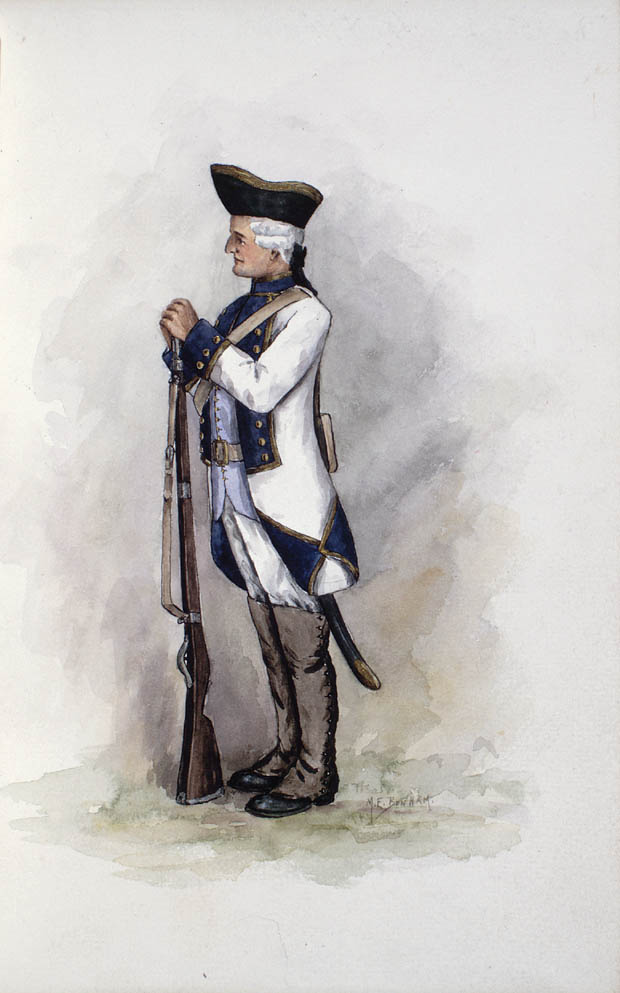
-
Article
Ministry of Overseas Military Forces
The Ministry of Overseas Military Forces was established in November 1916 to administer Canadian forces in the UK, especially in the training of reinforcements, and to act as the communications channel between the Militia Department, the British War Office, and the Canadian Corps in France.
"https://thecanadianencyclopedia.ca/images/tce_placeholder.jpg?v=e9dca980c9bdb3aa11e832e7ea94f5d9" // resources/views/front/categories/view.blade.php
https://thecanadianencyclopedia.ca/images/tce_placeholder.jpg?v=e9dca980c9bdb3aa11e832e7ea94f5d9
-
Article
Battle of Mount Sorrel
Mount Sorrel was the objective of an important battle between Canadian and German soldiers in the First World War.
"https://thecanadianencyclopedia.ca/images/tce_placeholder.jpg?v=e9dca980c9bdb3aa11e832e7ea94f5d9" // resources/views/front/categories/view.blade.php
https://thecanadianencyclopedia.ca/images/tce_placeholder.jpg?v=e9dca980c9bdb3aa11e832e7ea94f5d9
-
Article
Monuments of the First and Second World Wars
Since the end of the First World War, monuments commemorating the lives of Canadians who died in conflicts overseas have occupied a prominent place in our urban cultural landscape. Most were erected in the 1920s and 1930s and represent a commitment never to forget Canadian lives sacrificed in the First World War. The Second World War's claims on Canadian lives reinforced this commitment. In an era when few monuments to contemporary national heroes or great historical events are erected, war monuments retain their capacity to erase time and preserve a memory of those who died for their country.
"https://d3d0lqu00lnqvz.cloudfront.net/media/media/162485bf-95f4-4d5c-a699-2dec659d831e.jpg" // resources/views/front/categories/view.blade.php
https://d3d0lqu00lnqvz.cloudfront.net/media/media/162485bf-95f4-4d5c-a699-2dec659d831e.jpg