
Browse "History"
-
Editorial
Editorial: How the “Canadianized” Community of Newfoundland Joined Canada
The following article is an editorial written by The Canadian Encyclopedia staff. Editorials are not usually updated. When the Parliament Buildings in Ottawa were repaired after a fire during the First World War, stone plaques were erected over the entrance to the Peace Tower. There were ten of them — nine bearing the coats of arms of the provinces and one left bare, to await the day when Newfoundland joined Canada.
"https://thecanadianencyclopedia.ca/images/tce_placeholder.jpg?v=e9dca980c9bdb3aa11e832e7ea94f5d9" // resources/views/front/categories/view.blade.php
https://thecanadianencyclopedia.ca/images/tce_placeholder.jpg?v=e9dca980c9bdb3aa11e832e7ea94f5d9
-
Article
Newfoundland Resettlement Program
Although between 1946 and 1954 an estimated 49 communities were abandoned without government assistance, in 1953 the Newfoundland Department of Welfare began a centralized program in response to a perceived need to assist and accelerate the process.
"https://thecanadianencyclopedia.ca/images/tce_placeholder.jpg?v=e9dca980c9bdb3aa11e832e7ea94f5d9" // resources/views/front/categories/view.blade.php
https://thecanadianencyclopedia.ca/images/tce_placeholder.jpg?v=e9dca980c9bdb3aa11e832e7ea94f5d9
-
Article
Niagara Historic Frontier
The Niagara Historic Frontier, stretching 50 km along both sides of the Niagara River from Lake Ontario to Lake Erie, is dotted with historic sites and cairns.
"https://d3d0lqu00lnqvz.cloudfront.net/media/media/659c26df-741b-477d-8d28-b5a7c4212206.jpg" // resources/views/front/categories/view.blade.php
https://d3d0lqu00lnqvz.cloudfront.net/media/media/659c26df-741b-477d-8d28-b5a7c4212206.jpg
-
Article
Niagara Purchase
The Niagara Purchase of 1781, also known as Treaty 381, was one of the first land agreements between Indigenous peoples and British authorities in Upper Canada (later Ontario). It resulted in a six-and-a-half kilometre-wide strip along the west bank of the Niagara River, which connects Lake Erie and Lake Ontario, being made available for settlement by Loyalists who were displaced by the American Revolution. The Niagara Purchase was one of many agreements made in the 1700s and 1800s, which are collectively known as the Upper Canada Land Surrenders.
"https://d3d0lqu00lnqvz.cloudfront.net/NiagaraLate1700s.jpg" // resources/views/front/categories/view.blade.php
https://d3d0lqu00lnqvz.cloudfront.net/NiagaraLate1700s.jpg
-
Article
Nile Expedition
In March 1884, imperial entanglements resulted in British General Gordon becoming trapped in Khartoum, Sudan. When British General Wolseley was ordered to rescue Gordon, he requested approximately 300 Canadian boatmen for the expedition. Known as the “Nile Voyageurs,” these men handled wooden whaling boats that transported troops up the Nile River to Khartoum. The Nile Expedition (14 September 1884 to 17 April 1885) was the first time Canadians were involved in an international military mission.
"https://d3d0lqu00lnqvz.cloudfront.net/NileExpedition/NileExpedition-Collage.jpg" // resources/views/front/categories/view.blade.php
https://d3d0lqu00lnqvz.cloudfront.net/NileExpedition/NileExpedition-Collage.jpg
-
Article
Niobe Day
Since 2014, Niobe Day has been celebrated every year on 21 October by the Royal Canadian Navy. It commemorates the entrance of HMCS Niobe, one of Canada’s first two warships, into Halifax Harbour on 21 October 1910. Niobe, which had been purchased from Britain, was the first Canadian warship to enter Canadian territorial waters. Before 2014, the Canadian navy marked Trafalgar Day every 21 October in commemoration of the British victory at the Battle of Trafalgar (1805).
"https://d3d0lqu00lnqvz.cloudfront.net/HMCSNiobe/HMCS Niobe entering Halifax on Trafalgar Day 1910.jpg" // resources/views/front/categories/view.blade.php
https://d3d0lqu00lnqvz.cloudfront.net/HMCSNiobe/HMCS Niobe entering Halifax on Trafalgar Day 1910.jpg
-
Article
None Is Too Many
Written by Irving Abella and Harold Troper, None Is Too Many: Canada and the Jews of Europe 1933–1948 (published in 1982), documented antisemitism in the Canadian government’s immigration policies as they applied to European Jews fleeing persecution from Nazi Germany. The phrase “none is too many” entered the Canadian political lexicon largely because of this book. Even before its publication, the book played a crucial role in changing the Canadian government’s policies toward refugees, such that the government of Joe Clark welcomed Vietnamese refugees then referred to as the “Boat People.”
"https://d3d0lqu00lnqvz.cloudfront.net/media/media/6d356bb1-8262-40a1-a024-3e8d3226a9da.jpg" // resources/views/front/categories/view.blade.php
https://d3d0lqu00lnqvz.cloudfront.net/media/media/6d356bb1-8262-40a1-a024-3e8d3226a9da.jpg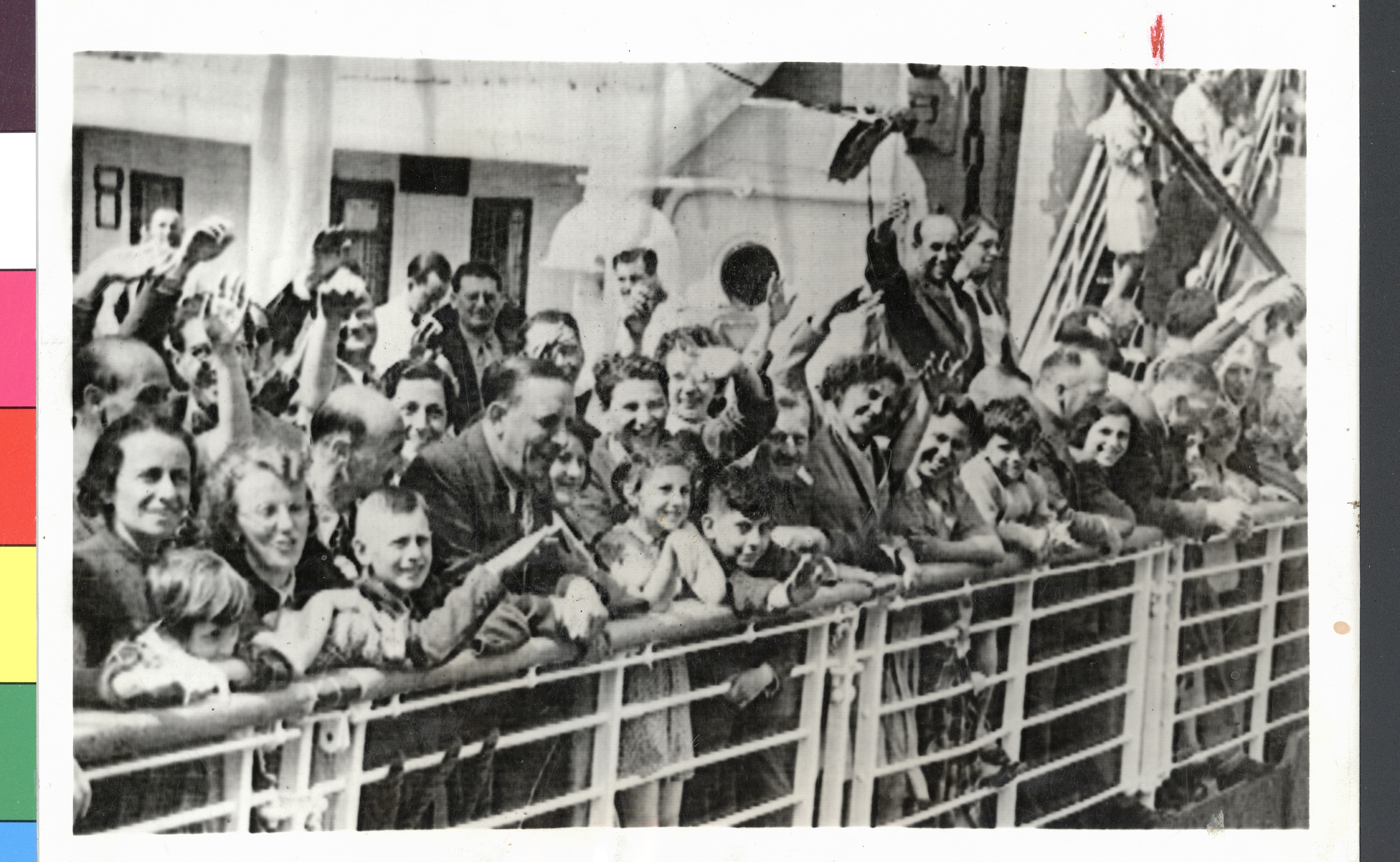
-
Article
Nootka Sound Controversy
The Nootka Sound Controversy involved the competing claims of Spain and Britain for control of trade and navigation on the Northwest Coast and in the Pacific Ocean, 1789-94.
"https://d3d0lqu00lnqvz.cloudfront.net/nootkasound/Nootka-Sound.jpg" // resources/views/front/categories/view.blade.php
https://d3d0lqu00lnqvz.cloudfront.net/nootkasound/Nootka-Sound.jpg
-
Article
NORAD
The North American Aerospace Defense Command (NORAD) was a pact made in 1957, at the height of the Cold War. It placed under joint command the air forces of Canada and the United States. Its name was changed in 1981 to the North American Aerospace Defense Command, but it kept the NORAD acronym. Canada and the US renewed NORAD in 2006, making the arrangement permanent. It is subject to review every four years, or at the request of either country. NORAD’s mission was also expanded into maritime warnings. The naval forces of the two countries remain under separate commands.
"https://d3d0lqu00lnqvz.cloudfront.net/media/media/efca000f-abb8-4a6f-881e-e39e4ee2882f.jpg" // resources/views/front/categories/view.blade.php
https://d3d0lqu00lnqvz.cloudfront.net/media/media/efca000f-abb8-4a6f-881e-e39e4ee2882f.jpg
-
Article
North-West Mounted Police
The North-West Mounted Police (NWMP) was the forerunner of Canada's iconic Royal Canadian Mounted Police. Created after Confederation to police the frontier territories of the Canadian West, the NWMP ended the whiskey trade on the southern prairies and the violence that came with it. They helped the federal government suppress the North-West Resistance and brought order to the Klondike Gold Rush. The NWMP pioneered the enforcement of federal law in the West, and the Arctic, from 1873 until 1920.
"https://d3d0lqu00lnqvz.cloudfront.net/media/media/9a255267-0aad-4dff-bdcd-57cfec136787.jpg" // resources/views/front/categories/view.blade.php
https://d3d0lqu00lnqvz.cloudfront.net/media/media/9a255267-0aad-4dff-bdcd-57cfec136787.jpg
-
Article
North-West Territories (1870–1905)
The North-West Territories was the first Canadian territory. It was Established on 15 July 1870. As a territory, the region became part of Canada. But it lacked the population, economic and infrastructure resources to attain provincial status. It thus fell under the jurisdiction of the federal government. It covered a vast area, stretching west from a disputed boundary with Labrador, across the northern portions of present-day Quebec and Ontario, through the Prairies to British Columbia, and north from the 49th parallel to the Arctic Ocean. The territory was subject to numerous boundary changes before 1905. At that time, the provinces of Saskatchewan and Alberta were carved out of the southwest portion of the region. In 1906, the remaining territory was renamed the Northwest Territories.
"https://d3d0lqu00lnqvz.cloudfront.net/media/media/1ca2e02a-e2e8-4709-acee-5581d6051d5c.jpg" // resources/views/front/categories/view.blade.php
https://d3d0lqu00lnqvz.cloudfront.net/media/media/1ca2e02a-e2e8-4709-acee-5581d6051d5c.jpg
-
Article
Nova Scotia 1714-84
Confirmed as British by the Treaty of Utrecht in 1713, the peninsula of Nova Scotia was neglected until 1749 - a period of "phantom rule" and "counterfeit suzerainty.
"https://d3d0lqu00lnqvz.cloudfront.net/media/media/12f25a44-2508-4e64-9dd1-8eb4b212345d.jpg" // resources/views/front/categories/view.blade.php
https://d3d0lqu00lnqvz.cloudfront.net/media/media/12f25a44-2508-4e64-9dd1-8eb4b212345d.jpg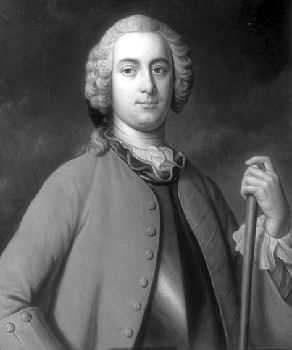
-
Article
Nova Scotia and Confederation
Nova Scotia was one of the four founding provinces of Canada. It joined New Brunswick, Ontario and Quebec in Confederation on 1 July 1867. However, this was mainly because Confederation delivered the Intercolonial Railway to the Maritimes, and because of the efforts of Sir Charles Tupper. His government passed approval for Confederation in the colonial legislature despite popular opposition. (See Confederation’s Opponents.) Confederation was met with mass protests in the colony. Joseph Howe led a two-year effort to repeal the union. (See Repeal Movement.) But Howe finally decided he could do more to help his province by working inside the federal government. He joined the federal Cabinet in 1869.
"https://d3d0lqu00lnqvz.cloudfront.net/media/media/7b457631-bb6e-40ee-bf61-fab12a06fb6d.jpg" // resources/views/front/categories/view.blade.php
https://d3d0lqu00lnqvz.cloudfront.net/media/media/7b457631-bb6e-40ee-bf61-fab12a06fb6d.jpg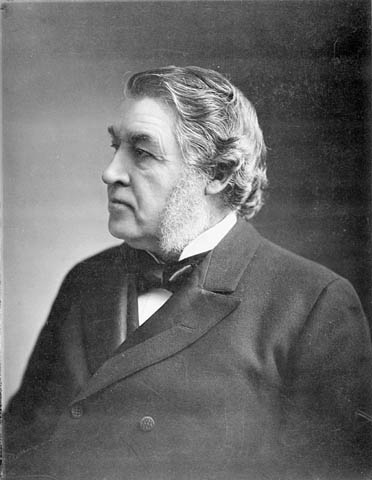
-
Editorial
Nova Scotia: The Cradle of Canadian Parliamentary Democracy
The following article is an editorial written by The Canadian Encyclopedia staff. Editorials are not usually updated.
"https://d3d0lqu00lnqvz.cloudfront.net/media/media/2756e679-0a69-460f-a9df-a12d63bd1a22.png" // resources/views/front/categories/view.blade.php
https://d3d0lqu00lnqvz.cloudfront.net/media/media/2756e679-0a69-460f-a9df-a12d63bd1a22.png
-
Article
Numbered Treaties (Plain-Language Summary)
The Numbered Treaties are a series of 11 treaties. A treaty is an agreement between two or more nations. The Numbered Treaties were signed by the Canadian government and Indigenous people. All 11 treaties were signed between 1871 and 1921. The Numbered Treaties cover parts of British Columbia, Alberta, Saskatchewan, Manitoba, Ontario. They also cover portions of Yukon and the Northwest Territories. The treaties provided the Canadian government with land. The government wanted land for industrial development and white settlement. In exchange, the government promised Indigenous people special rights and benefits. These treaty terms are controversial and contested. The Numbered Treaties have ongoing legal, social, and economic impacts on Indigenous communities. (See also Treaties with Indigenous Peoples in Canada.) (This is a plain-language summary of the Numbered Treaties. If you are interested in reading about this topic in more depth, please see our full-length entry, Numbered Treaties.)
"https://d3d0lqu00lnqvz.cloudfront.net/media/media/4f1d71aa-8b25-417f-a88b-2a078f3b1768.jpg" // resources/views/front/categories/view.blade.php
https://d3d0lqu00lnqvz.cloudfront.net/media/media/4f1d71aa-8b25-417f-a88b-2a078f3b1768.jpg