
Browse "People"
-
Memory Project Archive
Doug Franks (Primary Source)
"They got over this wire... 'cause you used to hang tin cans or something on there so, if it touched it, it warned you that there was someone there…" See below for Mr. Franks' entire testimony. Please be advised that Memory Project primary sources may deal with personal testimony that reflect the speaker’s recollections and interpretations of events. Individual testimony does not necessarily reflect the views of the Memory Project and Historica Canada.
"https://d3d0lqu00lnqvz.cloudfront.net/MemoryProject/DougFranks/7821_538.jpg" // resources/views/front/categories/view.blade.php
https://d3d0lqu00lnqvz.cloudfront.net/MemoryProject/DougFranks/7821_538.jpg
-
Memory Project Archive
Doug Vidler (Primary Source)
"Our landing was not bad compared to the fellows ahead of us. The first wave had taken the blunt of it." See below for Mr. Vidler's entire testimony. Please be advised that Memory Project primary sources may deal with personal testimony that reflect the speaker’s recollections and interpretations of events. Individual testimony does not necessarily reflect the views of the Memory Project and Historica Canada.
"https://d3d0lqu00lnqvz.cloudfront.net/MemoryProject/DougVidler/8809_original.jpg" // resources/views/front/categories/view.blade.php
https://d3d0lqu00lnqvz.cloudfront.net/MemoryProject/DougVidler/8809_original.jpg
-
Memory Project Archive
Doug Yuill (Primary Source)
Doug Yuill (Brigadier, ret’d) served in the Royal Canadian Engineers (RCE) during the Korean War. He explains in detail the tasks engineers carried out at the front, including the transfer of personnel and equipment across the Imjin River, swollen by monsoon season, and protecting bridges across the river from enemy rafts. He also provides an explanation of mine laying. Additionally, Yuill discusses trading with the American troops at the front for a variety of equipment and services.
"https://d3d0lqu00lnqvz.cloudfront.net/The-Memory-Project/image/14675_original.jpg" // resources/views/front/categories/view.blade.php
https://d3d0lqu00lnqvz.cloudfront.net/The-Memory-Project/image/14675_original.jpg
-
Memory Project Archive
Douglas Cooper (Primary Source)
Douglas Cooper joined the Royal Canadian Navy in November 1948. After serving on various ships, including HMCS Haida, he was transferred to HMCS Huron. He went to Korea in March 1951 and served as a stoker in the engine room.Please be advised that Memory Project primary sources may deal with personal testimony that reflect the speaker’s recollections and interpretations of events. Individual testimony does not necessarily reflect the views of the Memory Project and Historica Canada.
"https://thecanadianencyclopedia.ca/images/tce_placeholder.jpg?v=e9dca980c9bdb3aa11e832e7ea94f5d9" // resources/views/front/categories/view.blade.php
https://thecanadianencyclopedia.ca/images/tce_placeholder.jpg?v=e9dca980c9bdb3aa11e832e7ea94f5d9
-
Memory Project Archive
Douglas MacDonald (Primary Source)
"I was watching the Typhoons, or the ‘Tiffies,’ blowing up a forest and I was thinking, give them hell, boys." See below for Mr. MacDonald's entire testimony. Please be advised that Memory Project primary sources may deal with personal testimony that reflect the speaker’s recollections and interpretations of events. Individual testimony does not necessarily reflect the views of the Memory Project and Historica Canada.
"https://d3d0lqu00lnqvz.cloudfront.net/MemoryProject/DouglasMacDonald/3203_538.jpg" // resources/views/front/categories/view.blade.php
https://d3d0lqu00lnqvz.cloudfront.net/MemoryProject/DouglasMacDonald/3203_538.jpg
-
Memory Project Archive
Douglas Sample (Primary Source)
Douglas Sample served in the Royal Canadian Air Force during the Second World War. Read and listen to his veteran testimony below. Please be advised that Memory Project primary sources may deal with personal testimony that reflect the speaker's recollections and interpretations of events. Individual testimony does not necessarily reflect the views of the Memory Project and Historica Canada.
"https://d3d0lqu00lnqvz.cloudfront.net/The-Memory-Project/image/8602_original.jpg" // resources/views/front/categories/view.blade.php
https://d3d0lqu00lnqvz.cloudfront.net/The-Memory-Project/image/8602_original.jpg
-
Memory Project Archive
Douglas Storey (Primary Source)
Well, it was 1942. There was a little bit happening other than joining the army or working in the steel company. So I elected to join the army. And that was the beginning of things to come. We landed I believe we were told, 12 days after D-Day. We landed and the first action we saw was Bourgebus. That’s not the proper pronunciation but it was right next door to Tilly-la-Campagne. And we went from...
"https://thecanadianencyclopedia.ca/images/tce_placeholder.jpg?v=e9dca980c9bdb3aa11e832e7ea94f5d9" // resources/views/front/categories/view.blade.php
https://thecanadianencyclopedia.ca/images/tce_placeholder.jpg?v=e9dca980c9bdb3aa11e832e7ea94f5d9
-
Memory Project Archive
Douglas Warren (Primary Source)
"At Dieppe, with only 5,000 of our troops involved, we had almost 1,000 killed and 2,000 taken prisoner, many of them wounded, in just six hours battle. So, you can see the ferocity of the battle." See below for Mr. Warren's entire testimony. Please be advised that Memory Project primary sources may deal with personal testimony that reflect the speaker’s recollections and interpretations of events. Individual testimony does not necessarily reflect the views of the Memory Project and Historica Canada.
"https://d3d0lqu00lnqvz.cloudfront.net/MemoryProject/DouglasWarren/369_538.jpg" // resources/views/front/categories/view.blade.php
https://d3d0lqu00lnqvz.cloudfront.net/MemoryProject/DouglasWarren/369_538.jpg
-
Memory Project Archive
Dr. Charles Rand (Primary Source)
Interrupting his medical training at Harvard to join the military, Dr. Charles Rand screened the waves of troops looking to join the military themselves, before returning to his studies after the war.
"https://d3d0lqu00lnqvz.cloudfront.net/The-Memory-Project/image/14064_original.jpg" // resources/views/front/categories/view.blade.php
https://d3d0lqu00lnqvz.cloudfront.net/The-Memory-Project/image/14064_original.jpg
-
Memory Project Archive
Earl Wilkenson (Primary Source)
A Korean War veteran, Earl Wilkenson had a very unique perspective as primarily a driver for a Canadian Army field ambulance, a unit akin to the U.S. field hospital made famous by the television show, MASH.Please be advised that Memory Project primary sources may deal with personal testimony that reflect the speaker’s recollections and interpretations of events. Individual testimony does not necessarily reflect the views of the Memory Project and Historica Canada.
"https://d3d0lqu00lnqvz.cloudfront.net/The-Memory-Project/image/9612_original.jpg" // resources/views/front/categories/view.blade.php
https://d3d0lqu00lnqvz.cloudfront.net/The-Memory-Project/image/9612_original.jpg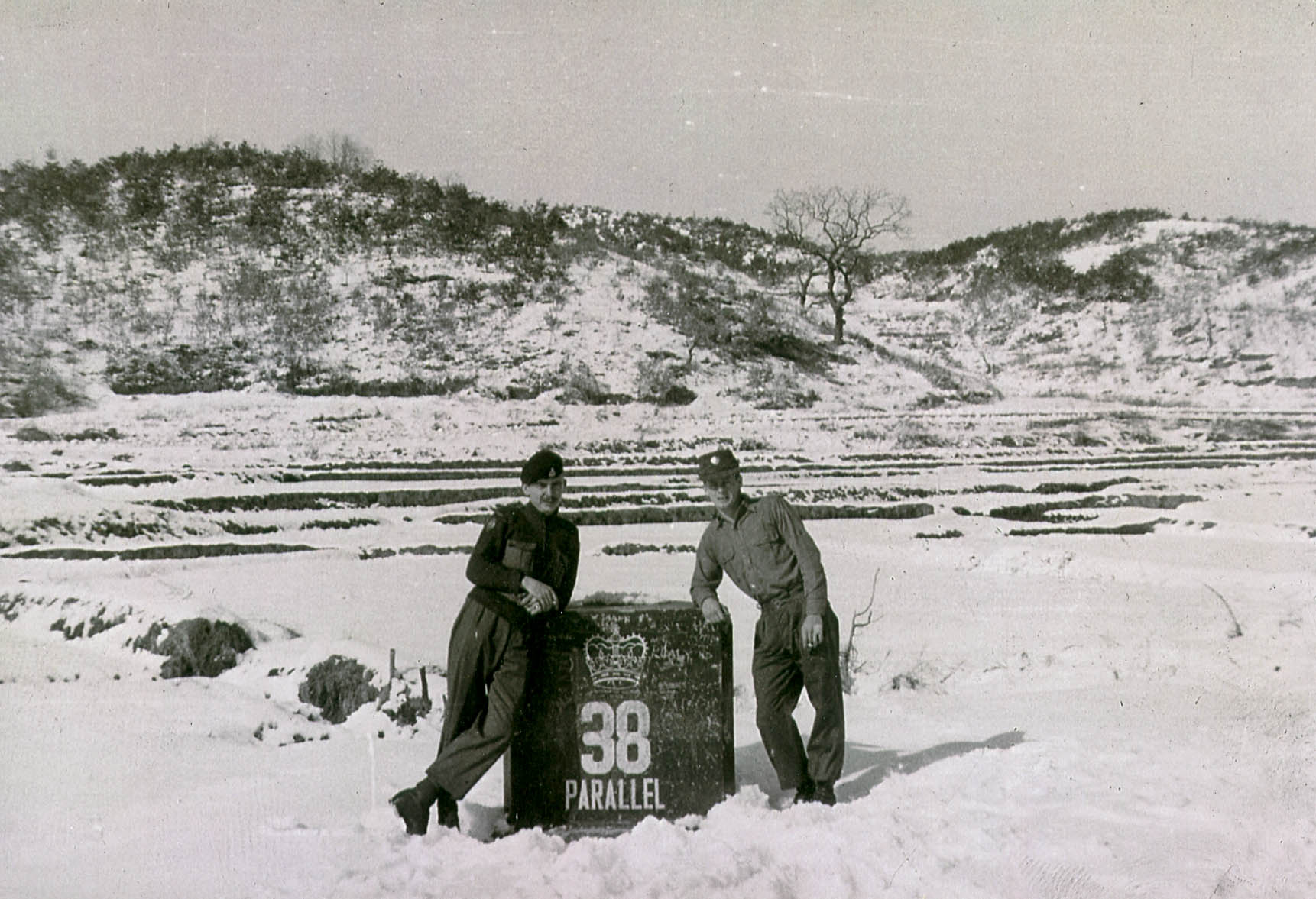
-
Memory Project Archive
Earle Wagner (Primary Source)
In 2010, The Memory Project interviewed Earle Steadman Wagner, who served with the Canadian Merchant Navy during the Second World War. The following recording (and transcript) is an excerpt from this interview. Earle Wagner was born in West LaHave, Nova Scotia, on 25 December 1923; he enlisted in the Canadian Merchant Navy at the age of 17 in 1943. After the war, he had a long career in the marine industry, including command of large oil tankers. Wagner also became a marine superintendent with the Department of Fisheries and Oceans. He was heavily involved in efforts to recognize merchant navy veterans, including the establishment of the Merchant Navy Memorial in Halifax, Nova Scotia. Wagner died on 1 December 2023 in Halifax, not long before his 100th birthday. In this 2010 interview, Wagner describes his experiences with the merchant navy during the Second World War, as well as his postwar career and his advocacy for merchant navy veterans. Please be advised that Memory Project primary sources may deal with personal testimony that reflect the speaker's recollections and interpretations of events. Individual testimony does not necessarily reflect the views of the Memory Project and Historica Canada.
"https://d3d0lqu00lnqvz.cloudfront.net/The-Memory-Project/image/357_600.jpg" // resources/views/front/categories/view.blade.php
https://d3d0lqu00lnqvz.cloudfront.net/The-Memory-Project/image/357_600.jpg
-
Memory Project Archive
Ed Storey (Primary Source)
See below for Ed Storey's entire testimony. Please be advised that Memory Project primary sources may deal with personal testimony that reflect the speaker’s recollections and interpretations of events. Individual testimony does not necessarily reflect the views of the Memory Project and Historica Canada.
"https://d3d0lqu00lnqvz.cloudfront.net/The-Memory-Project/image/15263_600.jpg" // resources/views/front/categories/view.blade.php
https://d3d0lqu00lnqvz.cloudfront.net/The-Memory-Project/image/15263_600.jpg
-
Memory Project Archive
Edgar "Pat" Pennefather (Primary Source)
Edgar Pennefather served in the Royal Canadian Navy during the Second World War.Please be advised that Memory Project primary sources may deal with personal testimony that reflect the speaker’s recollections and interpretations of events. Individual testimony does not necessarily reflect the views of the Memory Project and Historica Canada.
"https://d3d0lqu00lnqvz.cloudfront.net/The-Memory-Project/image/2123_original.jpg" // resources/views/front/categories/view.blade.php
https://d3d0lqu00lnqvz.cloudfront.net/The-Memory-Project/image/2123_original.jpg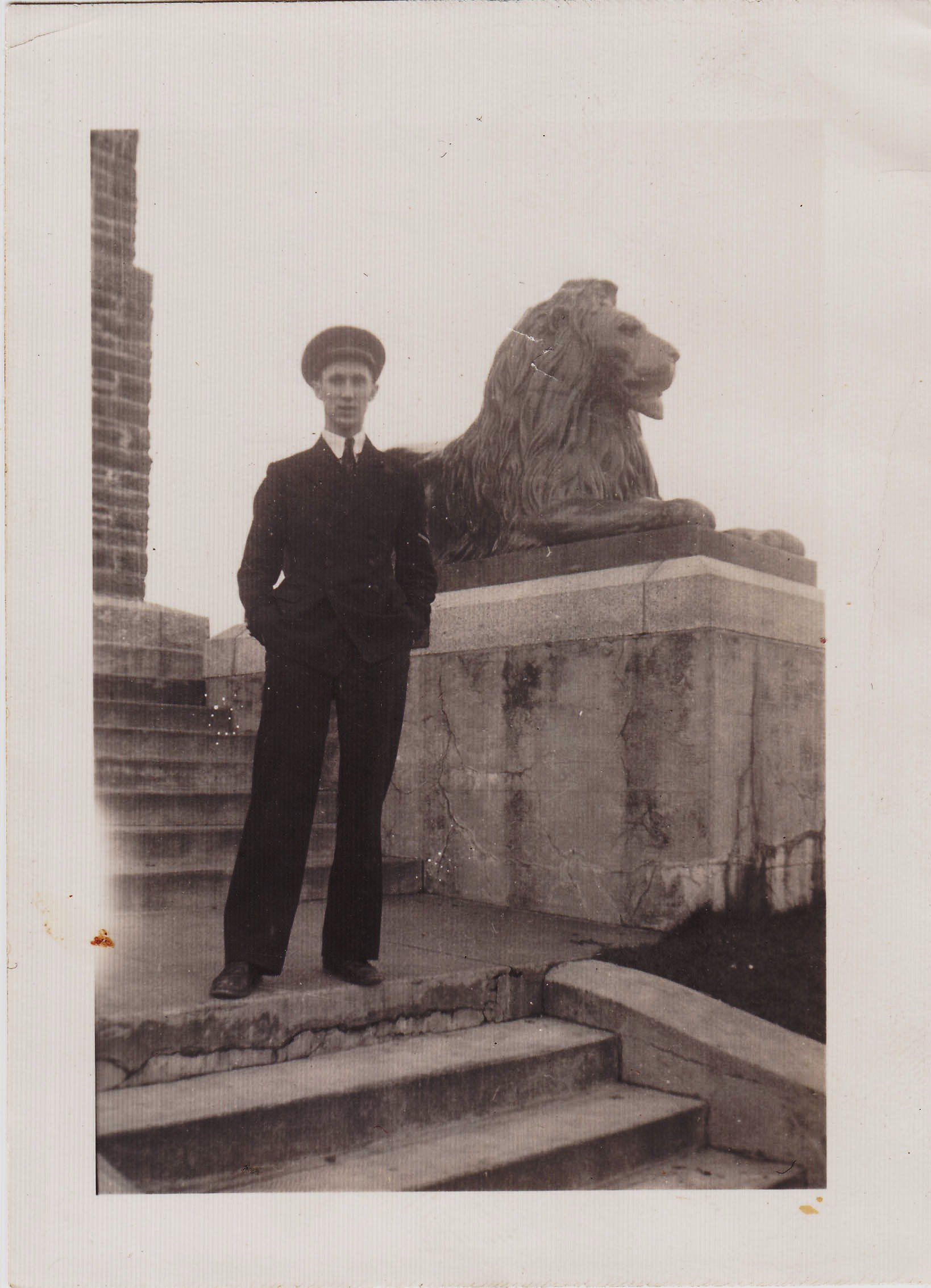
-
Memory Project Archive
Edison Trott (Primary Source)
During the Second World War, Ed Trott started with the Canadian Army and finished with the Royal Canadian Air Force (RCAF). In the air force, he was tail and mid-upper gunner on Handley Page Halifax bombers with No. 432 Squadron, RCAF. He flew 30 sorties, bombing targets throughout the Netherlands, France, and Germany.Please be advised that Memory Project primary sources may deal with personal testimony that reflect the speaker’s recollections and interpretations of events. Individual testimony does not necessarily reflect the views of the Memory Project and Historica Canada.
"https://d3d0lqu00lnqvz.cloudfront.net/The-Memory-Project/image/15850_original.jpg" // resources/views/front/categories/view.blade.php
https://d3d0lqu00lnqvz.cloudfront.net/The-Memory-Project/image/15850_original.jpg
-
Memory Project Archive
Edison Yeadon (Primary Source)
"The German submarines don't like this weather but we do, to keep them down." See below for Mr. Yeadon's entire testimony. Please be advised that Memory Project primary sources may deal with personal testimony that reflect the speaker’s recollections and interpretations of events. Individual testimony does not necessarily reflect the views of the Memory Project and Historica Canada.
"https://d3d0lqu00lnqvz.cloudfront.net/MemoryProject/EdisonYeadon/607_538.jpg" // resources/views/front/categories/view.blade.php
https://d3d0lqu00lnqvz.cloudfront.net/MemoryProject/EdisonYeadon/607_538.jpg