
Browse "People"
-
Article
King Biscuit Boy
Richard Alfred Newell (King Biscuit Boy or Son Richard), harmonica player, blues singer, guitarist, songwriter (born 9 March 1944 in Hamilton, ON; died 5 January 2003 in Hamilton, ON). The blues musician Richard Newell, known as King Biscuit Boy, was revered internationally as a blues harmonica player, singer and slide guitarist. He performed with the legendary Ronnie Hawkins, the successful band Crowbar, and such top blues figures as Muddy Waters, Janis Joplin and Joe Cocker. He earned a Great Canadian Blues Award and posthumously received lifetime achievement awards from the Maple Blues Awards and the Hamilton Music Awards. The HamiltonSpectator called Newell “one of the top blues harmonica players in the business.”
"https://d3d0lqu00lnqvz.cloudfront.net/media/new_article_images/KingBiscuitBoy/KBB.gif" // resources/views/front/categories/view.blade.php
https://d3d0lqu00lnqvz.cloudfront.net/media/new_article_images/KingBiscuitBoy/KBB.gif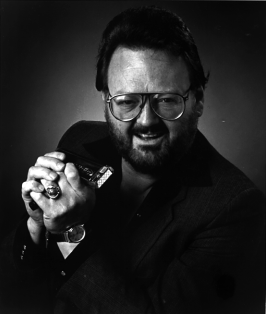
-
Article
King-Byng Affair (Plain-Language Summary)
The King-Byng Affair was a constitutional crisis that happened in 1926. It pitted the powers of a prime minister against the powers of a governor general. It began when Prime Minister William Lyon Mackenzie King asked Governor General Lord Julian Byng to dissolve Parliament and call a new election. Byng refused. It ended with King winning another election. Since then, no governor general has publicly refused the advice of a prime minister. This article is a plain-language summary of the King-Byng Affair. If you are interested in reading about this topic in more depth, please see our full-length entry: King-Byng Affair.
"https://d3d0lqu00lnqvz.cloudfront.net/media/media/bc101b95-90c9-4f86-b242-e84ad88599bf.jpg" // resources/views/front/categories/view.blade.php
https://d3d0lqu00lnqvz.cloudfront.net/media/media/bc101b95-90c9-4f86-b242-e84ad88599bf.jpg
-
Article
King Clancy
Francis Michael Clancy, "King," hockey player (b at Ottawa 25 Feb 1903; d at Toronto 10 Nov 1986). He joined the OTTAWA SENATORS in 1921, where he was a leader and local favourite. He was sold to the TORONTO MAPLE LEAFS
"https://d3d0lqu00lnqvz.cloudfront.net/media/media/12cf7ebf-c91a-4599-8c46-a0064aff4a6c.jpg" // resources/views/front/categories/view.blade.php
https://d3d0lqu00lnqvz.cloudfront.net/media/media/12cf7ebf-c91a-4599-8c46-a0064aff4a6c.jpg
-
Article
King Edward VIII
Edward Albert Christian George Andrew Patrick David, HRH Prince of Wales from 1910 to 1936, HM King Edward VIII from 20 January to 11 December 1936, HRH The Duke of Windsor from 1936 to 1972 (born 23 June 1894 in White Lodge Richmond, Surrey, England; died 28 May 1972 in Paris, France). Edward toured Canada on several occasions and purchased a ranch in Alberta. He is best known for abdicating the crown and marrying American divorcee Wallis Simpson. Edward is mentioned in novels by several Canadian authors, including Robertson Davies, Lucy Maud Montgomery and Timothy Findley.
"https://d3d0lqu00lnqvz.cloudfront.net/EdwardVIII_crop.jpg" // resources/views/front/categories/view.blade.php
https://d3d0lqu00lnqvz.cloudfront.net/EdwardVIII_crop.jpg
-
Article
King Ganam
Ameen Ganam (a.k.a. King Ganam), musician (born 9 August 1914 in Swift Current, SK; died 26 April 1994 in Carlsbad, California). Ameen Ganam was the son of early Muslim settlers on the Prairies. He was also a teacher of Arabic and Islam at Al Rashid Mosque in Edmonton. Most famously, he was a fiddler extraordinaire (see Fiddling). In 1989, he became one of the original inductees into the Canadian Country Music Hall of Fame. (See Country Music.)
"https://thecanadianencyclopedia.ca/images/tce_placeholder.jpg?v=e9dca980c9bdb3aa11e832e7ea94f5d9" // resources/views/front/categories/view.blade.php
https://thecanadianencyclopedia.ca/images/tce_placeholder.jpg?v=e9dca980c9bdb3aa11e832e7ea94f5d9
-
Article
King George I
George I, elector of Hanover from 1698 to 1727 and king of Great Britain and Ireland from 1714 to 1727 (born 28 May 1660 in Hanover, Germany; died 11 June 1727 in Osnabrück, Germany). George I was the first British monarch from the House of Hanover. Many places in Canada are named after his titles, territories and ancestry.
"https://d3d0lqu00lnqvz.cloudfront.net/Hanoverians/King_George_I_by_Sir_Godfrey_Kneller.jpg" // resources/views/front/categories/view.blade.php
https://d3d0lqu00lnqvz.cloudfront.net/Hanoverians/King_George_I_by_Sir_Godfrey_Kneller.jpg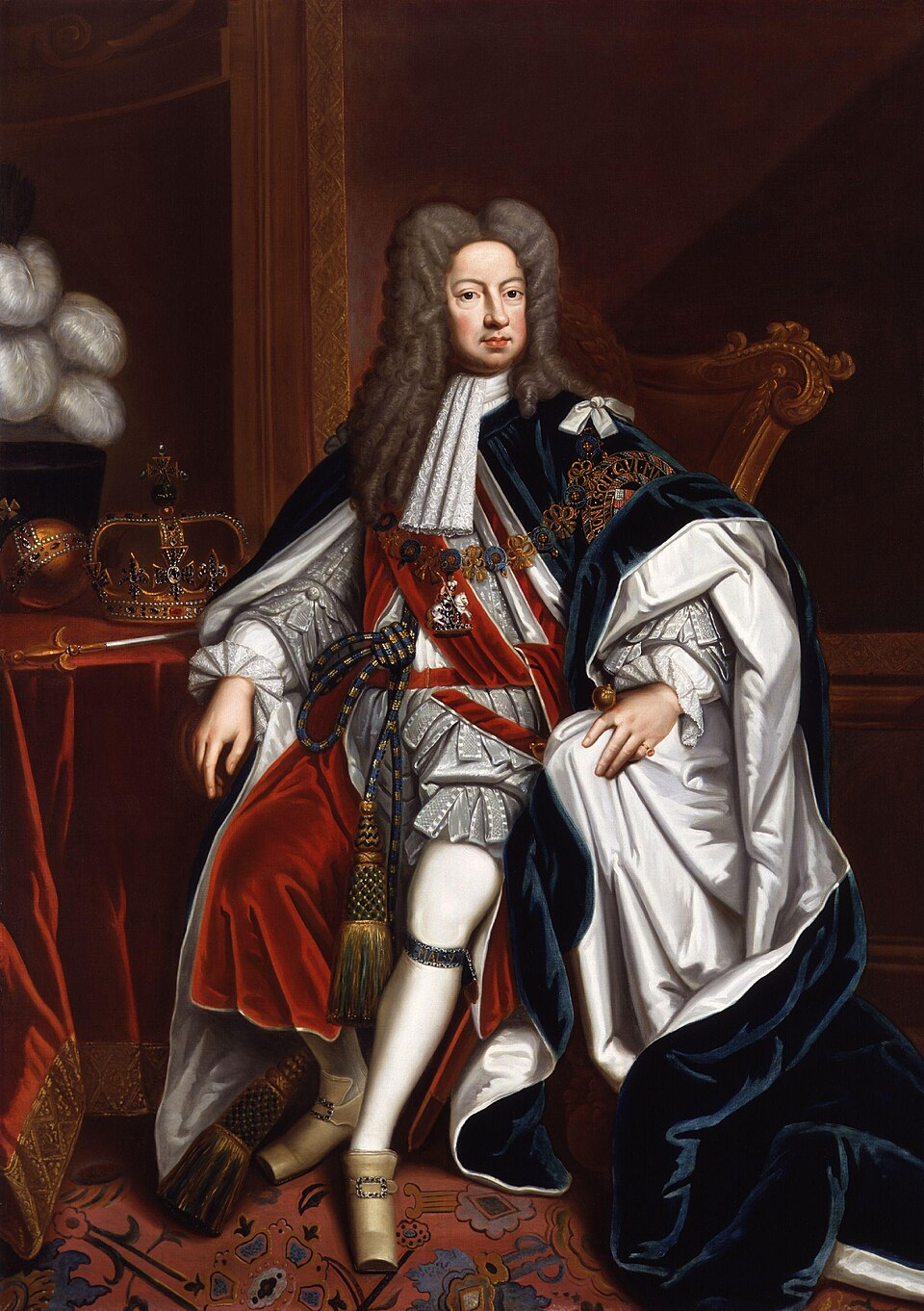
-
Article
King George II
George II, king of Great Britain and Ireland and elector of Hanover from 1727 to 1760 (born 10 November 1683 (30 October 1683, Old Style) in Hanover, Germany; died 25 October 1760 in London, United Kingdom). King George II was the last British monarch to personally command troops on the battlefield. He expanded the British military presence in North America, supporting the promotion of James Wolfe during the Seven Years’ War. George II approved the founding of “a civil government in the province of Nova Scotia” and the construction of Halifax, Nova Scotia.
"https://d3d0lqu00lnqvz.cloudfront.net/Hanoverians/George_II_Shackleton.jpg" // resources/views/front/categories/view.blade.php
https://d3d0lqu00lnqvz.cloudfront.net/Hanoverians/George_II_Shackleton.jpg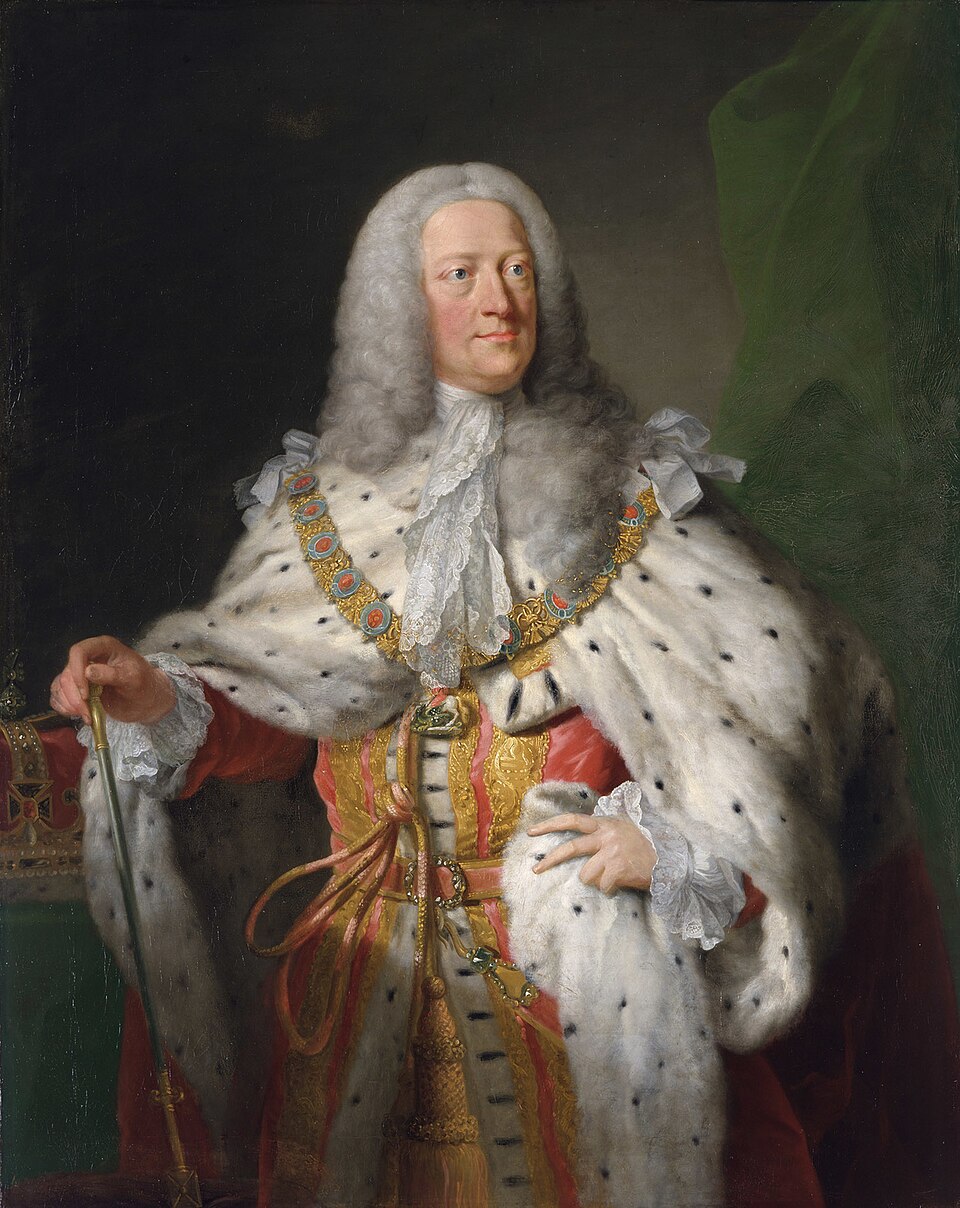
-
Article
King George III
King George III (born Prince George William Frederick on 4 June 1738 in London, United Kingdom; died 29 January 1820 in Windsor, United Kingdom), King of Great Britain and Ireland from 1760 to 1820 and elector and then King of Hanover. George III was the first monarch to reign over English and French Canada. He granted royal assent to the Royal Proclamation of 1763, Quebec Act of 1774 and Constitutional Act of 1791. Following the American Revolution, thousands of United Empire Loyalists, who were loyal to King George III, received Crown lands in Upper and Lower Canada and the Maritime provinces.
"https://d3d0lqu00lnqvz.cloudfront.net/Hanoverians/George_III_portrait.jpg" // resources/views/front/categories/view.blade.php
https://d3d0lqu00lnqvz.cloudfront.net/Hanoverians/George_III_portrait.jpg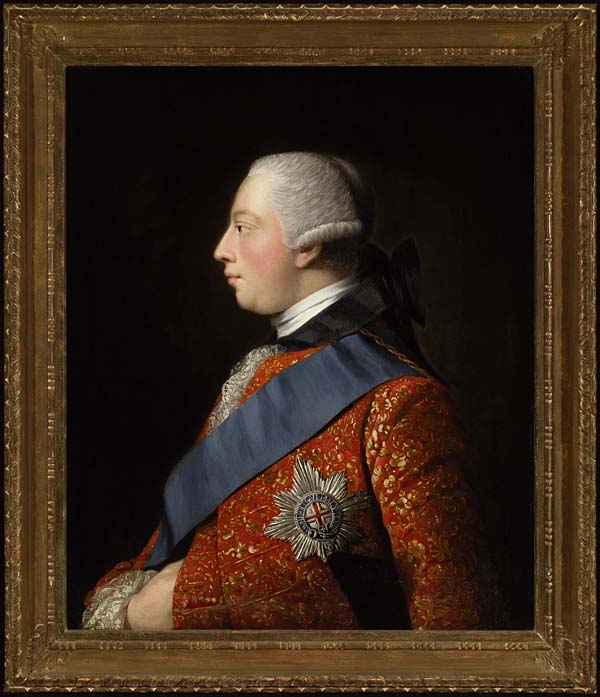
-
Article
King George IV
King George IV (born Prince George Augustus Frederick on 12 August 1762 in London, United Kingdom; died 26 June 1830 in Windsor, United Kingdom), Prince Regent of the United Kingdom from 1811 to 1820 and King of the United Kingdom and Hanover from 1820 to 1830. As Prince Regent, the future King George IV ratified the Treaty of Ghent that formally ended the War of 1812. As king, George IV issued a royal charter to King’s College in 1827, which eventually became the University of Toronto.
"https://d3d0lqu00lnqvz.cloudfront.net/GeorgeIV/A-voluptuary-under-the-horrors-of-digestion-King-George-IV.jpg" // resources/views/front/categories/view.blade.php
https://d3d0lqu00lnqvz.cloudfront.net/GeorgeIV/A-voluptuary-under-the-horrors-of-digestion-King-George-IV.jpg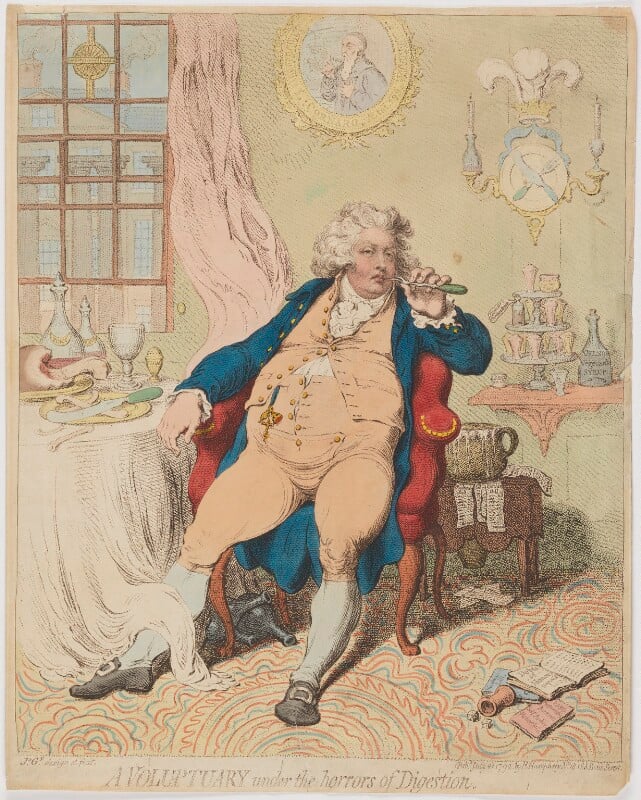
-
Article
King George V
King George V (George V, by the Grace of God, of Great Britain, Ireland and the British Dominions beyond the Seas, King, Defender of the Faith, Emperor of India) (born 3 June 1865 at Marlborough House, London, United Kingdom; died 20 January 1936 at Sandringham House, Norfolk, United Kingdom). The grandfather of Queen Elizabeth II, George V reigned during the First World War. His reign included key innovations that continue to shape the modern constitutional monarchy, including the Balfour Report of 1926 and the 1931 Statute of Westminster. George visited Canada three times, including a month-long tour across Canada by train in 1901.
"https://d3d0lqu00lnqvz.cloudfront.net/GeorgeV/GeorgeVandMary_1927.jpg" // resources/views/front/categories/view.blade.php
https://d3d0lqu00lnqvz.cloudfront.net/GeorgeV/GeorgeVandMary_1927.jpg
-
Article
King George VI
King George VI (George VI, by the Grace of God of Great Britain, Ireland and the British Dominions Beyond the Seas, King, Defender of the Faith, Emperor of India) (born 14 December 1895 at York Cottage, Sandringham, Norfolk, United Kingdom; died 6 February 1952 at Sandringham House, Norfolk). The father of Queen Elizabeth II (1926 to 2022), George VI reigned during the Second World War. He was the first reigning monarch to tour Canada (in 1939) and the first monarch to hold the official title of Head of the Commonwealth (from 1949).
"https://d3d0lqu00lnqvz.cloudfront.net/GeorgeVI/1939TourBanff_GeorgeVI-QueenLiz-King.jpg" // resources/views/front/categories/view.blade.php
https://d3d0lqu00lnqvz.cloudfront.net/GeorgeVI/1939TourBanff_GeorgeVI-QueenLiz-King.jpg
-
Article
King Olav V and Crown Princess Märtha of Norway
King Olav V of Norway (born Prince Alexander Christian Edward Frederik of Denmark on 2 July 1903 in Sandringham, United Kingdom; died 17 January 1991 in Oslo, Norway), King of Norway from 1957 to 1991; Crown Princess Märtha of Norway (born Princess Märtha Sofia Lovisa Dagmar Thyra of Sweden on 28 March 1901 in Stockholm, Sweden; died 5 April 1954 in Oslo, Norway). As Crown Prince and Crown Princess of Norway, Olav and Märtha travelled extensively in Canada and the United States on behalf of the Norwegian resistance during the Second World War, including the Little Norway air force bases in Toronto and Muskoka, Ontario, and Camp Norway in Lunenburg, Nova Scotia.
"https://d3d0lqu00lnqvz.cloudfront.net/Olav-Martha/Roosevelt-Norwegian-Juliana.jpg" // resources/views/front/categories/view.blade.php
https://d3d0lqu00lnqvz.cloudfront.net/Olav-Martha/Roosevelt-Norwegian-Juliana.jpg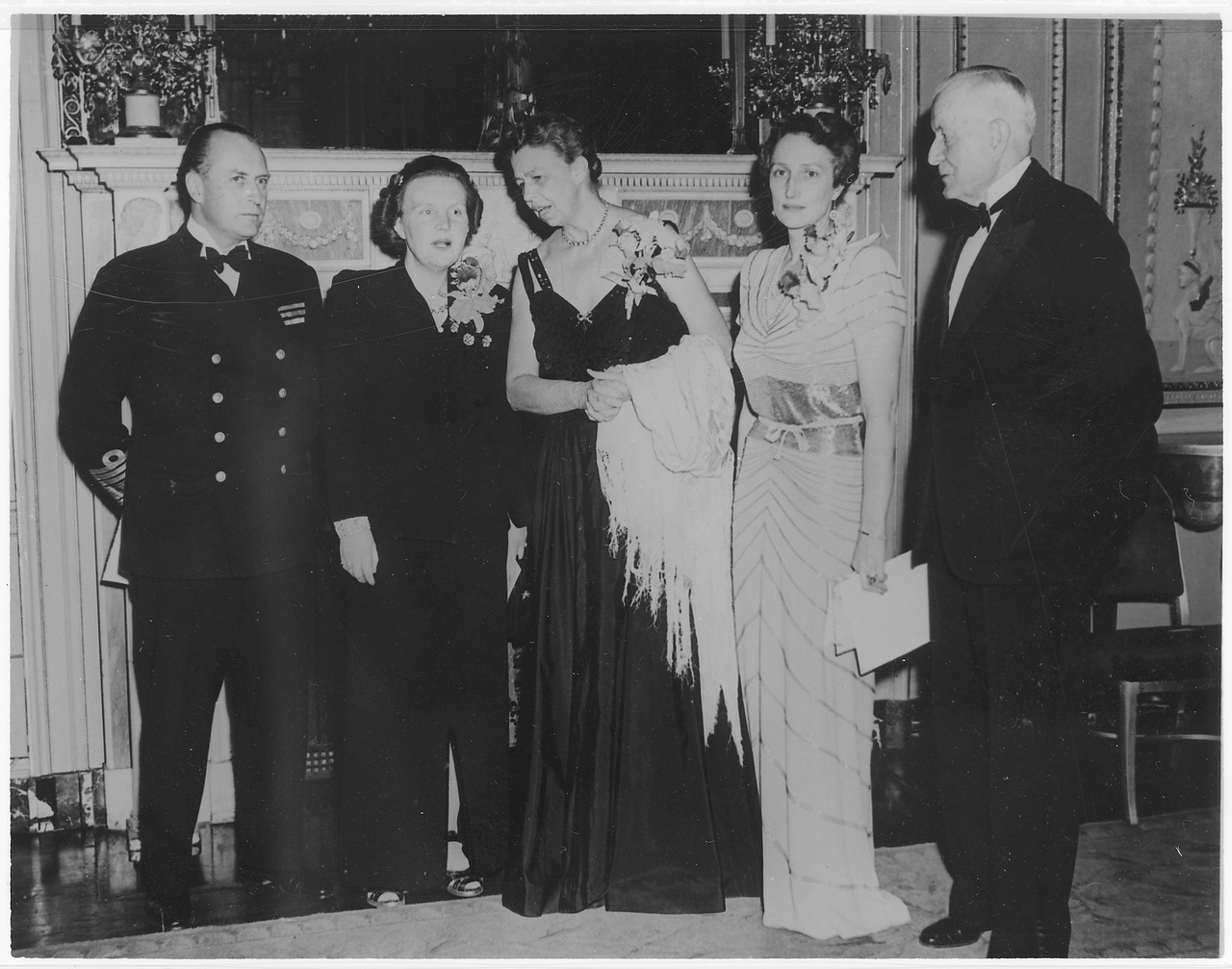
-
Article
King William IV
King William IV (born Prince William Henry on 21 August 1765 in London, United Kingdom; died 20 June 1837 in Berkshire, United Kingdom), King of the United Kingdom of Great Britain and Ireland and King of Hanover from 1830 until 1837. William IV was the first member of the royal family to visit Canada, spending time in Newfoundland, Nova Scotia and Quebec in the late 1780s during his naval career. As king, William IV gave royal assent to the Representation of the People Act of 1832 (also known as the Great Reform Act), which inspired the 1837 rebellions in Canada, and the Slavery Abolition Act of 1833, which came into force in the British Empire on 1 August 1834.
"https://d3d0lqu00lnqvz.cloudfront.net/WilliamIV/WilliamIVbyLonsdale.jpg" // resources/views/front/categories/view.blade.php
https://d3d0lqu00lnqvz.cloudfront.net/WilliamIV/WilliamIVbyLonsdale.jpg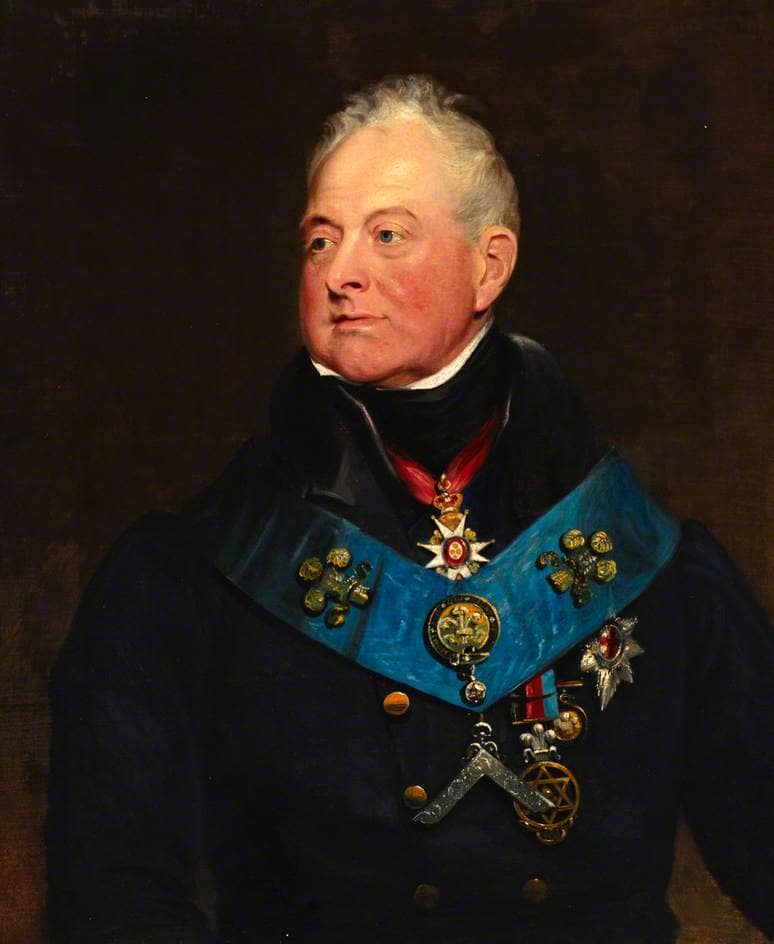
-
Article
Kivas Tully
Kivas Tully, architect, civil engineer, politician (b at Garrarucum, Queen's County, Ire 1820; d at Toronto 24 Apr 1905).
"https://thecanadianencyclopedia.ca/images/tce_placeholder.jpg?v=e9dca980c9bdb3aa11e832e7ea94f5d9" // resources/views/front/categories/view.blade.php
https://thecanadianencyclopedia.ca/images/tce_placeholder.jpg?v=e9dca980c9bdb3aa11e832e7ea94f5d9
-
Article
Klaro Mizerit
Klaro (Maria) Mizerit,. Conductor, composer, b Monfalcone, Italy, 12 Aug 1914 of Slovenian parents, naturalized Canadian 1973, d Halifax, 3 Jan 2007. Klaro Mizerit studied violin, conducting, and composition 1941-8, receiving diplomas from the academies of music of Ljubljana and Vienna.
"https://thecanadianencyclopedia.ca/images/tce_placeholder.jpg?v=e9dca980c9bdb3aa11e832e7ea94f5d9" // resources/views/front/categories/view.blade.php
https://thecanadianencyclopedia.ca/images/tce_placeholder.jpg?v=e9dca980c9bdb3aa11e832e7ea94f5d9