
Browse "Military"
-
Memory Project Archive
Charles Bouchard (Primary Source)
Charles Bouchard served with the Royal Canadian Army Service Corps from 1942 to 1946. In charge of transport vehicles during the Second World War, Bouchard was sent overseas to Italy and the Netherlands to fight in the trenches. Read and listen to Bouchard discuss the hardships he confronted during wartime as well as the postwar adjustments he later faced. Please be advised that Memory Project primary sources may deal with personal testimony that reflect the speaker’s recollections and interpretations of events. Individual testimony does not necessarily reflect the views of the Memory Project and Historica Canada.
"https://d3d0lqu00lnqvz.cloudfront.net/MemoryProject/Bouchard_Transports_Tweet.jpg" // resources/views/front/categories/view.blade.php
https://d3d0lqu00lnqvz.cloudfront.net/MemoryProject/Bouchard_Transports_Tweet.jpg
-
Memory Project Archive
Charles "Charlie" Mann (Primary Source)
TranscriptBack in 1937, when I was a young lad, and we were just coming out of the [Great] Depression, money was very shy. Being a young lad, I needed money and my parents didn’t have very much so I joined the militia in 1937 and the used to call us the ‘Saturday night soldiers,’ because on Saturdays, afternoons and evenings, we’d go to the local armouries and practice and drill and learn things about the...
"https://d3d0lqu00lnqvz.cloudfront.net/The-Memory-Project/image/2899_original.jpg" // resources/views/front/categories/view.blade.php
https://d3d0lqu00lnqvz.cloudfront.net/The-Memory-Project/image/2899_original.jpg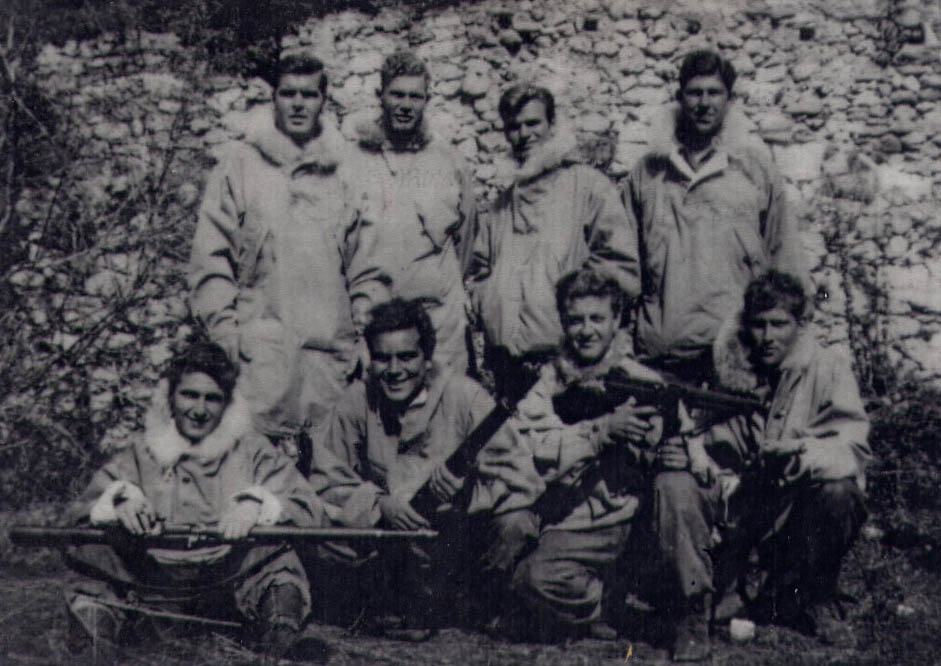
-
Memory Project Archive
Charles "Chic" Goodman (Primary Source)
Please be advised that Memory Project primary sources may deal with personal testimony that reflect the speaker’s recollections and interpretations of events. Individual testimony does not necessarily reflect the views of the Memory Project and Historica Canada.
"https://d3d0lqu00lnqvz.cloudfront.net/The-Memory-Project/image/107_600.jpg" // resources/views/front/categories/view.blade.php
https://d3d0lqu00lnqvz.cloudfront.net/The-Memory-Project/image/107_600.jpg
-
Memory Project Archive
Charles Gordon Owen (Primary Source)
Gordon Owen served as pioneer officer with 3 Battalion, Royal Canadian Regiment in Korea. On May 3, 1953 during the last stages of the Battle of Hill 187, Owen was captured by the Chinese and subjected to approximately four months as prisoner of war. He was one of 32 total Canadian POWs during the Korean War.Please be advised that Memory Project primary sources may deal with personal testimony that reflect the speaker’s recollections and interpretations of events. Individual testimony does not necessarily reflect the views of the Memory Project and Historica Canada.
"https://thecanadianencyclopedia.ca/images/tce_placeholder.jpg?v=e9dca980c9bdb3aa11e832e7ea94f5d9" // resources/views/front/categories/view.blade.php
https://thecanadianencyclopedia.ca/images/tce_placeholder.jpg?v=e9dca980c9bdb3aa11e832e7ea94f5d9
-
Memory Project Archive
Charles James McNeil Willoughby (Primary Source)
"You never hear a shell with your number on it. Those with the whine and the bang are marked for someone else." See below for Mr. Willoughby's entire testimony. Please be advised that Memory Project primary sources may deal with personal testimony that reflect the speaker’s recollections and interpretations of events. Individual testimony does not necessarily reflect the views of the Memory Project and Historica Canada.
"https://d3d0lqu00lnqvz.cloudfront.net/MemoryProject/CharlesJamesMcNeilWilloughby/15466_538.jpg" // resources/views/front/categories/view.blade.php
https://d3d0lqu00lnqvz.cloudfront.net/MemoryProject/CharlesJamesMcNeilWilloughby/15466_538.jpg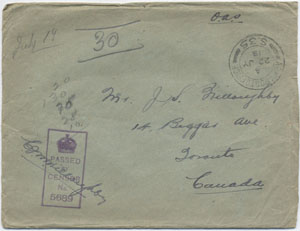
-
Memory Project Archive
Charles Scott-Brown (Primary Source)
Charles Scott-Brown served in the Canadian army during the Second World War. See below for his memories of D-Day, the Allied invasion of Normandy on June 6, 1944.Please be advised that Memory Project primary sources may deal with personal testimony that reflect the speaker’s recollections and interpretations of events. Individual testimony does not necessarily reflect the views of the Memory Project and Historica Canada.
"https://d3d0lqu00lnqvz.cloudfront.net/The-Memory-Project/image/6072_original.jpg" // resources/views/front/categories/view.blade.php
https://d3d0lqu00lnqvz.cloudfront.net/The-Memory-Project/image/6072_original.jpg
-
Memory Project Archive
Charles Snider (Primary Source)
"I'd been shelled the odd time, when they'd see vehicles moving. But we went in over what they call Camouflage Hill. And it was pretty well covered." See below for Mr. Snider's entire testimony. Please be advised that Memory Project primary sources may deal with personal testimony that reflect the speaker’s recollections and interpretations of events. Individual testimony does not necessarily reflect the views of the Memory Project and Historica Canada.
"https://d3d0lqu00lnqvz.cloudfront.net/MemoryProject/CharlesSnider/14720_538.jpg" // resources/views/front/categories/view.blade.php
https://d3d0lqu00lnqvz.cloudfront.net/MemoryProject/CharlesSnider/14720_538.jpg
-
Memory Project Archive
Charles Steinberg (Primary Source)
TranscriptAt that time, I weighed 111 pounds. And when [Camp] Petawawa [Canadian Artillery Training Centre] sent me overseas, I went to Greenock, Scotland, we landed. From Greenock, I went to Aldershot [main camp for the Canadian army in Britain]. That was a holding place. We stayed there for about a month. I had training over there. I went on the route march and I couldn’t walk. So I sat down and the officer told me,...
"https://d3d0lqu00lnqvz.cloudfront.net/MemoryProject/CharlesSteinberg/9084_original.jpg" // resources/views/front/categories/view.blade.php
https://d3d0lqu00lnqvz.cloudfront.net/MemoryProject/CharlesSteinberg/9084_original.jpg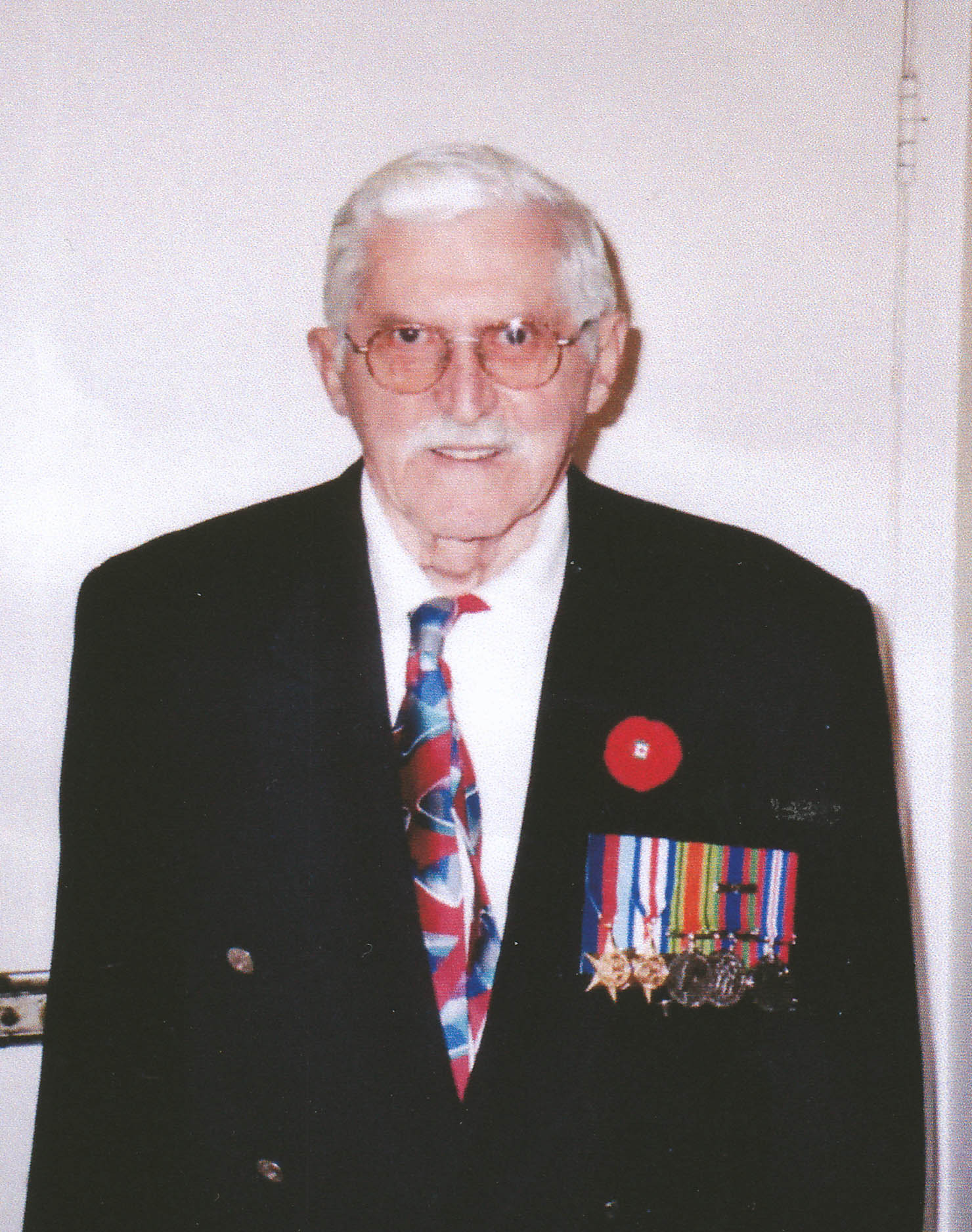
-
Memory Project Archive
Chris Young (Primary Source)
See below for Chris Young's entire testimony. Please be advised that Memory Project primary sources may deal with personal testimony that reflect the speaker’s recollections and interpretations of events. Individual testimony does not necessarily reflect the views of the Memory Project and Historica Canada.
"https://d3d0lqu00lnqvz.cloudfront.net/The-Memory-Project/image/15052_600.jpg" // resources/views/front/categories/view.blade.php
https://d3d0lqu00lnqvz.cloudfront.net/The-Memory-Project/image/15052_600.jpg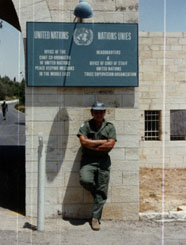
-
Memory Project Archive
Clair Oreal Hawn (Primary Source)
"And there was a sign, if you went over there to deliver messages, there was a sign that [said] “No speed limit -rush like hell”." See below for Mr. Hawn's entire testimony. Please be advised that Memory Project primary sources may deal with personal testimony that reflect the speaker’s recollections and interpretations of events. Individual testimony does not necessarily reflect the views of the Memory Project and Historica Canada.
"https://d3d0lqu00lnqvz.cloudfront.net/mpsb/vimy/ClairOrealHawn/6653_resize-1.jpg" // resources/views/front/categories/view.blade.php
https://d3d0lqu00lnqvz.cloudfront.net/mpsb/vimy/ClairOrealHawn/6653_resize-1.jpg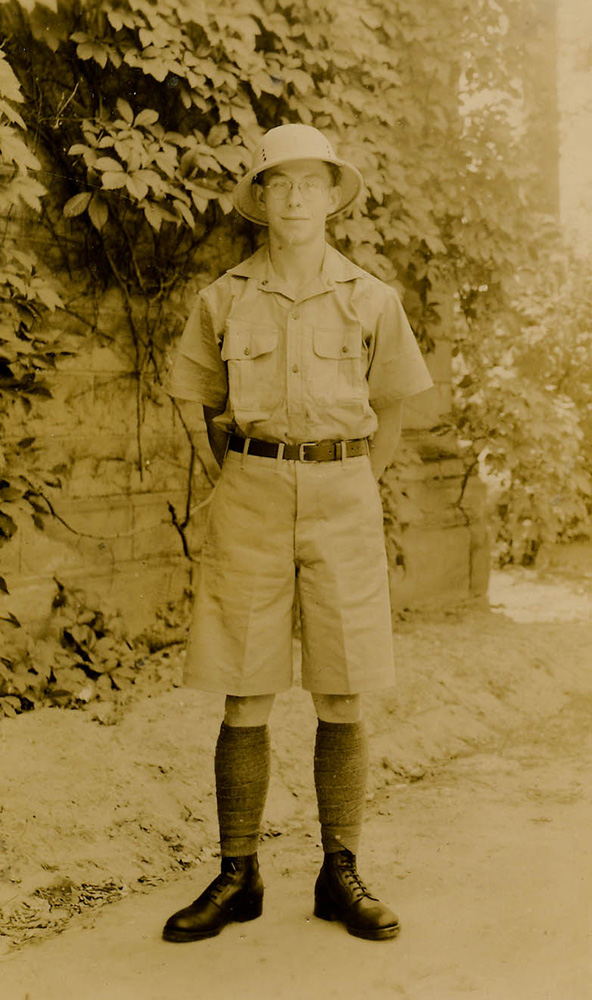
-
Memory Project Archive
Clarence Rutan (Primary Source)
Clarence Rutan served with the 2nd Battalion Princess Patricia's Canadian Light Infantry during the Korean War.Please be advised that Memory Project primary sources may deal with personal testimony that reflect the speaker’s recollections and interpretations of events. Individual testimony does not necessarily reflect the views of the Memory Project and Historica Canada.
"https://d3d0lqu00lnqvz.cloudfront.net/The-Memory-Project/image/9602_original.jpg" // resources/views/front/categories/view.blade.php
https://d3d0lqu00lnqvz.cloudfront.net/The-Memory-Project/image/9602_original.jpg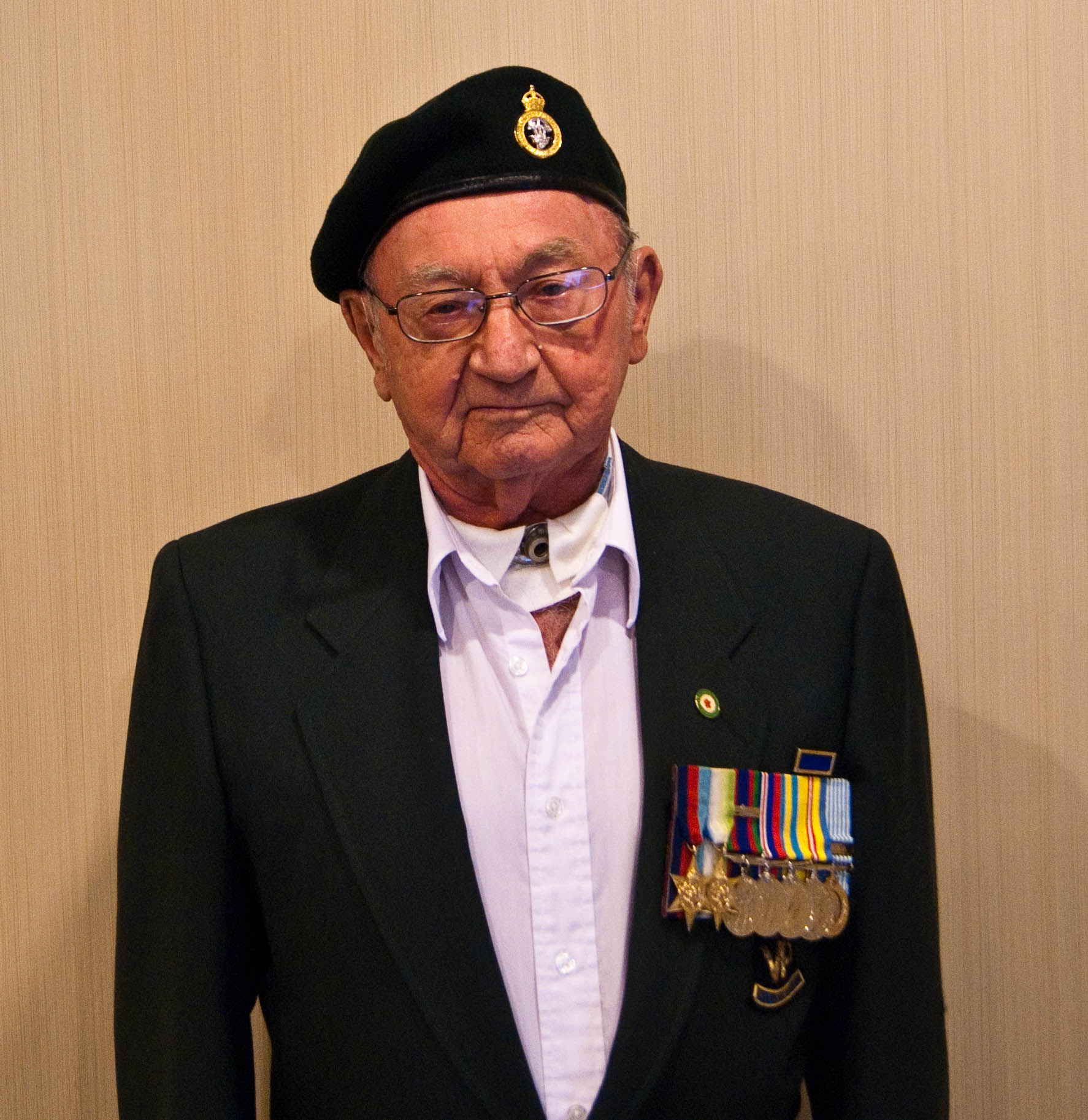
-
Memory Project Archive
Claude LaFrance (Primary Source)
Major-General Claude LaFrance joined the Royal Canadian Air Force in July 1947. Prior to his service in Korea, he instructed fighter pilots at RCAF Station Chatham (New Brunswick). In May 1952, he was seconded to a squadron of the US Air Force’s 39 Fighter-Interceptor Wing and flew the North American F-86 Sabre jet. On 5 August 1952, while leading a patrol of four, he shot down an enemy Mikoyan-Gurevich MiG-15 jet and chased the remaining aircraft back across the Yalu River. He was awarded the American Distinguished Flying Cross and Air Medal.Please be advised that Memory Project primary sources may deal with personal testimony that reflect the speaker’s recollections and interpretations of events. Individual testimony does not necessarily reflect the views of the Memory Project and Historica Canada.
"https://d3d0lqu00lnqvz.cloudfront.net/The-Memory-Project/image/14313_original.jpg" // resources/views/front/categories/view.blade.php
https://d3d0lqu00lnqvz.cloudfront.net/The-Memory-Project/image/14313_original.jpg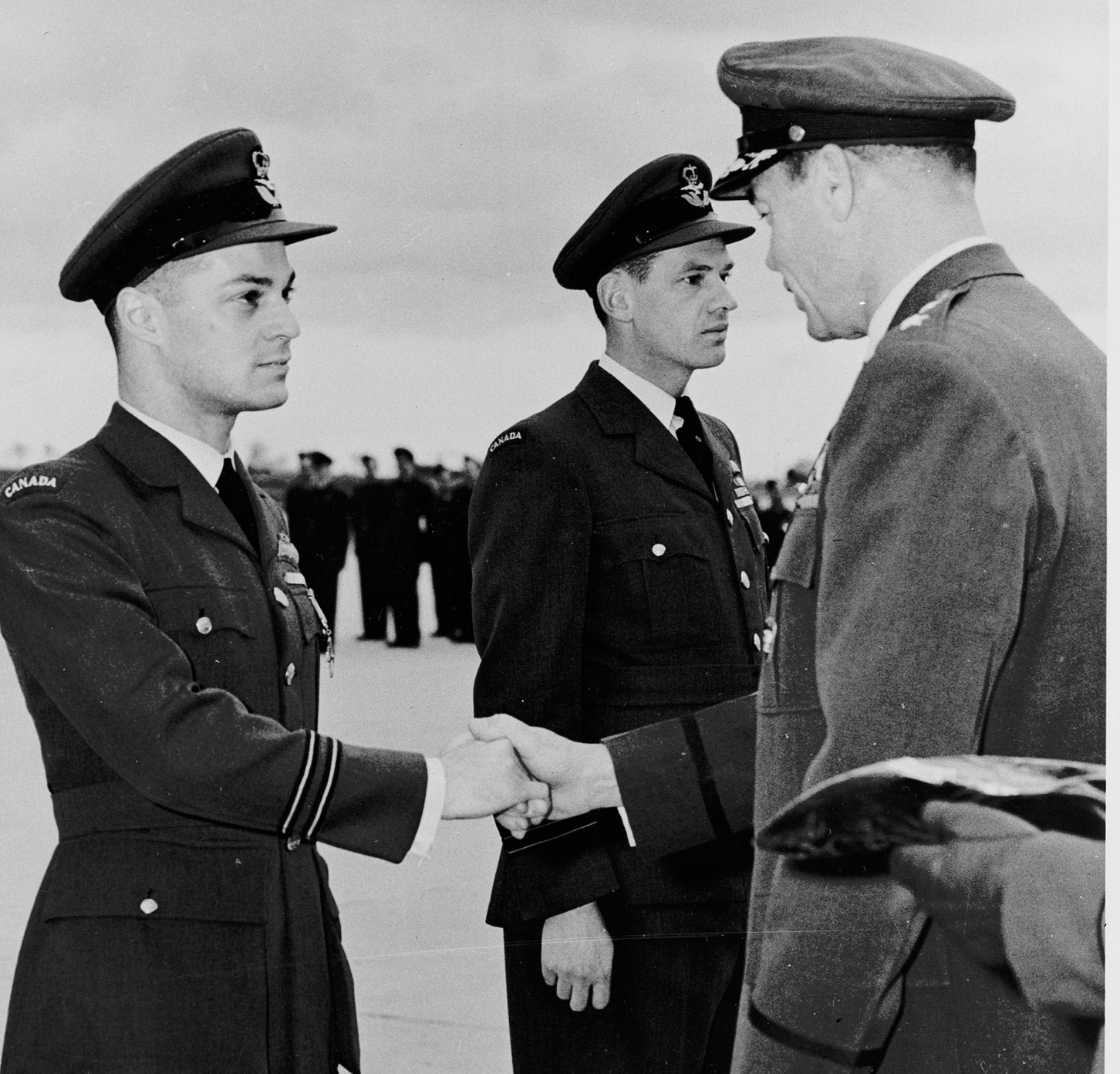
-
Memory Project Archive
Claude Loiseau (Primary Source)
Claude Loiseau served in the 3rd Battalion of the Royal 22e Regiment in the Korean War and fought in the Battle of Hill 187 in May 1953.Please be advised that Memory Project primary sources may deal with personal testimony that reflect the speaker’s recollections and interpretations of events. Individual testimony does not necessarily reflect the views of the Memory Project and Historica Canada.
"https://d3d0lqu00lnqvz.cloudfront.net/The-Memory-Project/image/9185_original.jpg" // resources/views/front/categories/view.blade.php
https://d3d0lqu00lnqvz.cloudfront.net/The-Memory-Project/image/9185_original.jpg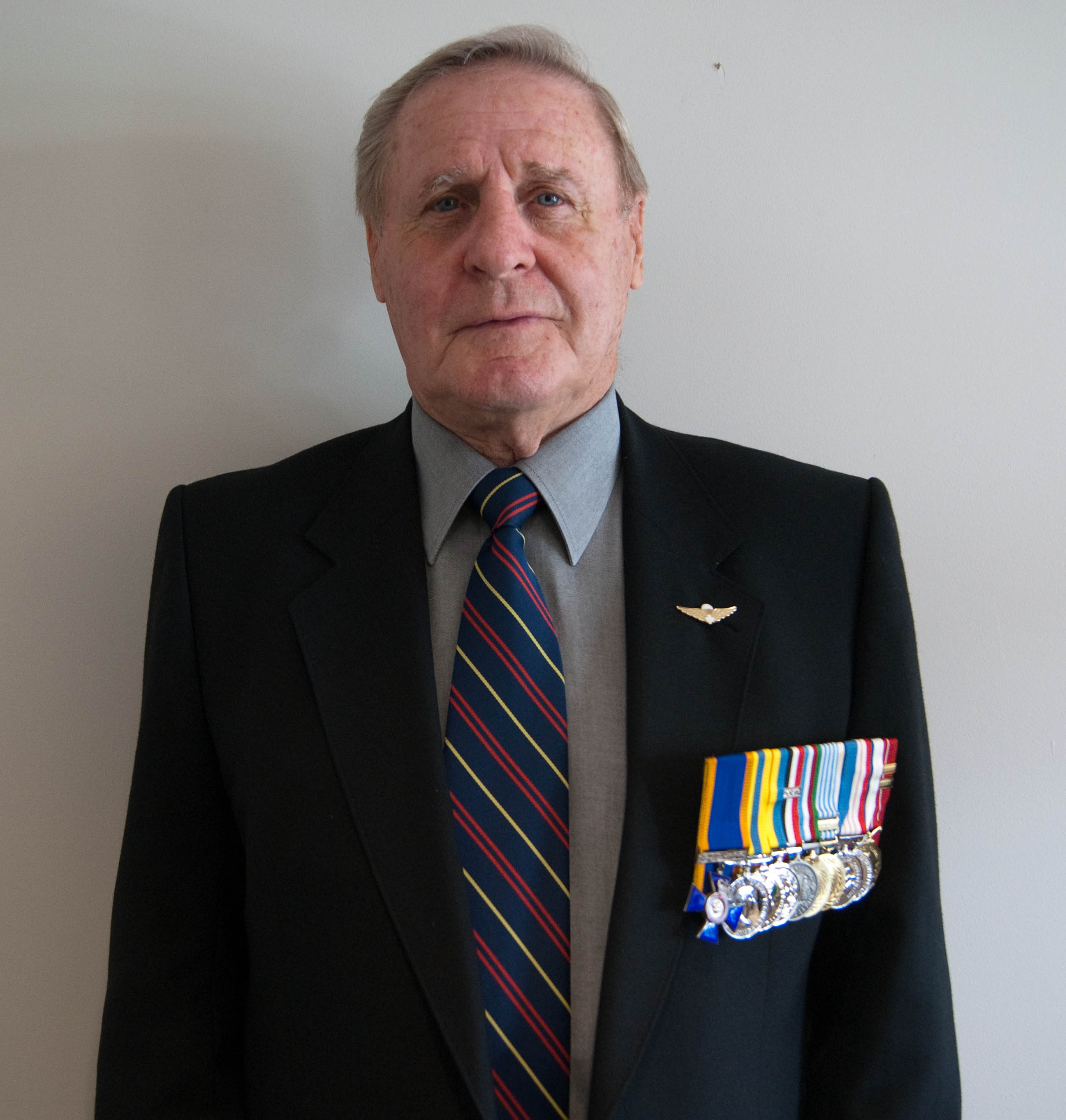
-
Memory Project Archive
Claude Petit (Primary Source)
"And all of a sudden, I was in the army. And I didn’t know what to say. I told my grandma I was just going for the day, she said it was okay. And I come back and I had seven days leave." See below for Mr. Petit's entire testimony. Please be advised that Memory Project primary sources may deal with personal testimony that reflect the speaker’s recollections and interpretations of events. Individual testimony does not necessarily reflect the views of the Memory Project and Historica Canada.
"https://d3d0lqu00lnqvz.cloudfront.net/MemoryProject/ClaudePetit/9542_original.jpg" // resources/views/front/categories/view.blade.php
https://d3d0lqu00lnqvz.cloudfront.net/MemoryProject/ClaudePetit/9542_original.jpg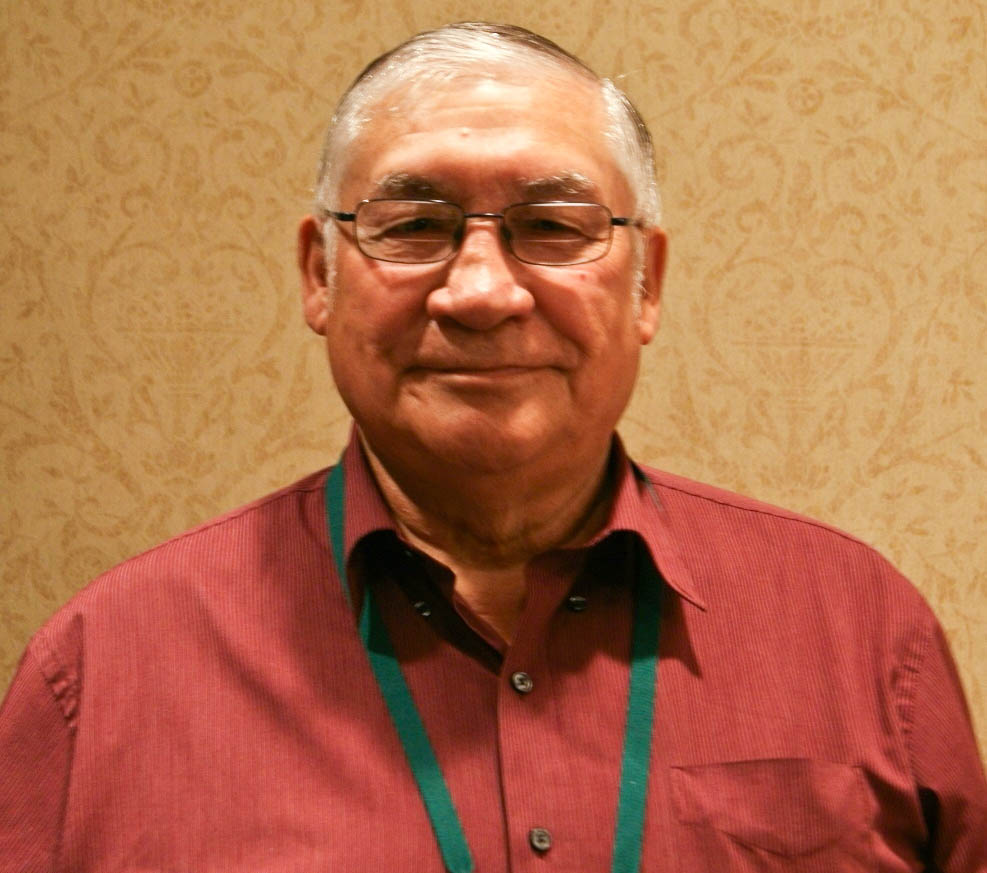
-
Memory Project Archive
Clayton Currie Leigh (Primary Source)
"I knew when I was hit because I was losing glycol; and I knew I had to get onto the ground, fast, before I burned. I landed and, unfortunately, I landed in the middle of the German Army and they came and took me right out."Clayton Currie Leigh served in the Royal Canadian Air Force during the Second World War. See his full testimony below.Please be advised that Memory Project primary sources may deal with personal testimony that reflect the speaker’s recollections and interpretations of events. Individual testimony does not necessarily reflect the views of the Memory Project and Historica Canada.
"https://d3d0lqu00lnqvz.cloudfront.net/mpsb/Clayton-Currie-Leigh/6681_original.jpg" // resources/views/front/categories/view.blade.php
https://d3d0lqu00lnqvz.cloudfront.net/mpsb/Clayton-Currie-Leigh/6681_original.jpg