Share on Facebook
 Share on X
 Share by Email
 Share on Google Classroom
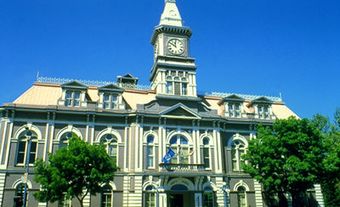
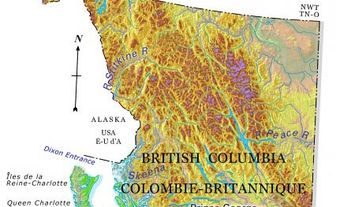
Tumbler Ridge, BC, incorporated as a district municipality in 1981, population 2,399 (2021 census), 1,987 (2016 census). The District of Tumbler Ridge is located in northeastern British Columbia, 120 km southwest of Dawson Creek.
Description
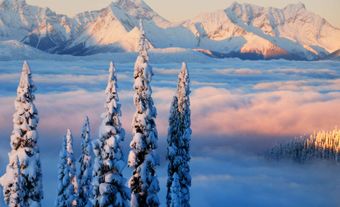
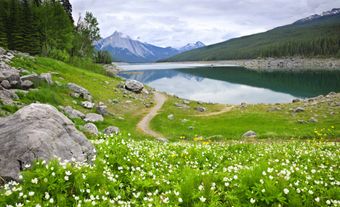
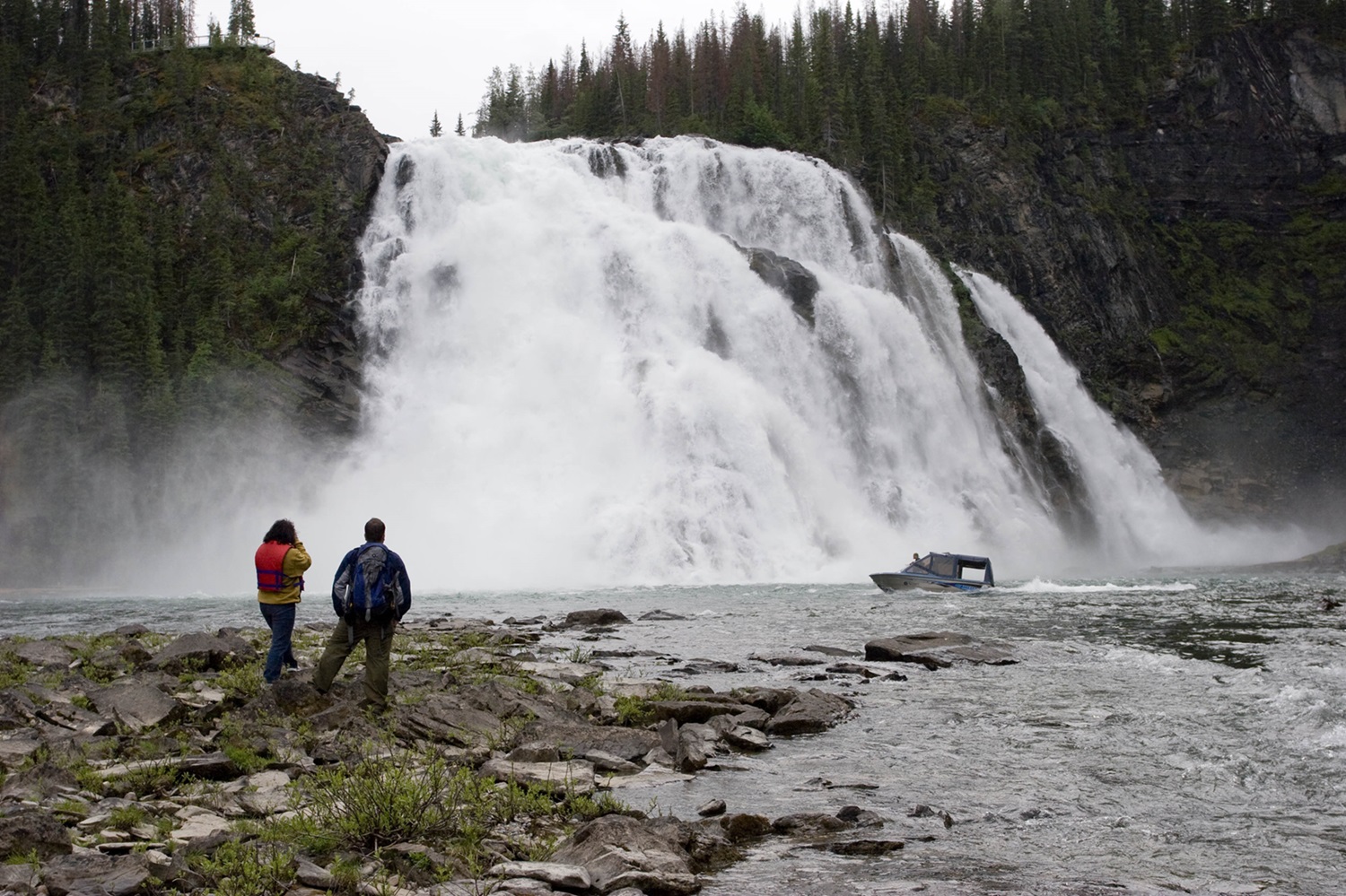
Tumbler Ridge is surrounded by the foothills of the Rocky Mountains, and two provincial parks, Monkman and Gwillim Lake, are close to the town. Kinuseo Falls in Monkman Provincial Park rivals Niagara Falls in height. The name Tumbler Ridge refers to a ridge north of the community on which there are numerous rockslides.
History
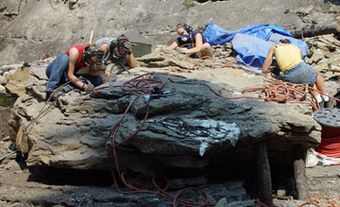
In the 1970s, large reserves of coal were found in the area. Tumbler Ridge was developed by the BC government in the early 1980s as a resource town to house the employees of two large coal companies, Quintette Coal Ltd and Bullmoose Operating Corporation. This coal supplied the Japanese steel industry. The community was dealt a severe blow in 2000 with the closing of the Quintette mine. Low prices and less demand for its coal were the main reasons for the closure. The Bullmoose mine completed its project lifespan and closed in 2003. Tumbler Ridge had three operating coal mines and resumed supplying coal to international markets in November 2005. Some of these mines later closed. The discovery of a dinosaur trackway in 2000 led to the unearthing of numerous fossil and bone deposits in the area.
Present Day
The community is pursuing economic diversification in the forestry, petroleum and tourism sectors.
On 23 September 2014, the area around Tumbler Ridge was designated a UNESCO Global Geopark for its geological importance. This area is North America’s second UNESCO Global Geopark. On 8 June 2023, nearby wildfires led to the community’s evacuation. Quinette mine restarted in 2024.
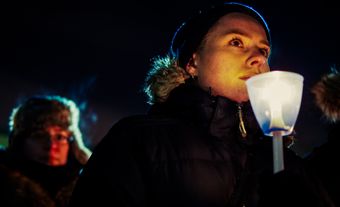
On 10 February 2026, a mass shooting at the Tumbler Ridge Secondary School and in a residence in the community resulted in the deaths of multiple people, including the suspect, with many more injured.