Share on Facebook
 Share on X
 Share by Email
 Share on Google Classroom
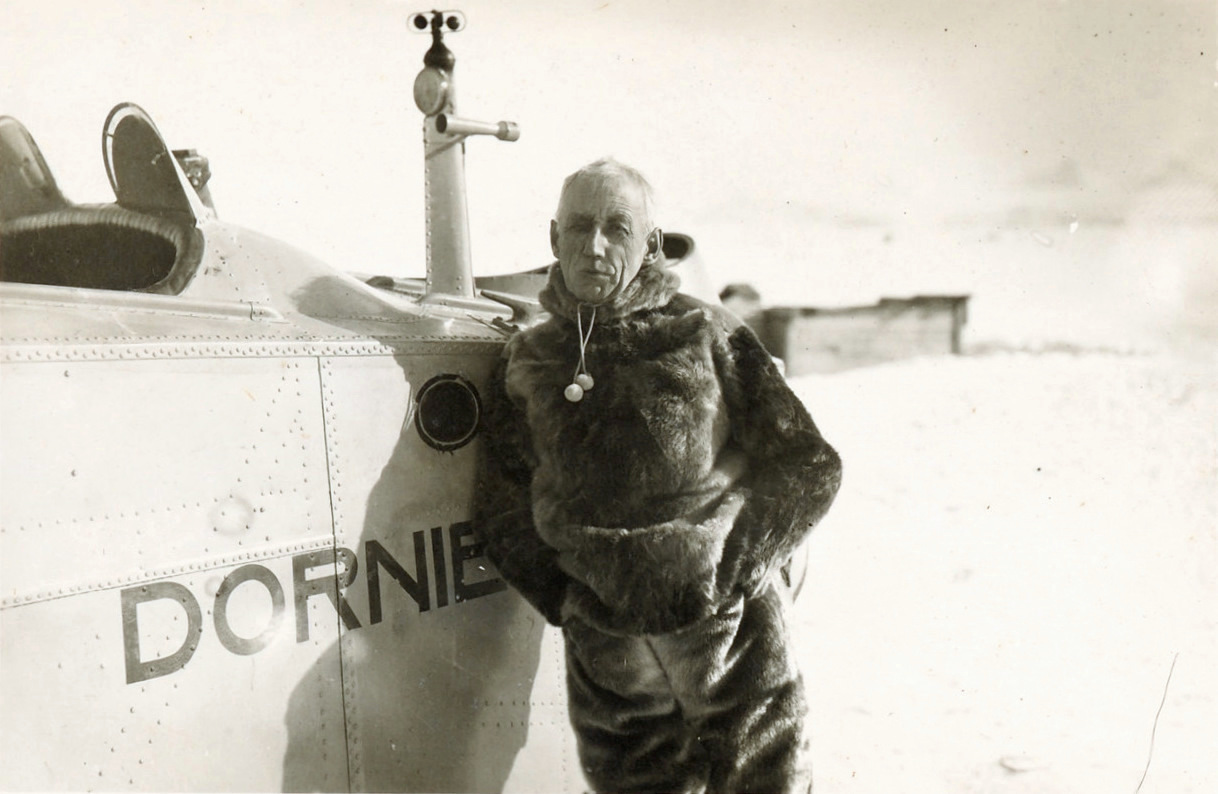
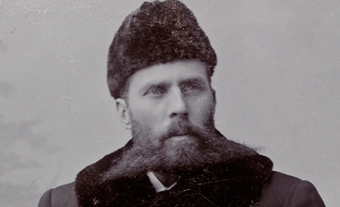
Roald Engelbregt Gravning Amundsen, polar explorer, public speaker and author (born 16 July 1872 in Borge, Norway; disappeared 18 June 1928 over the Barents Sea, Arctic Ocean). Roald Amundsen led the first successful expedition by sea through the Northwest Passage in the Canadian Arctic, sailing aboard the Gjøa from 1903 to 1906. During the voyage, he learned Inuit dress and Arctic survival practices that would be crucial to the success of his future voyages. In 1911, Amundsen became the first person to reach the South Pole. In 1926, he travelled to the Arctic by airship as part of the first verified expedition to reach the North Pole. (See also Arctic Exploration.)
Early Life
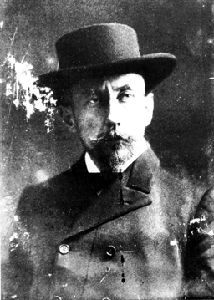
Roald Amundsen was the youngest of four sons for Jens Amundsen (1820–86) and Hanne Gustava Sahlqvist (1837–93). The Amundsen family were shipowners and sea captains, but his mother encouraged him to become a doctor. In 1890, Amundsen began his medical studies at the Royal Frederick University (now the University of Oslo) in Kristiania (now Oslo), but he left the university after his mother died without completing his degree.
In 1889, sixteen-year-old Amundsen was one of tens of thousands of people who gathered in Kristiania to welcome Fridtjof Nansen, who had become the first European polar explorer to ski across the interior of Greenland. Amundsen later wrote in his memoirs, “I walked that day among the banners and cheers and all the dreams of my boyhood woke to storming life. And for the first time I heard, in my secret thoughts, the whisper clear and insistent: If you could do the North-West Passage!” After reading about the voyages of Sir John Franklin, Amundsen also wrote, “I irretrievably decided to be an Arctic explorer.”
Belgica Antarctica Expedition
Although Roald Amundsen was an accomplished skier, he had no seafaring experience, which made it difficult to secure a place on a polar expedition. In 1895, however, he passed his shipmate examination and, in 1897, sailed as first mate aboard the Belgica. The ship sailed from Antwerp in August 1897, bound for Antarctica. It arrived in Graham Land, Antarctica, in January 1898 but became trapped in the ice. The crew was compelled to spend the winter with inadequate supplies in the Bellingshausen Sea and suffered from scurvy and mental illness in the polar winter darkness. Amundsen survived by eating raw penguin meat, which he described as tasting “not unlike beef.” The Belgica did not return to Antwerp until November 1899. Although the Belgica expedition was a disaster, Amundsen gained valuable experience for his future voyages.
The Northwest Passage
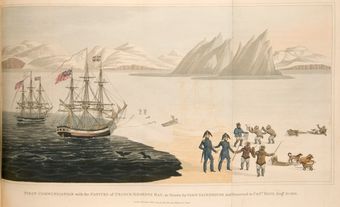
In 1900, Roald Amundsen received his ship captain’s licence and, in 1901, purchased the ship Gjøa, spending his entire inheritance from his parents. Despite funding from King Oscar II of Sweden and Norway, Amundsen went bankrupt outfitting the Gjøa and employing six crew members. The expedition had to depart Oslo abruptly in a storm on 16 June 1903 to evade creditors seeking to impound the ship. After stopping in Qeqertarsuaq (Godhavn, in Danish), Greenland, to purchase supplies and sled dogs (including six dogs from Otto Sverdrup’s voyage to the Sverdrup Islands), the Gjøa sailed west into the Northwest Passage. In August, Amundsen and his crew reached Beechey Island, where they visited the graves of three crew members from the Franklin expedition: John Torrington, William Braine and John Hartnell.
During his two winters in what is now Gjoa Haven on King William Island, Amundsen measured the location of the North Magnetic Pole, proving that it moves in a regular manner. He also conducted anthropological research concerning Inuit culture, technology and adaptation to the climactic conditions of the Canadian Arctic. Amundsen was particularly interested in traditional Inuit dress, transport and use of sled dogs, and his time spent living among the Inuit contributed to his success on his subsequent voyage to the South Pole.
Amundsen was greatly impressed by the Inuit, writing at the conclusion of the voyage, “I don’t think that we will ever meet better people in our lifetime.” Amundsen’s second mate on the Gjøa, Helmer Hanssen, recalled of the Inuit, “Amundsen had asked us to treat them with the greatest kindness so that we could depend on them as friends if we ever needed their help.” In August 1906, the Gjøa sailed through Simpson Strait to Cambridge Bay, arriving in Nome, Alaska, at the end of the month. It was the first ship to successfully sail through the Northwest Passage.

Return to Norway
Roald Amundsen left the Gjøa in San Francisco and went on a lecture tour across the United States. The Gjøa is now preserved at The Fram Museum in Oslo.
Norway had achieved independence from the Swedish Crown in 1905, and Amundsen returned to Norway from the Northwest Passage as a national hero. The Norwegian parliament voted to pay all outstanding debts from the voyage. A selection of Amundsen’s journals from the Gjøa voyage, translated into English as Roald Amundsen’s The North West Passage and published in 1908, became a modest commercial success.
Planned North Pole Expedition
Following a lecture series in the United States and Europe in 1906 and 1907, Roald Amundsen announced that his next voyage would be to the North Pole. Fridtjof Nansen, who had attempted to reach the North Pole in 1893 to 1896, gave Amundsen permission to borrow his ship the Fram, which had been built to withstand the Arctic ice. King Haakon VII and Queen Maud of Norway, along with the Norwegian parliament, provided funding, but Amundsen struggled to secure private donors and instead turned his attention to the South Pole.
Race to the South Pole
Roald Amundsen and the Fram left Kristiansand, Norway, on 10 August 1910. He informed his crew on 9 September 1910 that they would instead travel to the South Pole. British naval officer Robert Falcon Scott had departed for Antarctica in June and, although there was no contact between Scott and Amundsen, their expeditions became known in the press as “The Race to the South Pole.”
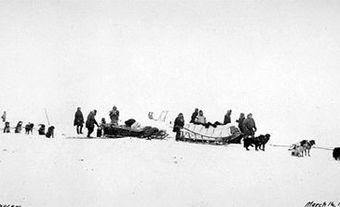
The Fram arrived in the Bay of Whales in Antarctica on 14 January 1911, and Amundsen led a five-person team on skis to the South Pole with 52 sled dogs (only 11 dogs would return to the base camp, as 22 were left behind to run wild on the ice and become inhabitants of Antarctica). Amundsen and his team’s first push toward the South Pole was led by a small group on 8 September, but it was quickly abandoned due to extreme temperatures. A second team left the base camp on 19 October and arrived at the South Pole on 14 December. Amundsen planted the Norwegian flag at the South Pole and left a letter for King Haakon VII with a request for Scott to deliver it for him once he reached the pole.
Amundsen’s success was overshadowed by the death of Scott in March 1912 on the Ross Ice Shelf in Antarctica. The Scott expedition had reached the pole 34 days after Amundsen. While Amundsen had relied on sled dogs to pull his supply sledges and wore sealskin clothing inspired by Inuit traditional dress, Scott had worn woollen clothing and used ponies and manpower to transport supplies. The Amundsen expedition was closely focused on reaching the South Pole, while the Scott expedition had wider scientific goals. Amidst the acclaim for his achievement, Amundsen received some negative scrutiny in the press for triggering a “race” to the South Pole by changing his original plan to travel to the Arctic. Amundsen undertook successful lecture tours in North America and Europe and published a book about the South Pole in 1913, but he did not receive the same recognition in the United Kingdom.
The Maud Expedition
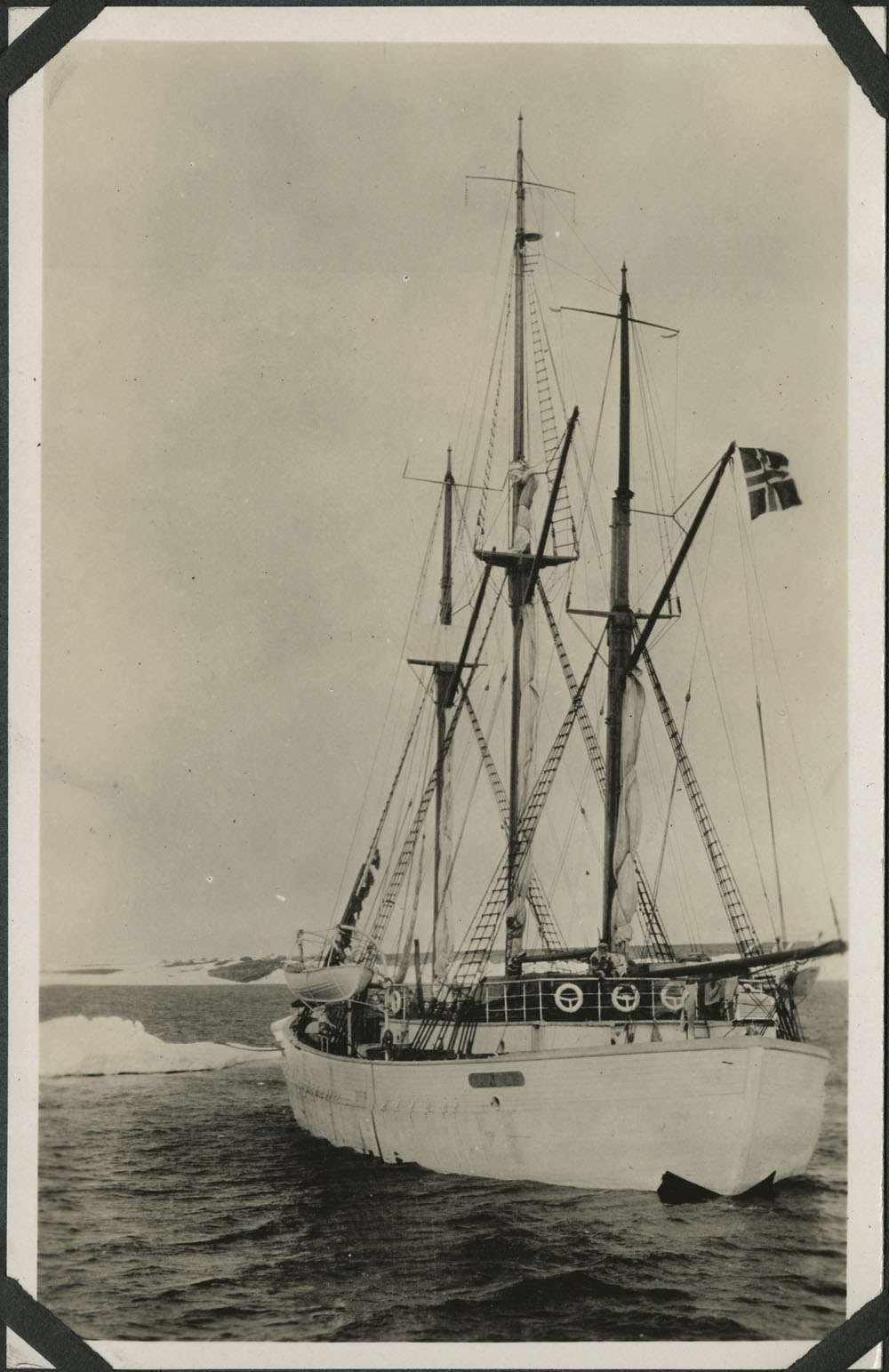
From 1918 to 1925, Roald Amundsen sailed through the Northeast Passage and Bering Strait in an effort to reach the North Pole by following Arctic currents and ice floes. Amundsen considered the Maud expedition a failure because he failed to reach the North Pole. By traversing the Northeast Passage after his previous voyage through the Northwest Passage, however, he became the first polar explorer to circumnavigate the Arctic Ocean.
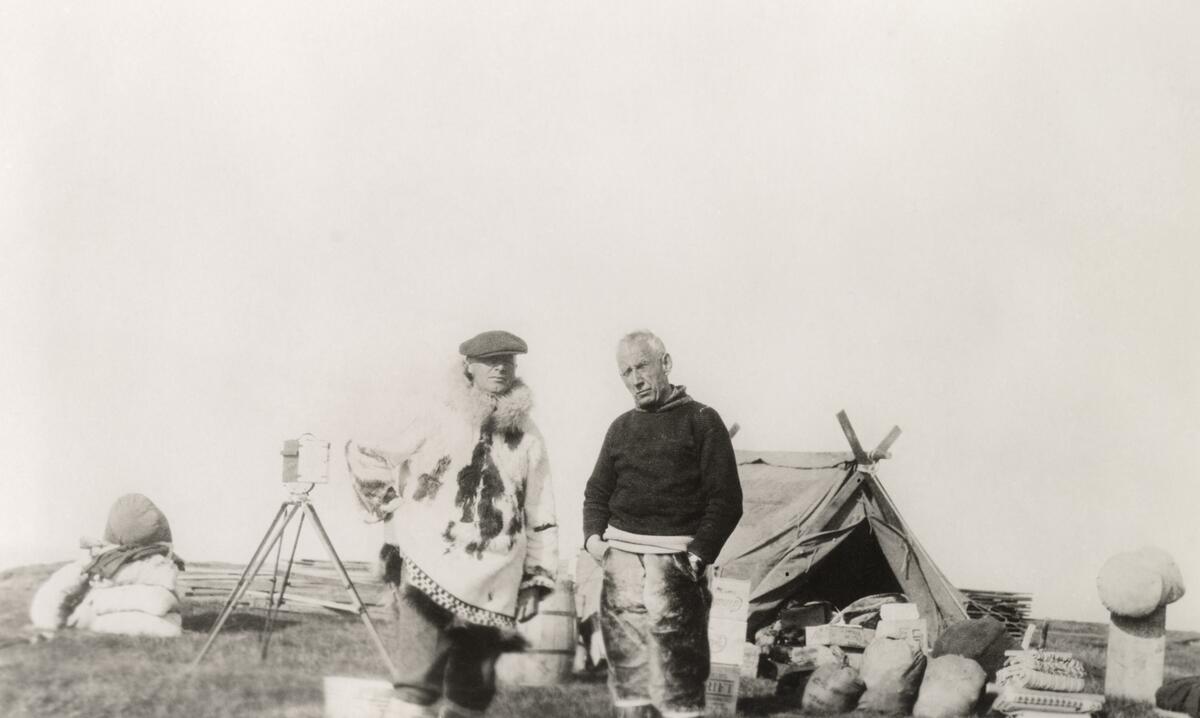
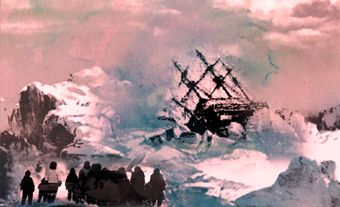
In 1925, the Maud was sold to the Hudson’s Bay Company by Amundsen’s creditors. The Hudson’s Bay Company renamed the ship the Baymaud, and it became a supply ship for company outposts in the western Canadian Arctic, as well as a model for the RCMP ship St. Roch. The ship sank in Cambridge Bay in 1930. The wreck of the Maud was salvaged by Norwegian investors and returned to Vollen, Norway, in 2018.
Did you know?
Roald Amundsen named the Queen Maud Gulf in the Canadian Arctic, Queen Maud Land and Queen Maud Mountains in Antarctica, and his ship, the Maud, after Queen Maud of Norway, whom he described as “our beloved queen.” Maud was the youngest daughter of King Edward VII and Queen Alexandra and a sister of King George V. She became queen consort of Norway when her husband accepted the Norwegian throne as King Haakon VII in 1905. An enthusiastic amateur athlete who enjoyed riding and cycling, Maud endeared herself to the Norwegian people by taking up skiing, which encouraged other women to ski.
North Pole
On 12 May 1926, Roald Amundsen became part of the first verified expedition over the North Pole, travelling with a 15-member crew aboard the Norge airship. The Norge was designed and piloted by Italian aviator and aeronautical engineer Umberto Nobile and financed by wealthy American polar explorer Lincoln Ellsworth and the Norwegian Aeronautical Society. On 5 May, the Norge departed from Gatchina, outside Leningrad (now St. Petersburg), in the Soviet Union, flying over the North Pole on 12 May. Amundsen, Nobile and Ellsworth dropped Norwegian, Italian and American flags from the Norge and landed in Teller, Alaska, on 14 May. Several polar explorers claimed to have reached the North Pole before Amundsen, including his Belgica shipmate Frederick A. Cook in 1908, Robert Peary in 1909 and Richard Evelyn Byrd on 9 May 1926. These claims, however, are disputed by scientists and historians.
Foster Children
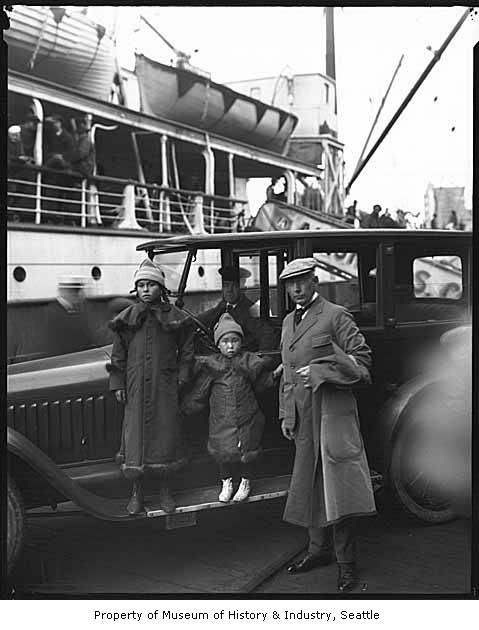
Roald Amundsen never married or fathered known children, though there are Inuit living in Gjoa Haven who claim descent from Amundsen and members of his crew. From the voyage of the Maud, Amundsen fostered two Chukchi girls from northern Siberia — Nita Kakot Amundsen (1916–74) and Camilla Carpendale (1909–74) — both of whom eventually settled in British Columbia.
Disappearance
In 1928, Roald Amundsen volunteered to lead a rescue mission when Umberto Nobile’s airship, Italia, crashed during an expedition to the North Pole. Amundsen, French pilot René Guilbaud and five crew members left Tromsø, Norway, on 18 June 1928 aboard the Latham 47 flying airboat. In August, pieces of the airboat washed ashore on the Norwegian coast. Amundsen’s remains have never been found. In his eulogy at Amundsen’s memorial service, Fridtjof Nansen declared, “From the great silence, his name will shine in the glory of the northern lights for centuries to come.”