Article
Lettuce
Lettuce (Lactuca sativa) is an annual vegetable belonging to the Compositae family.

Signing up enhances your TCE experience with the ability to save items to your personal reading list, and access the interactive map.
Create Account"https://d3d0lqu00lnqvz.cloudfront.net/media/media/612f2ae4-e91a-4dd8-befc-53eae2b2bee0.jpg" // resources/views/front/categories/view.blade.phphttps://d3d0lqu00lnqvz.cloudfront.net/media/media/612f2ae4-e91a-4dd8-befc-53eae2b2bee0.jpg

"https://d3d0lqu00lnqvz.cloudfront.net/media/media/5fe2870d-d68e-42fc-8552-596cf7670004.jpg" // resources/views/front/categories/view.blade.phphttps://d3d0lqu00lnqvz.cloudfront.net/media/media/5fe2870d-d68e-42fc-8552-596cf7670004.jpg

Article
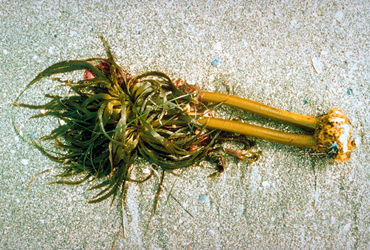
About a third of the world's estimated 400 000 species of higher or vascular plants have probably been used for medicinal purposes by indigenous societies, generally in a raw or minimally processed form.
"https://d3d0lqu00lnqvz.cloudfront.net/media/media/7fef297e-e301-4ad4-8cc1-d64bd2f9e902.jpg" // resources/views/front/categories/view.blade.phphttps://d3d0lqu00lnqvz.cloudfront.net/media/media/7fef297e-e301-4ad4-8cc1-d64bd2f9e902.jpg
Article
The melon (Cucumis melo), is an annual, viny plant of the Cucurbitaceae family. The most important cultivated groups are cantaloupe, muskmelon, winter melon and sugar melon.
"https://d3d0lqu00lnqvz.cloudfront.net/media/media/c5d66760-a348-43b1-af55-7b9263c442cb.jpg" // resources/views/front/categories/view.blade.phphttps://d3d0lqu00lnqvz.cloudfront.net/media/media/c5d66760-a348-43b1-af55-7b9263c442cb.jpg

Article
Millets are various, usually annual, grass (family Poaceae) crops that are often grown as cereals (ie, the seeds are harvested as grain for human consumption).
"https://d3d0lqu00lnqvz.cloudfront.net/media/media/551430a6-8d74-48fd-9f95-c75d3111ef4d.jpg" // resources/views/front/categories/view.blade.phphttps://d3d0lqu00lnqvz.cloudfront.net/media/media/551430a6-8d74-48fd-9f95-c75d3111ef4d.jpg

"https://www.thecanadianencyclopedia.ca/images/tce_placeholder.jpg?v=e9dca980c9bdb3aa11e832e7ea94f5d9" // resources/views/front/categories/view.blade.phphttps://www.thecanadianencyclopedia.ca/images/tce_placeholder.jpg?v=e9dca980c9bdb3aa11e832e7ea94f5d9

Article
Oats (Avena sativa), member of the grass family (Gramineae), are grown for cereal grains.
"https://d3d0lqu00lnqvz.cloudfront.net/media/media/05d93051-ce06-4c9a-8160-1b469bf5192f.jpg" // resources/views/front/categories/view.blade.phphttps://d3d0lqu00lnqvz.cloudfront.net/media/media/05d93051-ce06-4c9a-8160-1b469bf5192f.jpg

Article
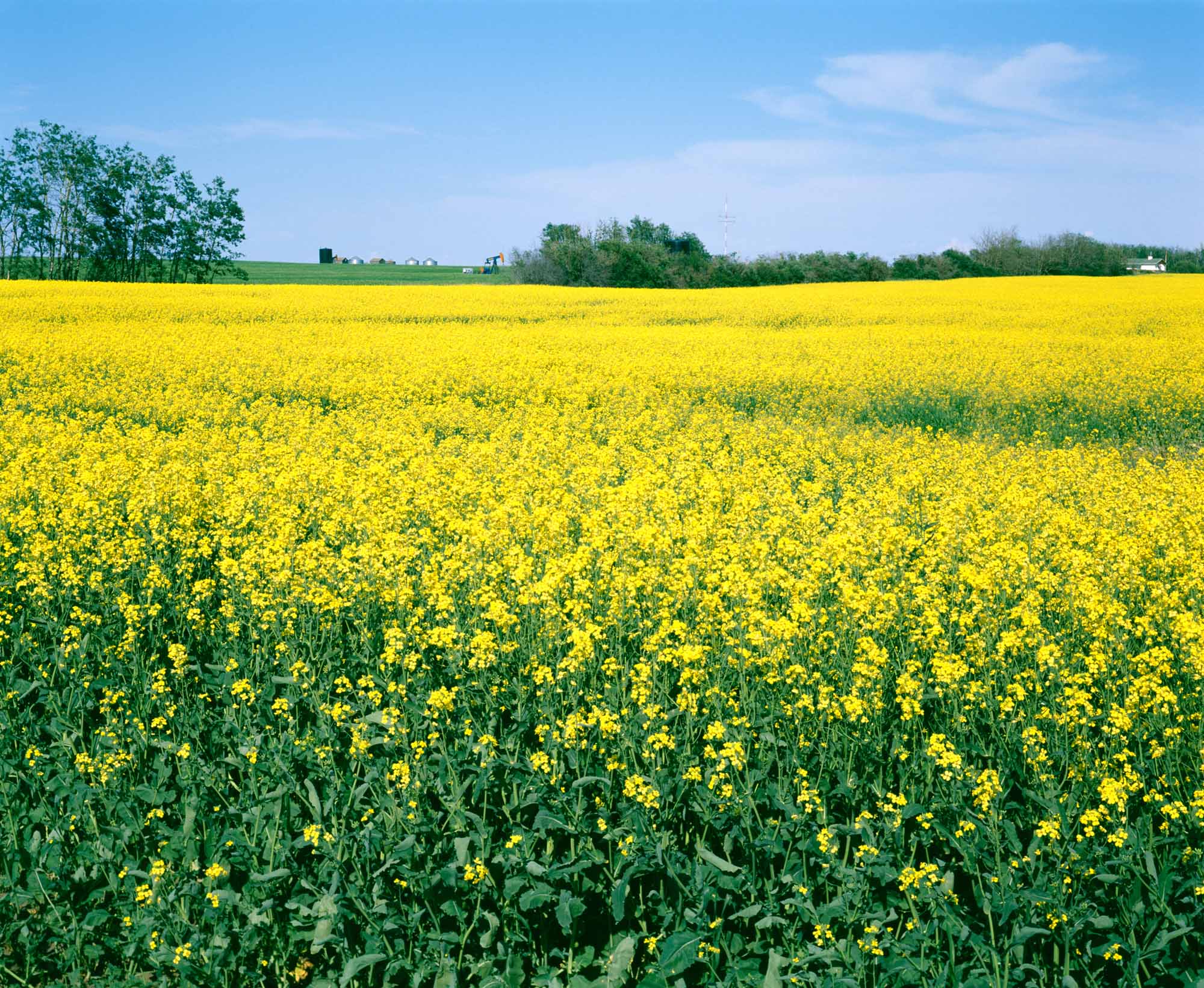
Oilseed Crops are grown primarily for the oil contained in the seeds. The oil content of small grains (eg, wheat) is only 1-2%; that of oilseeds ranges from about 20% for soybeans to over 40% for sunflowers and rapeseed (canola).
"https://d3d0lqu00lnqvz.cloudfront.net/media/media/dc2050ae-b79f-4f42-9cb0-d37a157abffa.jpg" // resources/views/front/categories/view.blade.phphttps://d3d0lqu00lnqvz.cloudfront.net/media/media/dc2050ae-b79f-4f42-9cb0-d37a157abffa.jpg
Article
The onion (Allium cepa), is a biennial, herbaceous plant of the Amaryllidaceae family. It is Canada's most important condiment crop. (Multiplier Onion) and A.
"https://d3d0lqu00lnqvz.cloudfront.net/media/media/21845109-8105-4ea3-a368-aae28d173cd0.jpg" // resources/views/front/categories/view.blade.phphttps://d3d0lqu00lnqvz.cloudfront.net/media/media/21845109-8105-4ea3-a368-aae28d173cd0.jpg

Article
Organic agriculture is defined as the sustainable cultivation of land for food production that nourishes soil life, nurtures animals in their natural environment and feeds them according to their physiology.
"https://www.thecanadianencyclopedia.ca/images/tce_placeholder.jpg?v=e9dca980c9bdb3aa11e832e7ea94f5d9" // resources/views/front/categories/view.blade.phphttps://www.thecanadianencyclopedia.ca/images/tce_placeholder.jpg?v=e9dca980c9bdb3aa11e832e7ea94f5d9
Article
The parsnip (Pastinaca sativa) is a perennial plant grown as an annual vegetable crop and belonging to the Umbelliferae family.
"https://d3d0lqu00lnqvz.cloudfront.net/media/media/b268a50c-de8b-4e74-a99a-6c6090c85126.jpg" // resources/views/front/categories/view.blade.phphttps://d3d0lqu00lnqvz.cloudfront.net/media/media/b268a50c-de8b-4e74-a99a-6c6090c85126.jpg

Article
Some pea cultivars are grown in gardens for their tender green pods as VEGETABLES, which are harvested at their early stage of development, and eaten raw or cooked. They are known as snowpeas, sugar peas or snap peas. In parts of Asia and Africa, tender pea foliage is harvested as vegetable.
"https://d3d0lqu00lnqvz.cloudfront.net/media/media/c93aa17c-6f82-4a85-a663-e17d602ee501.jpg" // resources/views/front/categories/view.blade.phphttps://d3d0lqu00lnqvz.cloudfront.net/media/media/c93aa17c-6f82-4a85-a663-e17d602ee501.jpg

Article
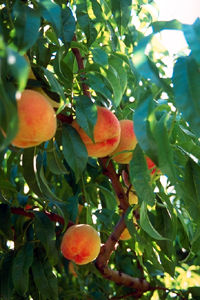
The peach (Prunus persica) is the most widely grown stone fruit. It is native to China and was introduced to Europe 2,000 years ago. Peaches are now grown in temperate zones, worldwide.
"https://d3d0lqu00lnqvz.cloudfront.net/media/media/fb8c1081-f2fa-4a00-848f-89df93bd69cd.jpg" // resources/views/front/categories/view.blade.phphttps://d3d0lqu00lnqvz.cloudfront.net/media/media/fb8c1081-f2fa-4a00-848f-89df93bd69cd.jpg
Article
The pear (genus Pyrus) is a common name for over 20 species of fruit-bearing and ornamental trees of the rose family.
"https://d3d0lqu00lnqvz.cloudfront.net/media/media/31c0ebb8-704b-4744-a9da-2776a02399be.jpg" // resources/views/front/categories/view.blade.phphttps://d3d0lqu00lnqvz.cloudfront.net/media/media/31c0ebb8-704b-4744-a9da-2776a02399be.jpg

Article
Pepper (Capsicum annuum) is a perennial plant, cultivated as an annual and belonging to the nightshade family.
"https://d3d0lqu00lnqvz.cloudfront.net/media/media/63e5fe3e-d018-4a90-bfa7-b4e1e6fd7997.jpg" // resources/views/front/categories/view.blade.phphttps://d3d0lqu00lnqvz.cloudfront.net/media/media/63e5fe3e-d018-4a90-bfa7-b4e1e6fd7997.jpg
