Share on Facebook
 Share on X
 Share by Email
 Share on Google Classroom
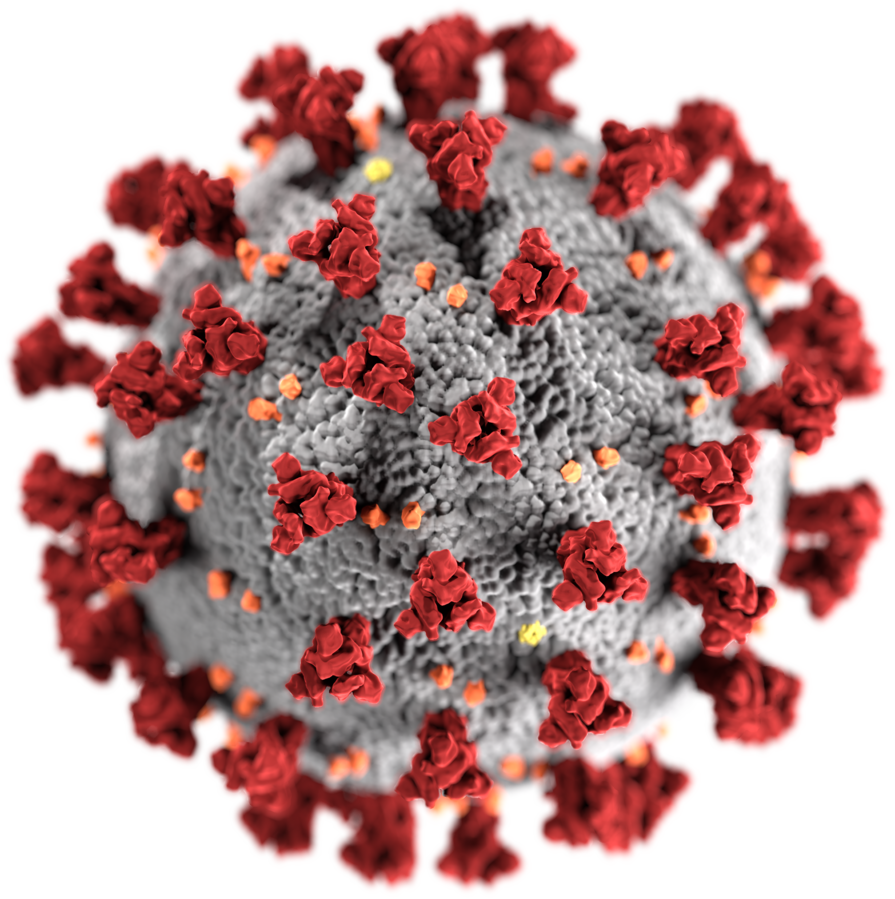
Virus, the smallest form of life (20–300 nanometres), is structurally and functionally unique. Their size is such that they do not contain enough genetic material to code for the proteins they require for reproduction, nor do they have ribosomes needed to synthesize these proteins. Therefore, being obliged to enter permissive host cells that assist them to reproduce, they are obligate intracellular parasites implicated in diseases of humans, other animals and plants.
Canadian Research
Specialists in microbiology, molecular biology, biochemistry, immunology and other biological sciences are engaged in interdisciplinary research to identify, describe and control disease-causing viruses. In Canada, research into human viral diseases is carried out primarily in universities and hospitals and is funded largely by federal and provincial grants, as well as by targeted philanthropic agencies. Agriculture Canada and certain universities have extensive programs on viral diseases of animals. Work on plant viruses is conducted at Agriculture Canada Research Stations and in plant pathology laboratories connected to university departments of botany or biology.
Structure and Function
The mature virus organism (virion) consists of viral genes contained in a protective protein shell (a capsid). Viral genes may be deoxyribonucleic acid (DNA) or ribonucleic acid (RNA); genetic RNA is unique to viruses. RNA viruses include enteroviruses (eg, causing poliomyelitis), rhinoviruses (common cold), rhabdoviruses (rabies), paramyxoviruses (measles), orthomyxoviruses (influenza) and almost all plant viruses.
DNA viruses include papovaviruses (warts), adenoviruses (acute respiratory disease), herpesviruses (cold sores, infectious mononucleosis, chickenpox), poxviruses (smallpox, cowpox), hepatitis B, and many viruses that infect bacteria (bacteriophages) and insects.
Similarly, plant-specific viruses (discovered by Russian botanist Dimitri Ivanovsky in 1892) and animal-specific viruses (discovered by Friedrich Loeffler and Paul Frosch in 1898) have preferred host cells. Such preferences may stem from the origins of viruses, which are thought by some theorists to be degenerate, subcellular, self-replicating particles.
Viruses infect cells by fusion, endocytosis or injection. In viruses of a certain structure, the viral envelope fuses with the cell membrane of a host cell and the virus genome it contains is introduced into the cell. In endocytosis the host cell engulfs
the virus, engulfment being triggered by contact with a viral particle, and the nucleic material is released from the capsid.
Cells undergoing a lytic virus infection frequently have their own synthetic processes inhibited but produce hundreds of identical copies of the infecting virion. The replicative strategies employed by RNA viruses are diverse and complex, depending upon whether the virus genome can function directly as messenger RNA, which instructs host cell ribosomes (cell organelles through which protein synthesis occurs) to make viral enzymes and proteins, or whether messenger RNA must be synthesized on the viral genetic template, before protein and enzyme synthesis can proceed.
Viruses cause major diseases in plants and animals, but there are few effective methods for cure. Plant breeding may yield strains resistant to viruses, but this avenue of approach is unavailable to humans.
More successful efforts have been directed towards the development of vaccines for preventing viral disease. Properly administered, such vaccines have resulted in the worldwide eradication of smallpox and the virtual disappearance of poliomyelitis, measles
and rubella from specific populations.