Share on Facebook
 Share on X
 Share by Email
 Share on Google Classroom
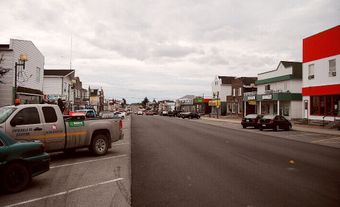
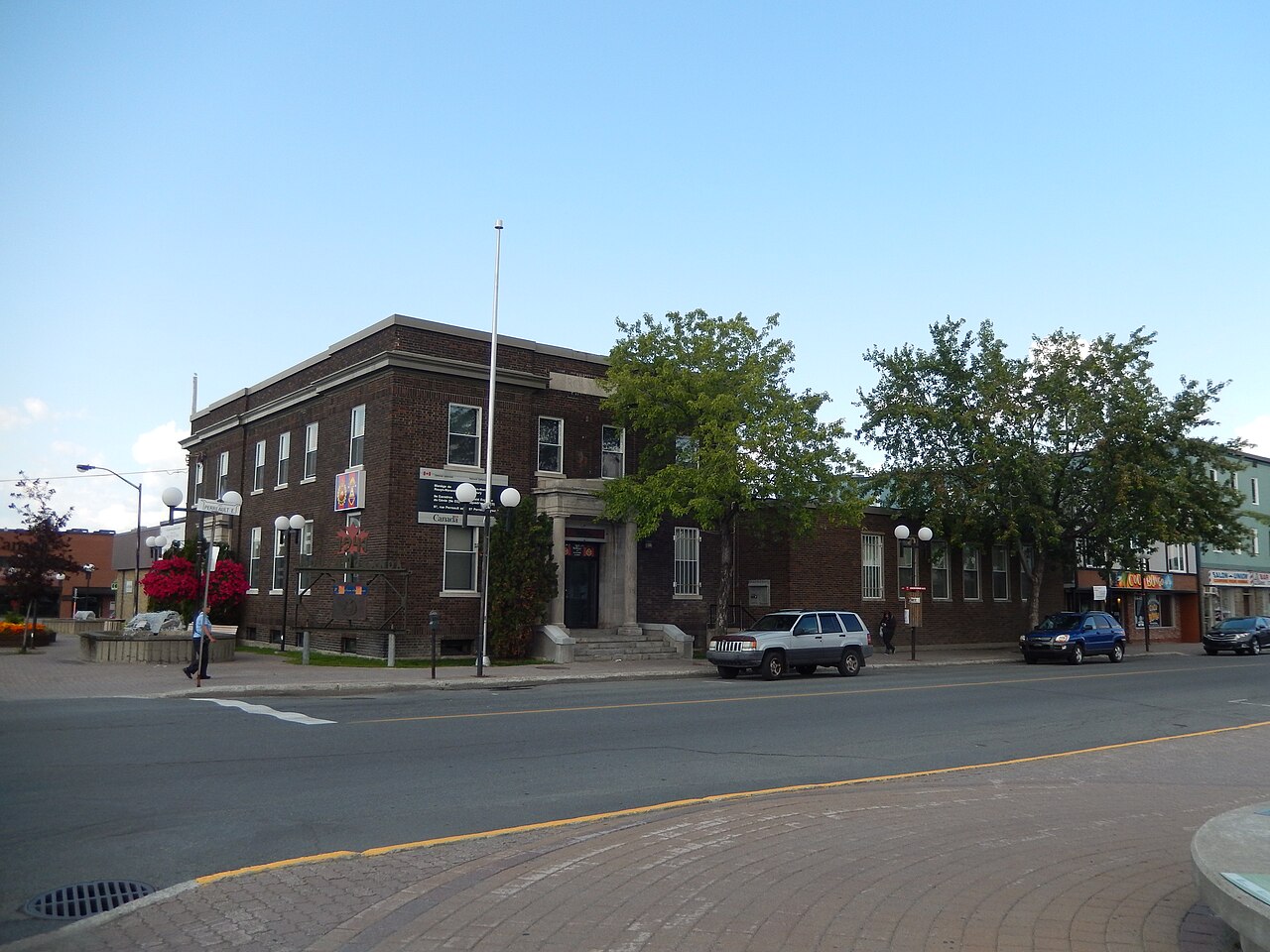
Rouyn-Noranda, Quebec, incorporated as a city in 1986, population 42,313 (2021 census), 42,334 (2016 census). Rouyn-Noranda is the largest centre in the Abitibi-Témiscaming region and its administrative capital.
History
Rouyn-Noranda was formed from the amalgamation of two municipalities in 1986, both of which were established after the discovery of copper and gold deposits at the Noranda mine in the mid-1920s.
Noranda
Noranda was created by Noranda Mines Ltd (later Noranda Inc) in 1926. The town limits were those of the company's mining properties on the west shore of Lac Osisko. At the time, Noranda was considered a model northern mining town.
For many years, Noranda was completely controlled and administered by Noranda Mines, formed in 1922 to exploit one of the richest copper and gold deposits ever found in Canada. The name "Noranda" is a combination of the words "North" and "Canada." The vast mining empire, Noranda Inc, grew from the mine which operated from 1927 to 1966, and its copper smelting plant would become one of the largest in Quebec.
Rouyn
Rouyn is located just south of Noranda on the shore of Lac Osisko. It became a town in 1927 and a city in 1948. Its name honours Jean-Baptiste de Rouyn, a captain in Louis-Joseph de Montcalm's Royal-Rousillon regiment in New France. Rouyn was originally a large mining village inhabited by a mixture of prospectors, miners, adventurers and merchants drawn by the gold rush that erupted in 1922 after discovery of the Noranda mine deposits. It remains a lively city.