Share on Facebook
 Share on X
 Share by Email
 Share on Google Classroom
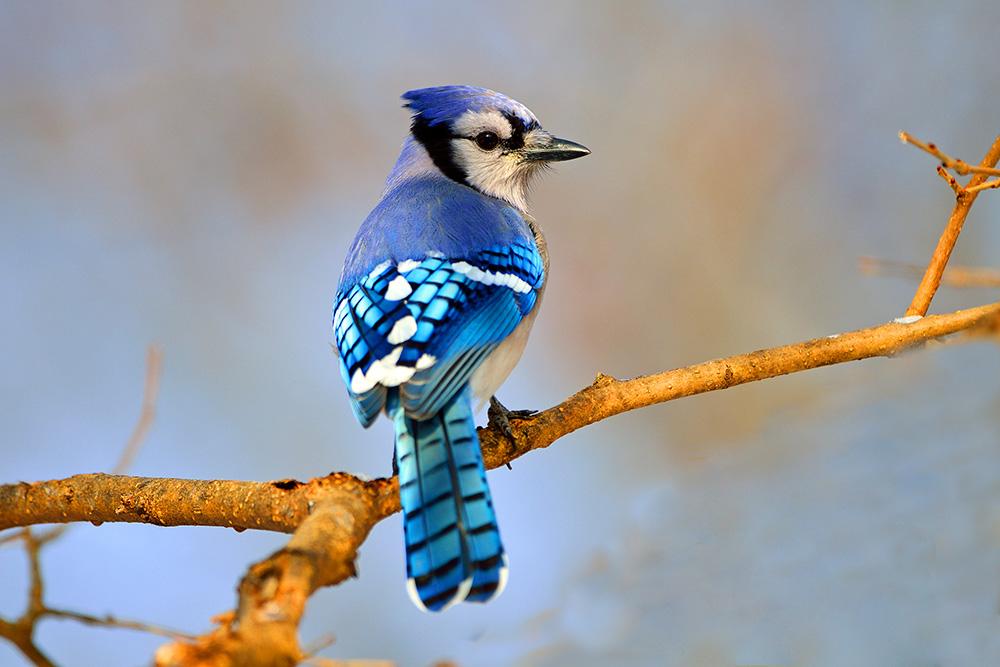
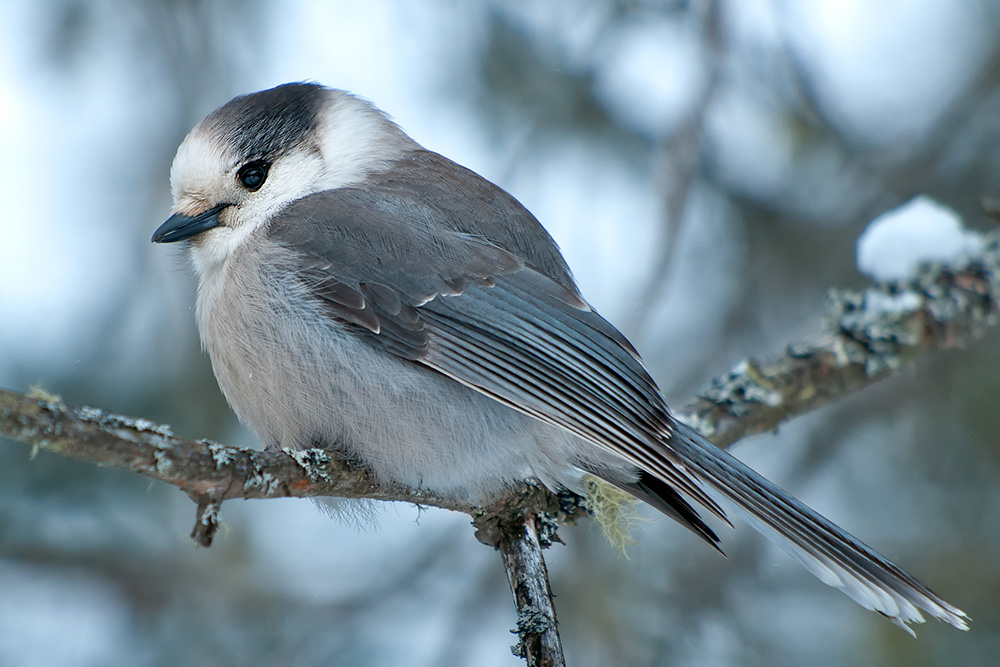
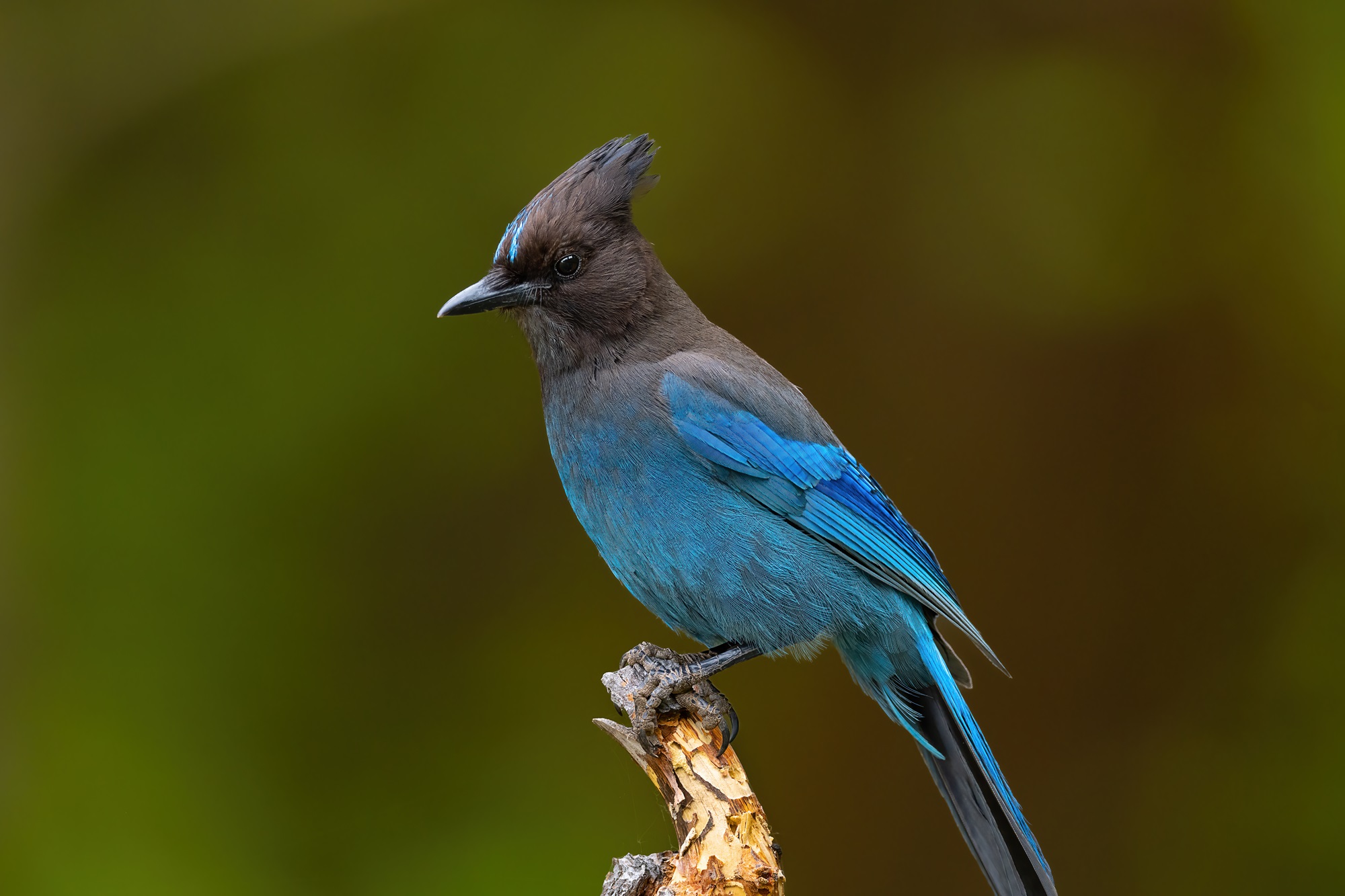
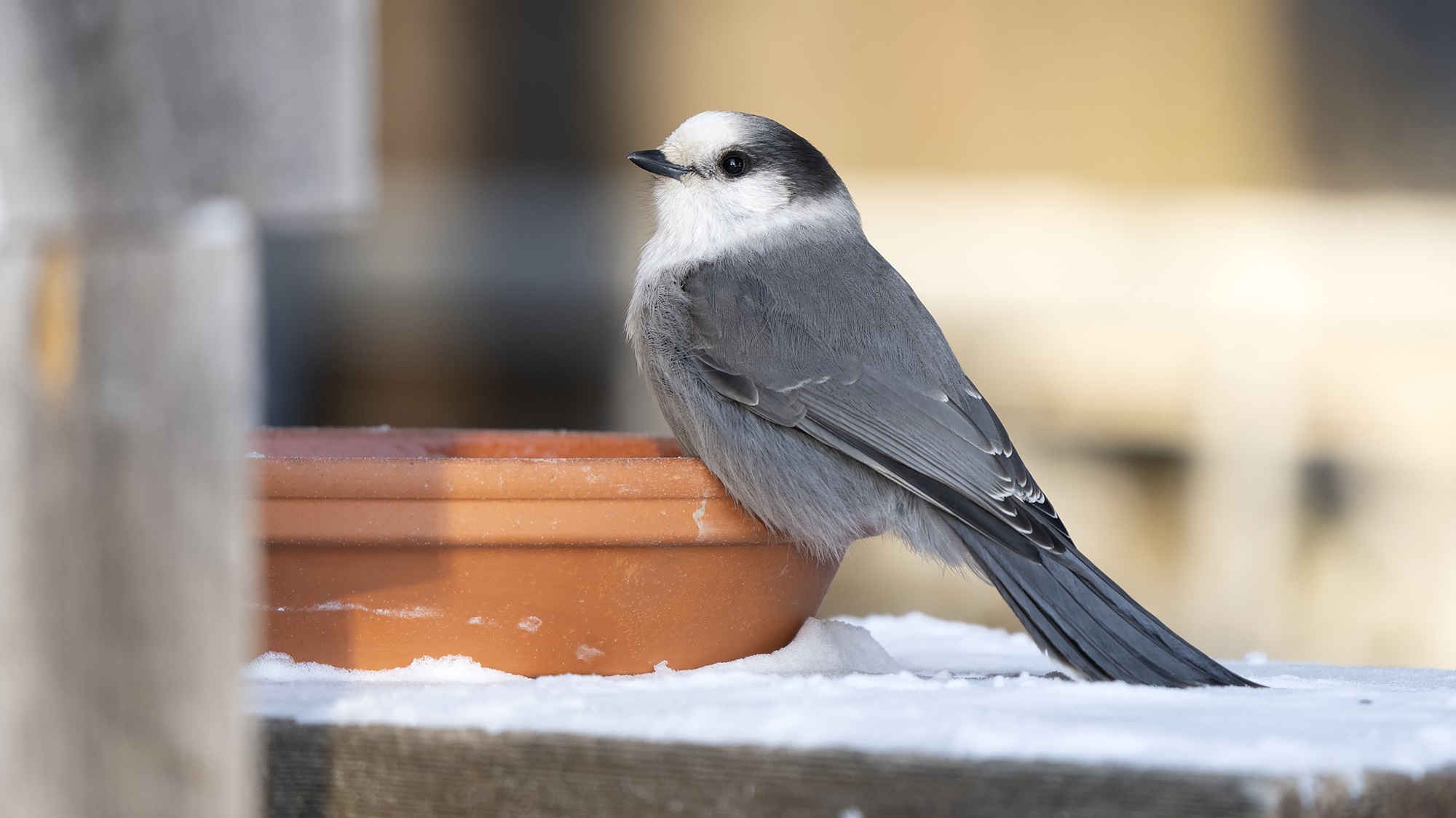
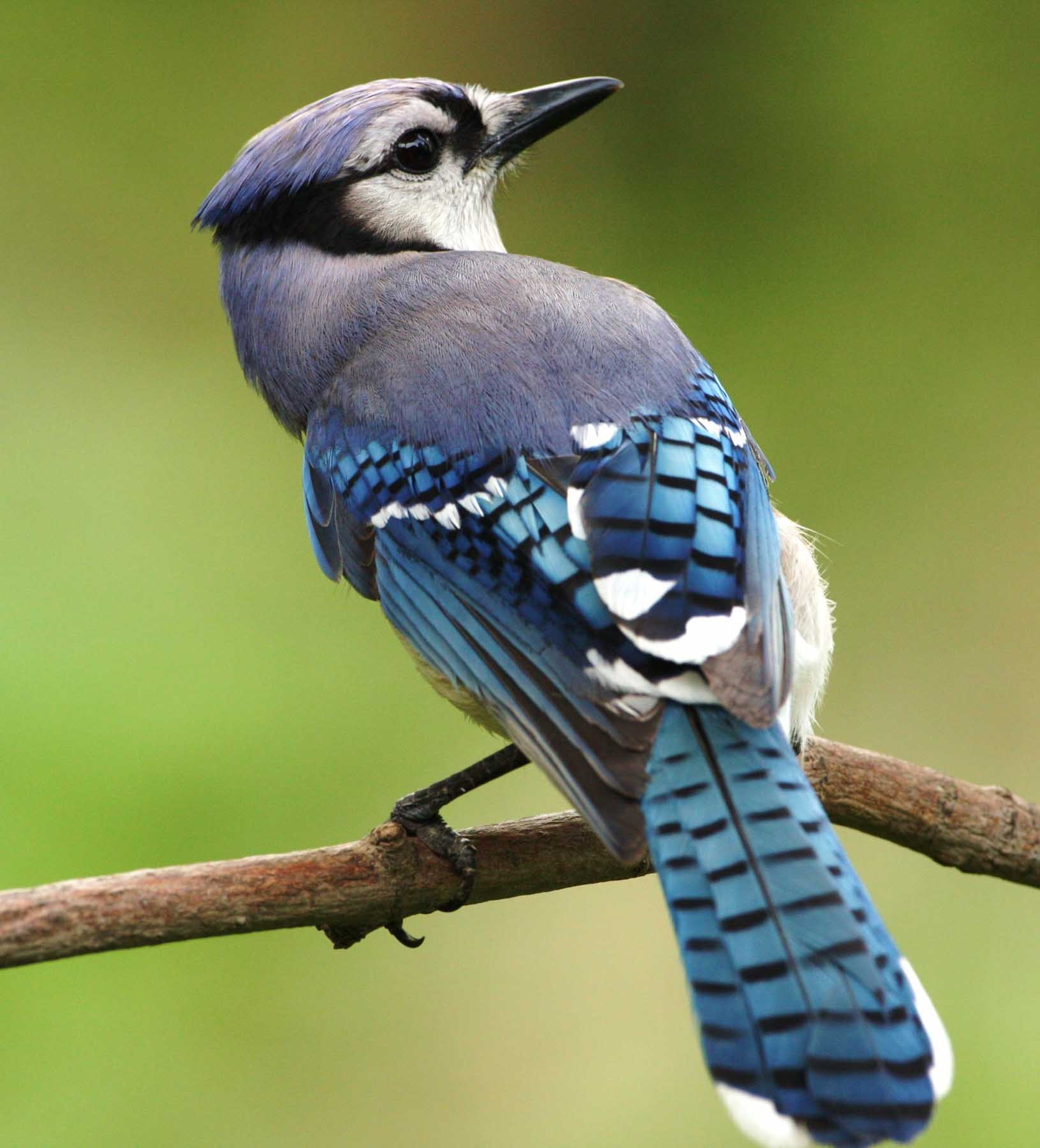
Jay is the common name used for several members of the Corvidae family. In Canada, there are five species of jays, representing two subfamilies and four genera. Blue jays (Cyanocitta cristata), Stellar's jays (Cyanocitta stelleri) and Canada jays (Perisoreus canadensis) are fairly widespread. California scrub-jays (Aphelocoma californica) and pinyon jays (Gymnorhinus cyanocephalus) are rare and only occasionally found in the southernmost part of western Canada.
Description
The jay is a medium-sized bird of the crow family (Corvidae). Many jays have crests and are brightly coloured, often with blue overtones, and can be very vocal.
Distribution and Habitat
Some 42 species are recognized worldwide, five of which live in Canada: blue jay (Cyanocitta cristata), Steller's jay (C. stelleri), grey jay or Canada jay (Perisoreus canadensis), California scrub-jay (Aphelocoma californica) and pinyon jay (Gymnorhinus cyanocephalus). The first three are mainly permanent residents. Grey jays — sometimes called whisky-jacks or Canada jays — breed from the northern Yukon to Newfoundland, but are generally absent from southeastern Alberta, southern Saskatchewan and southwestern Manitoba. Blue jays breed in the central prairie provinces, southward and eastward across Ontario to Newfoundland. Steller's jays are restricted to western and southeastern British Columbia and southwestern Alberta. Hybrids between blue jay and Steller's jay have resulted from the blue jay's recent range expansion westward into BC.
Essentially, jays are woodland birds of coniferous, mixed and deciduous forests. Blue jays are also very common in shade trees in urban areas.
Diet
Jays are omnivorous, feeding on arthropods, various fruits and berries, nuts and small vertebrates, and are noted for storing food in crevices in trees and on the ground, which they may try to conceal. Scientists speculate that this behaviour may be a means of ensuring a constant food reserve throughout the year. To do this, jays are assisted by a particularly acute spatial memory. In addition, grey jays use their sticky saliva to attach food to tree branches, returning to it later on.
Reproduction and Development
Jays tend to nest in conifers and lay two to six eggs at a time, and breed during the summer months.
Symbols
Many jay species are important symbols in Canada. The grey jay or Canada jay is the official bird of Canada. The blue jay is the provincial bird of Prince Edward Island, and the Stellar's jay is the provincial bird of British Columbia.
In 1976, the Toronto baseball team adopted the name "Blue Jays." It is one of three major baseball teams named after birds, alongside the Baltimore Orioles and the St. Louis Cardinals.