Share on Facebook
 Share on X
 Share by Email
 Share on Google Classroom
Insulin is a hormone produced by the pancreas. It helps the body absorb glucose and use it as energy. When someone has diabetes, there is either not enough insulin in the body or the body cannot use the insulin it produces. From between 1921 and 1922, a team at the University of Toronto isolated insulin. This medical breakthrough contributed to the treatment of diabetes and saved lives. (See also The Discovery of Insulin.)
What is Insulin?
Insulin is a peptide protein hormone. It is secreted by the beta cells in the "internal" (hormone) secretory portion as distinct from the "external" (digestive enzyme) secreting portions of the pancreas. It has a molecular weight of 5,800 and is composed of 51 amino acids. The molecule is composed of an A and a B chain connected by two disulfide bridges. The A chain also has its own intra-chain disulfide bridge. One milligram equals 24 international units. When insulin is released into the blood, the liver retains 40-60 per cent of it. The liver is also the major site for insulin degradation. The synthesis and release of insulin is regulated by a moment-to-moment relationship between concentrations in body fluids of substances such as glucose, amino acids and hormones and receptors on beta cells, and by the activities of the sympathetic nervous system. Among the former substances, glucose is the principal stimulant and among the latter activities epinephrine is the principal inhibitor.
Insulin is the most potent hormone of fuel storage, affecting carbohydrate, fat and protein throughout the body. Acting through binding to receptors on cell membranes, the principal targets of insulin are in liver, fat and muscle. Concentrations of glucose, free fatty acids and amino acids decrease in the circulation as a result of augmented insulin action, and fuels are thus stored. The breakdown of these fuels (catabolism) and the release of their breakdown products into the circulation are inhibited and tissue growth is facilitated by augmented insulin action.
During exercise, when there is need for fuel mobilization for the requirements of contracting muscles, there is co-ordinated inhibition of insulin release in association with the release of counter-regulatory hormones such as epinephrine, glucagon, cortisol and growth hormone.
Insulin Used for Diabetes Treatment

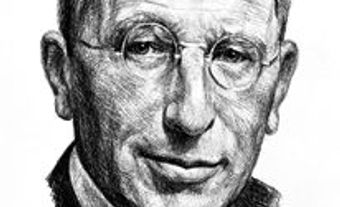
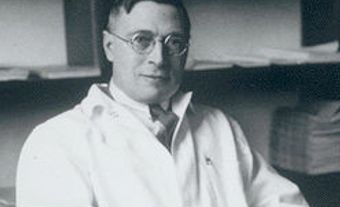
Insulin has been made available for treatment of diabetes mellitus, commonly referred to as diabetes, by extraction from beef and pork pancreatic islets since the discoveries of Frederick Banting, Charles Herbert Best, John James Rickard Macleod, James Bertram Collip in 1921-22. (See also The Discovery of Insulin). Through genetic engineering, biosynthetic human insulin has become available. It has replaced the previously supplied animal-source insulins.