
Browse "Places"
-
Article
Fort Smith
Fort Smith, NWT, incorporated as a town in 1966, population 2093 (2011c), 2364 (2006c). The Town of Fort Smith is located on the southwest bank of the SLAVE RIVER near the Alberta-NWT border, 724 air km north of Edmonton.
"https://d3d0lqu00lnqvz.cloudfront.net/media/media/31cb923e-e098-4941-94b4-9c55de5740ae.jpg" // resources/views/front/categories/view.blade.php
https://d3d0lqu00lnqvz.cloudfront.net/media/media/31cb923e-e098-4941-94b4-9c55de5740ae.jpg
-
Article
Fort St James
Fort St James, BC, incorporated as a village in 1952 and as a district municipality in 1995, population 1691 (2011c), 1350 (2006c). The District of Fort St James is located in central British Columbia on the southeast shore of Stuart Lake, 50 km north of VANDERHOOF.
"https://thecanadianencyclopedia.ca/images/tce_placeholder.jpg?v=e9dca980c9bdb3aa11e832e7ea94f5d9" // resources/views/front/categories/view.blade.php
https://thecanadianencyclopedia.ca/images/tce_placeholder.jpg?v=e9dca980c9bdb3aa11e832e7ea94f5d9
-
Article
Fort St John
Fort St John, BC, incorporated as a city in 1975, population 18 609 (2011c), 17 402 (2006c). The City of Fort St John is located in northeastern British Columbia, about 459 km north of PRINCE GEORGE.
"https://d3d0lqu00lnqvz.cloudfront.net/media/media/3584e5a8-6945-4d72-9f70-ffab17a6c121.jpg" // resources/views/front/categories/view.blade.php
https://d3d0lqu00lnqvz.cloudfront.net/media/media/3584e5a8-6945-4d72-9f70-ffab17a6c121.jpg
-
Article
Fort St Joseph National Historic Site of Canada
Fort St Joseph National Historic Site, near Sault Ste Marie, Ont, was designated by the Historic Sites and Monuments Board of Canada in 1923 to recognize Fort St Joseph's significance as the most westerly British post and for its importance to the fur trade and to the alliances with First Nations.
"https://thecanadianencyclopedia.ca/images/tce_placeholder.jpg?v=e9dca980c9bdb3aa11e832e7ea94f5d9" // resources/views/front/categories/view.blade.php
https://thecanadianencyclopedia.ca/images/tce_placeholder.jpg?v=e9dca980c9bdb3aa11e832e7ea94f5d9
-
Article
Fort Steele
From 1892 to the present, mining (gold, lead, zinc and silver) has been an important part of the economic development of the immediate region. The construction of the BC Southern Railway to Cranbrook in 1898 sealed the fate of Fort Steele, which quickly faded.
"https://d3d0lqu00lnqvz.cloudfront.net/media/media/a64c2753-6c2c-4abe-a75b-d9e9202495e4.jpg" // resources/views/front/categories/view.blade.php
https://d3d0lqu00lnqvz.cloudfront.net/media/media/a64c2753-6c2c-4abe-a75b-d9e9202495e4.jpg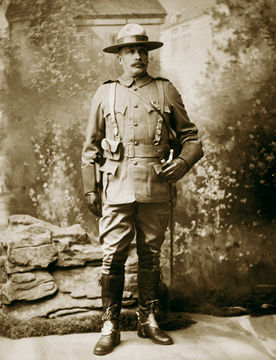
-
Article
Fort Carillon (Ticonderoga)
Fort Carillon was built in 1755 on the orders of the governor of New France, Pierre de Rigaud de Vaudreuil. Situated at the junction of Lake George and Lake Champlain, the fort was intended to reinforce France's military presence in an area contested by the British colonies. In 1759, Fort Carillon was abandoned by the French and renamed Fort Ticonderoga by the British. (See Seven Years’ War.) Fort Ticonderoga later played a decisive role in the American Revolution. Since 1909, this historic site has been open to the public.
"https://d3d0lqu00lnqvz.cloudfront.net/Fort_Ticonderoga_Ticonderoga_NY.jpg" // resources/views/front/categories/view.blade.php
https://d3d0lqu00lnqvz.cloudfront.net/Fort_Ticonderoga_Ticonderoga_NY.jpg
-
Article
Fort Toulouse and Port Toulouse
The village of Port Toulouse and its fort are situated in St. Peter's, Cape Breton, Nova Scotia.
"https://d3d0lqu00lnqvz.cloudfront.net/media/media/02cde42e-b8fa-42bb-a0c6-fcbc67f53b8a.jpg" // resources/views/front/categories/view.blade.php
https://d3d0lqu00lnqvz.cloudfront.net/media/media/02cde42e-b8fa-42bb-a0c6-fcbc67f53b8a.jpg
-
Article
Fort Vancouver
Fort Vancouver, a Hudson’s Bay Company fur trade post, was originally constructed in 1825 by doctor and merchant John McLoughlin. The Oregon Treaty of 1846, which placed the fort in American territory, forced the company to transfer its depot to Fort Victoria in 1849.
"https://d3d0lqu00lnqvz.cloudfront.net/media/media/8995b1e1-60ec-48e0-8b23-d944da85cc4d.jpg" // resources/views/front/categories/view.blade.php
https://d3d0lqu00lnqvz.cloudfront.net/media/media/8995b1e1-60ec-48e0-8b23-d944da85cc4d.jpg
-
Article
Fort Vermilion
Fort Vermilion, Alta, Unincorporated Place, population 727 (2011c), 714 (2006c). Fort Vermilion is located about 70 km east of HIGH LEVEL and is one of the communities of Mackenzie County. The name Fort Vermilion refers to the red ochre found in the area.
"https://d3d0lqu00lnqvz.cloudfront.net/media/media/7b54f899-613a-4dce-8a8b-8e0971b7f4fa.jpg" // resources/views/front/categories/view.blade.php
https://d3d0lqu00lnqvz.cloudfront.net/media/media/7b54f899-613a-4dce-8a8b-8e0971b7f4fa.jpg
-
Article
Fort Victoria
Fort Victoria was a fur trade post established in 1843 by Hudson’s Bay Company chief factor Sir James Douglas, who also served as its second governor (1858–62) and would eventually be known as the “Father of British Columbia”. The Fraser River Gold Rush of 1858 led to the rapid development of the townsite. In 1862, Victoria – the province’s capital – was incorporated as a city and the last of Fort Victoria was fully dismantled. In 1924 Fort Victoria was designated a National Historic Site of Canada.
"https://d3d0lqu00lnqvz.cloudfront.net/1280px-Fort_Victoria_National_Historic_Site_of_Canada-_Victoria-_British_Columbia-_Canada_03.jpg" // resources/views/front/categories/view.blade.php
https://d3d0lqu00lnqvz.cloudfront.net/1280px-Fort_Victoria_National_Historic_Site_of_Canada-_Victoria-_British_Columbia-_Canada_03.jpg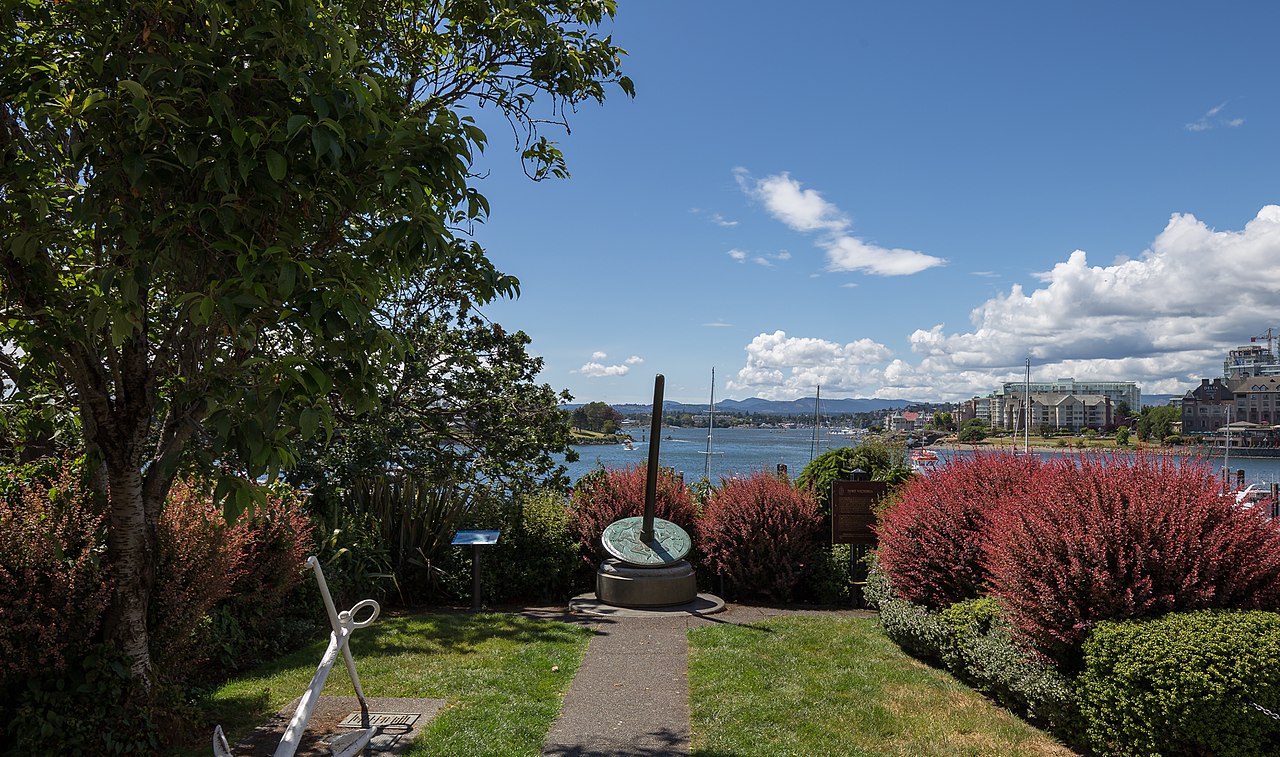
-
Article
Fort Walsh
Following the defeat of General George Custer (1876), the Mounted Police centered at Fort Walsh were called upon to mediate with refugee Sioux who had followed Chief Sitting Bull across the US border, thereby creating an international incident.
"https://d3d0lqu00lnqvz.cloudfront.net/media/media/373496e0-cdc1-491d-9c6b-db6916a22a9f.jpg" // resources/views/front/categories/view.blade.php
https://d3d0lqu00lnqvz.cloudfront.net/media/media/373496e0-cdc1-491d-9c6b-db6916a22a9f.jpg
-
Article
Fort Wellington National Historic Site of Canada
Fort Wellington National Historic Site, designated in 1920, was one of the first historic sites in Canada to receive national recognition of its historical importance.
"https://d3d0lqu00lnqvz.cloudfront.net/Fort_Wellington-_Prescott.jpg" // resources/views/front/categories/view.blade.php
https://d3d0lqu00lnqvz.cloudfront.net/Fort_Wellington-_Prescott.jpg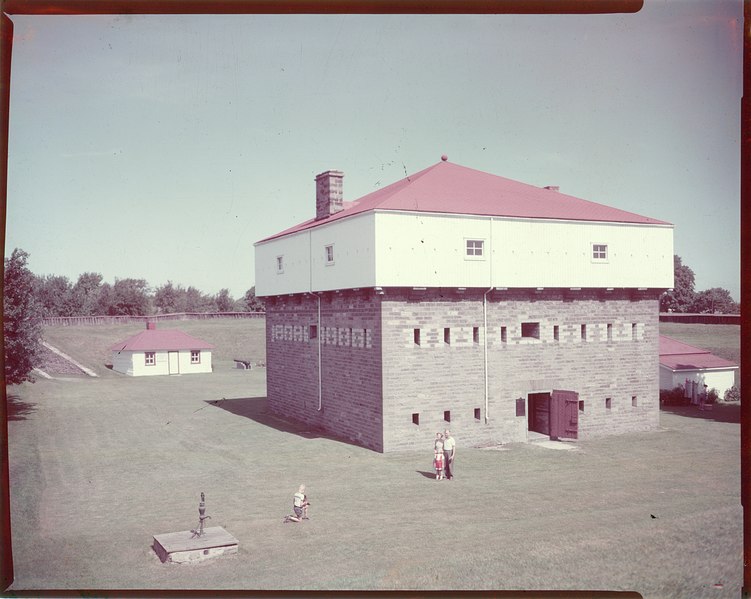
-
Article
Fort Whoop-Up
Fort Whoop-Up, situated at the junction of the Belly (now Oldman) and St Mary rivers, near present-day Lethbridge, Alberta, was established in 1869 by John J. Healy and Alfred B. Hamilton of Montana.
"https://thecanadianencyclopedia.ca/images/tce_placeholder.jpg?v=e9dca980c9bdb3aa11e832e7ea94f5d9" // resources/views/front/categories/view.blade.php
https://thecanadianencyclopedia.ca/images/tce_placeholder.jpg?v=e9dca980c9bdb3aa11e832e7ea94f5d9
-
Article
Fort William
Fort William, named after North West Company (NWC) chief superintendent William McGillivray, was originally a depot built in 1803 by the NWC to facilitate fur trade dealings. The company’s reliance on Fort William after merging with the Hudson’s Bay Company eventually decreased, and the fort became a post and fishing spot until its closure in 1883. By 1902, the Fort William’s last remaining buildings were completely demolished in the expansion of the Canadian Pacific Railway’s facilities. In 1971, the government of Ontario recreated Fort William at Pointe de Meuron in Thunder Bay under the name Fort William Historical Park.
"https://d3d0lqu00lnqvz.cloudfront.net/media/media/7b13aa86-dd8f-4056-b650-3839e00b77e9.jpg" // resources/views/front/categories/view.blade.php
https://d3d0lqu00lnqvz.cloudfront.net/media/media/7b13aa86-dd8f-4056-b650-3839e00b77e9.jpg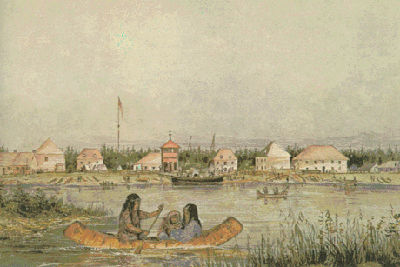
-
Article
Fort York National Historic Site
The Fort York National Historic Site commemorates several British military installations which guarded the entrance to Toronto Harbour.
"https://d3d0lqu00lnqvz.cloudfront.net/media/media/a55f0fd3-041e-4936-ac4d-11d232bbdf0e.jpg" // resources/views/front/categories/view.blade.php
https://d3d0lqu00lnqvz.cloudfront.net/media/media/a55f0fd3-041e-4936-ac4d-11d232bbdf0e.jpg