
Browse "Communities & Sociology"
-
Article
Wendat (Huron)
The Wendat (also known as Huron-Wendat) are an Iroquoian-speaking nation that have occupied the St. Lawrence Valley and estuary to the Great Lakes region. “Huron” was a nickname given to the Wendat by the French. It means “boar’s head” from the hairstyle of Wendat men, or “lout” and “ruffian” in old French. Their confederacy name was Wendat (Ouendat) meaning “island dwellers.” During the fur trade, the Wendat were allies of the French and enemies of the Haudenosaunee. Following a series of 17th century armed conflicts, the Wendat were dispersed by the Haudenosaunee in 1650. However, the Wendat nation (Nation Huronne-Wendat) still remains, and is located in Wendake, Quebec. According to the 2021 census, 6,980 people claimed Wendat ancestry.
"https://d3d0lqu00lnqvz.cloudfront.net/media/media/a43e1780-4228-4ae0-9f38-d3b41d7d0a69.jpg" // resources/views/front/categories/view.blade.php
https://d3d0lqu00lnqvz.cloudfront.net/media/media/a43e1780-4228-4ae0-9f38-d3b41d7d0a69.jpg
-
Article
Hutterites in Canada
Hutterites are one of three major Christian Anabaptist sectarian groups (the others are the Mennonites and the Amish) surviving today. They are the only group to strongly insist on the communal form of existence. The 2016 census recorded 370 Hutterite colonies in Canada. The total population living in Hutterite colonies was 35,010 people, with the majority located in Alberta (16, 935), Manitoba (11, 275), and Saskatchewan (6250).
"https://d3d0lqu00lnqvz.cloudfront.net/media/media/d75614d3-b77f-42d1-b586-92c91c939838.jpg" // resources/views/front/categories/view.blade.php
https://d3d0lqu00lnqvz.cloudfront.net/media/media/d75614d3-b77f-42d1-b586-92c91c939838.jpg
-
Article
Huu-ay-aht
The Huu-ay-aht First Nation, located along the west coast of Vancouver Island, British Columbia, numbers 730 registered members, as of February 2026. The Huu-ay-aht are a Nuu-chah-nulth nation and are self-governing under the Maa-nulth Treaty.
"https://d3d0lqu00lnqvz.cloudfront.net/media/media/4013e0fd-5d11-404f-9758-747fc9757c55.jpg" // resources/views/front/categories/view.blade.php
https://d3d0lqu00lnqvz.cloudfront.net/media/media/4013e0fd-5d11-404f-9758-747fc9757c55.jpg
-
Article
Icelandic Canadians
Icelanders, coming by way of Greenland, were the first European visitors to what is now Canada. The 2016 Canadian census reported 101,795 people with Icelandic ethnic origins, and 1440 people whose mother tongue was Icelandic.
"https://d3d0lqu00lnqvz.cloudfront.net/media/media/e5306bc4-eda1-4f7a-84ff-f5f82f681784.jpg" // resources/views/front/categories/view.blade.php
https://d3d0lqu00lnqvz.cloudfront.net/media/media/e5306bc4-eda1-4f7a-84ff-f5f82f681784.jpg
-
Article
Idle No More
With roots in the Indigenous community, Idle No More began in November 2012 as a protest against the introduction of Bill C-45 by Stephen Harper’s Conservative government. Formally known as the Jobs and Growth Act, this omnibus legislation affected over 60 acts, including the Indian Act, Navigable Waters Protection Act and Environmental Assessment Act. Idle No More activists argued that the Act’s changes diminished the rights and authority of Indigenous communities while making it easier for governments and businesses to push through projects without strict environmental assessment. The movement quickly gained supporters from across Canada (and abroad), and grew to encompass environmental concerns and Indigenous rights more generally. This article is a full-length entry about Idle No More. For a plain-language summary, please see Idle No More (Plain-Language Summary).
"https://d3d0lqu00lnqvz.cloudfront.net/media/media/00339332-5ac9-4b3b-8578-b7200b7db6fc.jpg" // resources/views/front/categories/view.blade.php
https://d3d0lqu00lnqvz.cloudfront.net/media/media/00339332-5ac9-4b3b-8578-b7200b7db6fc.jpg
-
Article
Idle No More (Plain-Language Summary)
Idle No More is a protest movement that started in November 2012. It started as a protest against Bill C-45. This Bill covered many things. The activists argued that the Bill was bad for Indigenous communities and the environment. The movement quickly gained many supporters. This article is a plain-language summary of Idle No More. If you are interested in reading about this topic more in depth, please see our full-length entry, Idle No More.
"https://d3d0lqu00lnqvz.cloudfront.net/media/media/00339332-5ac9-4b3b-8578-b7200b7db6fc.jpg" // resources/views/front/categories/view.blade.php
https://d3d0lqu00lnqvz.cloudfront.net/media/media/00339332-5ac9-4b3b-8578-b7200b7db6fc.jpg
-
Article
Ignace Bourget
Lartigue recommended Bourget to Rome and on 25 July 1837 Bourget was installed as his coadjutor with right of succession, which took effect at Lartigue's death on 19 April 1840.
"https://thecanadianencyclopedia.ca/images/tce_placeholder.jpg?v=e9dca980c9bdb3aa11e832e7ea94f5d9" // resources/views/front/categories/view.blade.php
https://thecanadianencyclopedia.ca/images/tce_placeholder.jpg?v=e9dca980c9bdb3aa11e832e7ea94f5d9
-
Article
Economic Immigration to Canada
Canada’s current and future prosperity depends on recruiting immigrants. Newcomers fill gaps in the Canadian workforce, build or start businesses and invest in the Canadian economy. Economic immigrants include employees as well as employers. They mostly become permanent residents when they immigrate to Canada. Not included in this class are the many temporary foreign workers who contribute to Canada’s economy. (See also Immigration to Canada.) Economic immigrants bring talent, innovation, family members and financial investments to Canada. They also enrich the country’s culture, heritage and opportunities. Technological progress, productivity and economic growth all benefit from these newcomers. Studies show that they have little to no negative impacts on wages for other workers in the country. According to the 2021 census, 1.3 million immigrants settled in Canada between 2016 and 2021. The census identified 748,120 of the total 1.3 million living in Canada as economic immigrants.
"https://d3d0lqu00lnqvz.cloudfront.net/media/new_article_images/EconomicImmigration/permanent_residence.jpg" // resources/views/front/categories/view.blade.php
https://d3d0lqu00lnqvz.cloudfront.net/media/new_article_images/EconomicImmigration/permanent_residence.jpg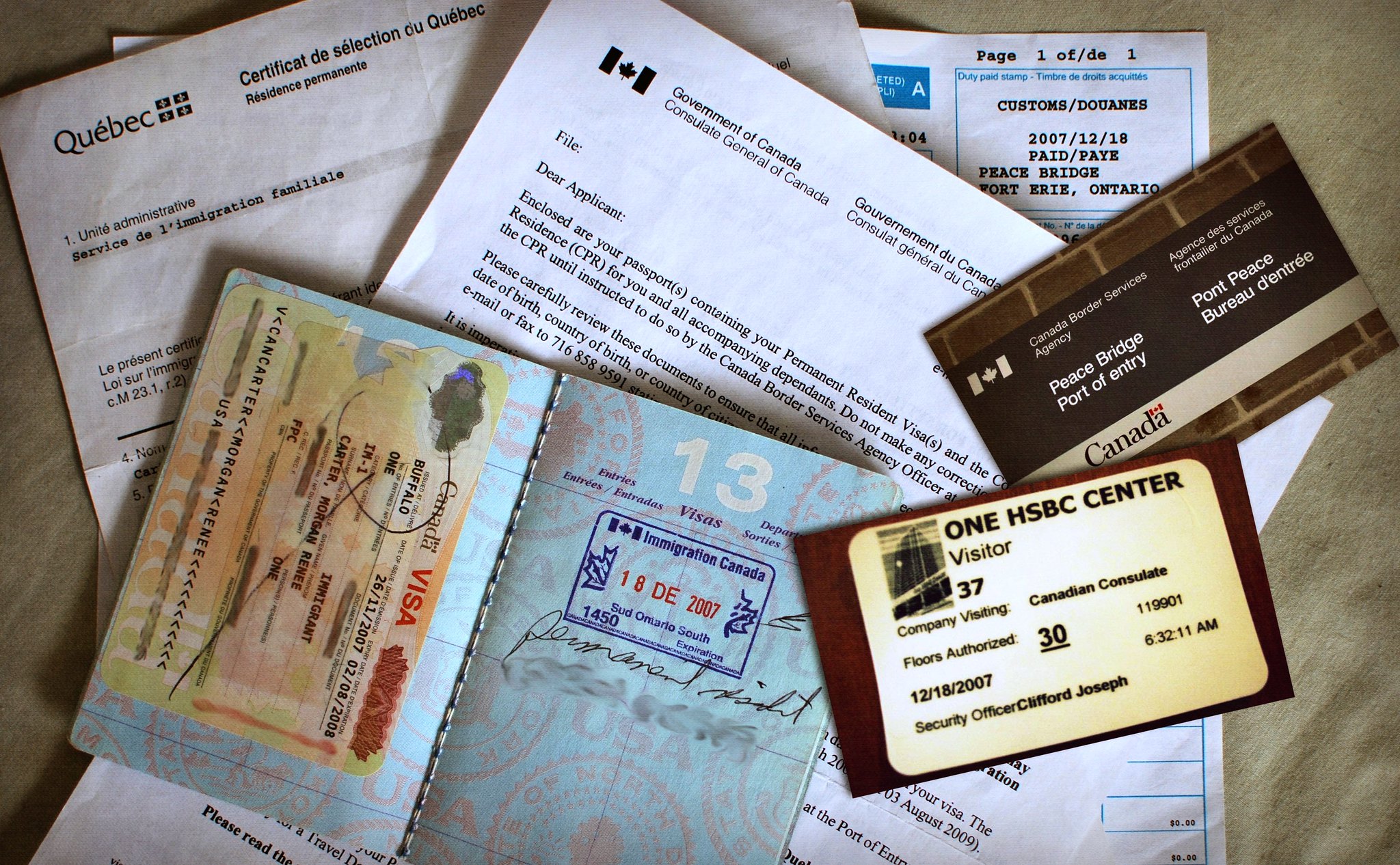
-
Article
Immigration Policy in Canada
Immigration policy is the way the government controls via laws and regulations who gets to come and settle in Canada. Since Confederation, immigration policy has been tailored to grow the population, settle the land, and provide labour and financial capital for the economy. Immigration policy also tends to reflect the racial attitudes or national security concerns of the time which has also led to discriminatory restrictions on certain migrant groups. (See also Canadian Refugee Policy.) (This is the full-length article on immigration policy in Canada. If you wish to read a plain-language summary, please see Immigration Policy in Canada (Plain-Language Summary).)
"https://d3d0lqu00lnqvz.cloudfront.net/media/media/81825b51-3f5c-4e72-bede-2c04ad6326b1.jpg" // resources/views/front/categories/view.blade.php
https://d3d0lqu00lnqvz.cloudfront.net/media/media/81825b51-3f5c-4e72-bede-2c04ad6326b1.jpg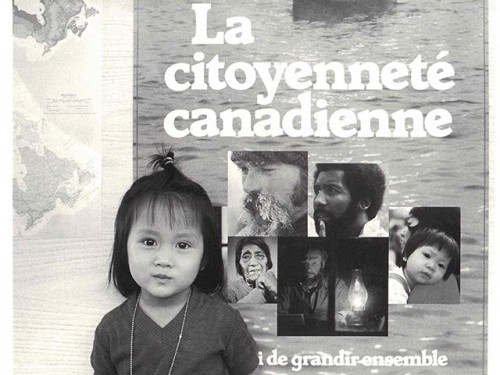
-
Macleans
Impending Same-Sex Marriage Legislation
IT'S NOT THE kind of crowd given to chants, placards, or burning brands. Greying, neatly pressed, well-mannered, they line up patiently at the open microphone.
"https://thecanadianencyclopedia.ca/images/tce_placeholder.jpg?v=e9dca980c9bdb3aa11e832e7ea94f5d9" // resources/views/front/categories/view.blade.php
https://thecanadianencyclopedia.ca/images/tce_placeholder.jpg?v=e9dca980c9bdb3aa11e832e7ea94f5d9
-
Article
Indian Status
Indian Status is a legal identity defined by the Indian Act. It applies to some Indigenous peoples in Canada. People with status, known as Status Indians (or Registered Indians), fit the criteria for status as laid out in the Act. The terms of status — including who is considered Indian under the law — have changed over time. Outside legal contexts, Indian is a term that is now considered outdated and offensive.
"https://d3d0lqu00lnqvz.cloudfront.net/media/media/174cee51-4aca-4a67-ac60-f72697d35862.jpg" // resources/views/front/categories/view.blade.php
https://d3d0lqu00lnqvz.cloudfront.net/media/media/174cee51-4aca-4a67-ac60-f72697d35862.jpg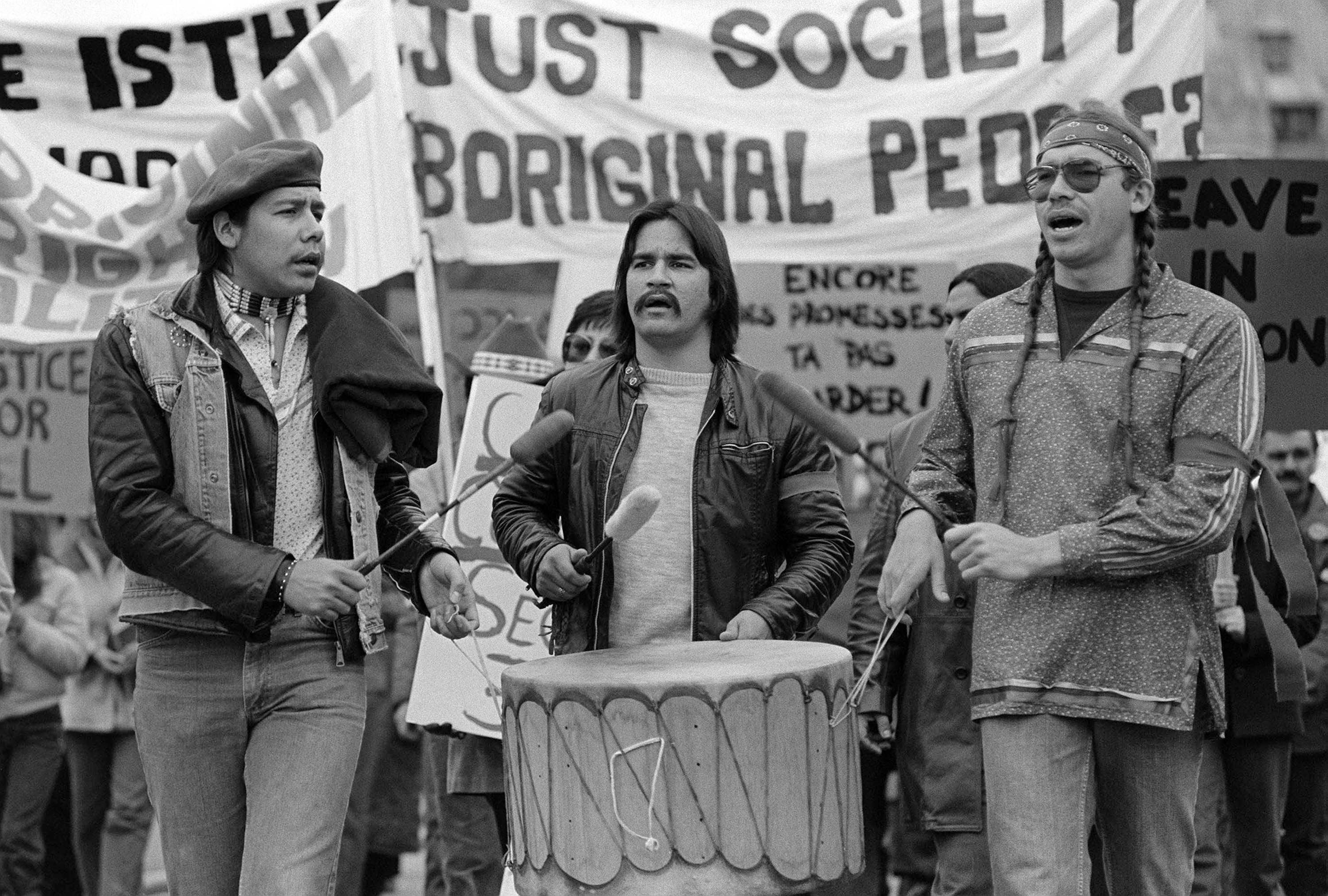
-
Article
Indian
The term Indian, when used to identify Indigenous peoples in South, Central and North America, is considered outdated and offensive. In Canada, the term has been used historically to refer to Indigenous peoples, but it also has modern legal significance. It is used to refer to legally defined identities set out in the Indian Act, such as Indian Status. For some Indigenous peoples, the term Indian confirms their ancestry and protects their historic relationship to the Crown and federal government. For others, the definitions set out in the Indian Act are not affirmations of their identity. (The term Indian in the context of this article does not refer to Indian people of South Asia. For more information on people of that community, please see South Asian Canadians.)
"https://d3d0lqu00lnqvz.cloudfront.net/media/media/174cee51-4aca-4a67-ac60-f72697d35862.jpg" // resources/views/front/categories/view.blade.php
https://d3d0lqu00lnqvz.cloudfront.net/media/media/174cee51-4aca-4a67-ac60-f72697d35862.jpg
-
List
Indigenous Women Activists in Canada
An activist is someone who works to bring about social or political change. Many Indigenous people in Canada have been at the forefront of movements that concern issues like the environment, Indigenous and treaty rights, equal access to education and health care, the rights of women and children, and more. Indigenous women have taken up causes that affect their families and communities. This article names some of the many Indigenous women activists in Canada who have effectively championed important causes. (See also Indigenous Women’s Issues in Canada.)
"https://d3d0lqu00lnqvz.cloudfront.net/media/media/a28fc4c4-7840-4edc-ad7e-7bee27a74e64.jpg" // resources/views/front/categories/view.blade.php
https://d3d0lqu00lnqvz.cloudfront.net/media/media/a28fc4c4-7840-4edc-ad7e-7bee27a74e64.jpg
-
Article
Indigenous Elders in Canada
Elders are respected individuals who play key roles in Indigenous communities. They are important knowledge keepers, and they also help to ensure cultural continuity. As living connections to the past, Elders serve as teachers, healers, advisors and counsellors. Elder knowledge is culturally specific, meaning Anishinaabeg teachings, for example, are not necessarily Haudenosaunee teachings. However, Elders share some commonalities; for instance, spirituality and tradition shape their lives as well as the guidance they provide to others.
"https://d3d0lqu00lnqvz.cloudfront.net/elder2-1.jpg" // resources/views/front/categories/view.blade.php
https://d3d0lqu00lnqvz.cloudfront.net/elder2-1.jpg
-
Article
Indigenous Language Revitalization in Canada
Before European settlement in Canada, Indigenous peoples spoke a wide variety of languages. As a means of assimilating Indigenous peoples, colonial policies like the Indian Act and residential schools forbade the speaking of Indigenous languages. These restrictions have led to the ongoing endangerment of Indigenous languages in Canada. Indigenous communities and various educational institutions have taken measures to prevent more language loss and to preserve Indigenous languages.
"https://d3d0lqu00lnqvz.cloudfront.net/media/media/b6607b22-8c55-4f10-86dd-a72dfcb1b740.jpg" // resources/views/front/categories/view.blade.php
https://d3d0lqu00lnqvz.cloudfront.net/media/media/b6607b22-8c55-4f10-86dd-a72dfcb1b740.jpg